Georgia is one of the world’s earliest cheese-producing regions, with archaeological evidence suggesting that dairy cultures existed there more than 7,000 years ago. Among its many regional varieties, Imeruli cheese (Imeretian cheese) stands as the most widespread, beloved, and essential ingredient in Georgian cuisine.
Soft, pleasantly salty, mildly tangy, and endlessly versatile, Imeruli is not just food—it is heritage. Travelers often first encounter it inside the famous Georgian bread known as khachapuri, but locals enjoy it daily in fresh salads, breakfast spreads, and countryside feasts.
This guide explores how Imeruli cheese is made, its historic roots, flavour profile, iconic dishes, and why it remains the soul of Georgian dairy tradition.
🇬🇪 What Is Imeruli Cheese?
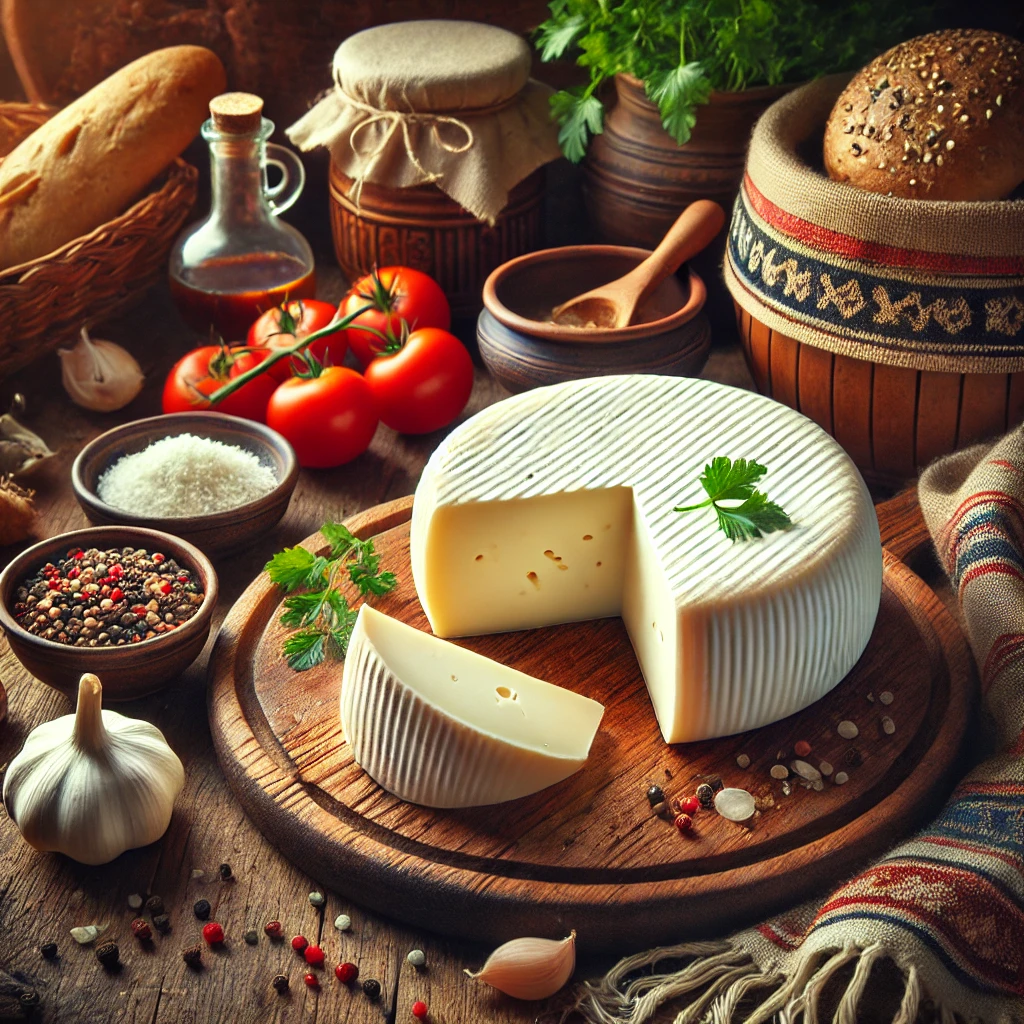
Imeruli (or Imeretian) cheese originates from Imereti, a lush region of western Georgia known for its fertile soils, vineyards, and pastoral lifestyle. It is a fresh, white brined cheese, typically made from:
-
Cow’s milk (traditional)
-
Goat milk
-
Sheep milk
-
Or occasionally a blend
Key Characteristics
| Feature | Description |
|---|---|
| Texture | Soft, springy, moist |
| Taste | Mild, savoury, lightly salty |
| Colour | White to pale cream |
| Aroma | Fresh, milky, clean |
| Salt Level | Moderate (varies by ripening time) |
Imeruli is considered Georgia’s baseline cheese—simple, pure, and foundational.
🧂 How Imeruli Cheese Is Made
Despite its humble appearance, Imeruli requires meticulous craftsmanship:
1. Fresh Milk Collection
Farmers use morning cow’s milk from free-grazing herds.
2. Natural Coagulation
Milk is warmed and coagulated using rennet or traditional cultures.
3. Curd Cutting & Pressing
Curds are drained and pressed lightly, retaining moisture.
4. Brining
Salt water brine provides:
-
Preservation
-
Mild salinity
-
Fresh, elastic bite
5. Short Maturation
Ripening time varies:
-
Fresh Imeruli: 1–3 days (mildest taste)
-
Semi-ripe (aged): 7–10 days (saltier, firmer)
Unlike aged cheeses, Imeruli is meant to stay soft, bright, and young.
🧀 Imeruli Flavour Profile
Imeruli is intentionally simple—its beauty lies in its clean dairy taste.
Flavour Notes:
-
Fresh milk sweetness
-
Gentle tang
-
Light salt
-
Creamy but not fatty
-
Soft, tender finish
Where Sulguni (another Georgian classic) is stretch-curd and elastic, Imeruli is more crumbly-soft while still sliceable.
🌿 Imeruli Cheese in Georgian Cuisine
Although eaten daily, Imeruli becomes legendary when baked into khachapuri, Georgia’s most iconic cheese bread.
🔥 Imeruli Khachapuri (Classic)
This is the standard version of the dish:
-
Cheese is crumbled or grated
-
Mixed with salted butter or egg
-
Stuffed between two soft dough layers
-
Baked to golden perfection
Imeruli khachapuri is:
-
Less rich than Adjaruli (egg-boat style)
-
More balanced, airy, and traditional
🧈 Other Uses:
-
Simple cheese plates with herbs
-
Melted inside flaky pastries
-
Crumbled over salads with tomatoes and cucumbers
-
Paired with walnuts, grapes, tarragon, and wine
It is cheese that tastes like a village table on a sunny Georgian afternoon.
🍇 Wine Pairings
Georgia is one of the oldest wine cultures on earth, and pairing Imeruli with local wines is natural.
Best Matches:
-
Tsinandali (dry white, floral)
-
Rkatsiteli (crisp, mineral)
-
Tsolikouri (Imereti native grape)
-
Kisi (aromatic amber wine)
The cheese’s softness meets perfectly with light acidity and green-fruit tones.
🧀 Imeruli vs Sulguni vs Feta
| Feature | Imeruli | Sulguni | Feta |
|---|---|---|---|
| Texture | Soft, crumbly-elastic | Stretch-curd, elastic | Crumbly, aged |
| Saltiness | Mild–medium | Medium–high | High |
| Brining | Yes | Yes | Yes |
| Melting | Moderate | Excellent | Low |
| Origin | Georgia | Georgia | Greece |
Imeruli is the milder cousin in Georgian cheese culture, perfect for everyday eating.
🌍 Modern Artisanal Forms
Local makers have started experimenting:
-
Smoked Imeruli blocks
-
Herb-infused versions
-
Aged (10–20 day) Imeruli rounds
-
Goat-milk varietals with sharper tang
Yet even with innovation, most Georgians prefer classic, fresh Imeruli—simple and unpretentious.
🥣 Nutritional Profile
Imeruli is nutritious while still light.
| Nutrient | Approx. per 100g |
|---|---|
| Calories | 260–300 |
| Protein | 18–22g |
| Fat | 20–25g |
| Calcium | High |
| Lactose | Low (due to brining & fermentation) |
Its brining reduces lactose, making it more digestible than typical fresh dairy.
🌱 Cultural Significance
Cheese in Georgia is not just food—it is storytelling.
Imeruli appears at:
-
Supra feast tables
-
Religious holidays
-
Harvest gatherings
-
Weddings, funerals, baptisms
Passed down through centuries, its simplicity represents rural honesty, hospitality, and Georgian identity.
⭐ Final Summary
Imeruli cheese is the heart of Georgian dairy tradition—fresh, bright, brined, and comforting. From countryside farms to city bakeries, it remains the flavour of everyday Georgian life.
Key Takeaways:
-
Fresh, lightly salted brined cheese from Imereti region
-
Staple in classic khachapuri
-
Mild flavour, moist texture, simple dairy profile
-
Enjoyed daily with bread, herbs, and wine
-
A cultural cheese symbol of rural Georgia
Whether paired with tomatoes in a Tbilisi summer or baked into hot khachapuri on a snowy mountain night, Imeruli captures the warmth and heritage of Georgia’s soul.
FAQs — Imeruli Cheese
1. What milk is Imeruli cheese made from?
Traditionally cow’s milk, though goat and sheep versions exist regionally.
2. How salty is Imeruli cheese?
Mild to lightly salted, depending on brining time.
3. What dish is Imeruli best known for?
Classic Imeruli khachapuri, Georgia’s famous cheese-filled bread.
4. How is Imeruli different from Sulguni?
Imeruli is softer and milder; Sulguni is stretch-curd, saltier, and often smoked.
5. Can Imeruli be eaten fresh?
Yes — it is most commonly enjoyed fresh, sliced, or crumbled with herbs and bread.