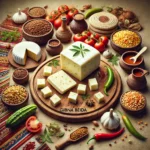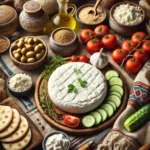

Few countries hold cheese as closely to national identity as Bhutan. While neighbouring Himalayan cuisines savour yak butter, fermented dairy, and chilli-heavy stews, Bhutan elevates its cheese culture through datshi—a term that simply means cheese but represents an entire cooking tradition. Among its many variations, Gondo Datshi stands as one of Bhutan’s national dishes: rich, silky, aromatic, and unmistakably Bhutanese.
Unlike the fiery Ema Datshi, famous for its chilli intensity, Gondo Datshi is buttery, mellow, and deeply comforting. It is Bhutan’s answer to cheese fondue—mountain simplicity transformed into creamy luxury.
🇧🇹 What Is Gondo Datshi?
Gondo Datshi is a traditional Bhutanese cheese dish made by melting yak, cow, or mixed-milk datshi with:
-
butter
-
aromatics
-
mild herbs
-
occasionally egg
The word “Gondo” refers to clarified butter or aromatic spiced butter, while “Datshi” is cheese—together forming a dish that is richer and gentler than Bhutan’s chilli-dominant cheese stews.
Key Characteristics
| Feature | Description |
|---|---|
| Texture | smooth, buttery, melt-rich |
| Flavor | tangy cheese, creamy butter, mild aromatics |
| Salt Level | balanced |
| Aroma | dairy-sweet, warm, mountain-fresh |
| Spice Level | usually mild to aromatic |
Where Ema Datshi shocks with chilli heat, Gondo Datshi cocoons the palate in mountain dairy softness.
🌄 Cheese Culture in Bhutan
Datshi is more than cheese; it is Bhutan’s culinary backbone. In a land where yak herding defines highland life, cheese is not a luxury but a necessity.
Why Cheese Thrives in Bhutan
-
High-altitude climate preserves milk naturally
-
Yak herding tradition ensures constant dairy availability
-
Pasture-fed livestock produce rich, fat-dense milk
-
Minimal agriculture zones rely on milk-based nourishment
Bhutanese dairy is shaped by clean mountain grasses, glacial streams, and small-scale farms rather than industrial production.
🥛 What Cheese Is Used in Gondo Datshi?
The cheese used is Datshi, a fresh, crumbly Himalayan cheese made from:
-
yak milk (classic version)
-
cow milk (modern and widely available)
-
yak-cow blend (balanced flavour + fat)
Cheese Traits
-
melts smoothly into sauces
-
retains a tang similar to chèvre or farmer’s cheese
-
rich without overwhelming salt levels
Datshi’s melting quality makes it ideal for a cheese-butter fusion like Gondo Datshi.
🧈 How Gondo Datshi Is Made
The recipe varies by household and region, but the essential steps are consistent.
Traditional Cooking Steps
-
Clarify Butter
Yak or cow butter is slowly melted until fragrant. -
Add Aromatics
Usually garlic, sometimes spring onion or mild herbs. -
Melt Datshi
Fresh cheese is added and gently stirred. -
Optional Eggs
Lightly whisked eggs enrich texture. -
Slow Simmer
The cheese emulsifies, forming buttery silkiness. -
Serve Immediately
Best enjoyed piping hot.
No spices are needed, no heavy chilli—just dairy, heat, and patience.
🍽 How Bhutan Eats Gondo Datshi
Although found across the country, Gondo Datshi is primarily associated with highland comfort meals and festive tables.
Typical Pairings
-
red rice (Bhutan’s daily staple)
-
khuley (buckwheat pancake)
-
puta (buckwheat noodles)
-
zaw (butter-infused puffed rice)
Meal Occasions
| Setting | Role of Gondo Datshi |
|---|---|
| Family lunch | creamy dairy centreplate |
| Celebration feasts | indulgent cheese dish |
| Cold-season meals | butter warmth + altitude energy |
| Monastic offerings | symbolic dairy richness |
Because Bhutanese winters are severe, butter + cheese together serves a functional purpose: heat, protein, and high-fat nourishment.
🌶 Flavour & Texture Profile
Taste Notes
-
mellow dairy sweetness
-
slight tang from datshi
-
buttery richness
-
herbal lift from aromatics
Texture Experience
| Aspect | Description |
|---|---|
| Mouthfeel | velvety, spoonable, warm |
| Richness | high but balanced |
| Body | fondue-like consistency |
Rather than cheese stretching (like mozzarella), datshi melts smoothly into butter—creaminess without pull.
🍷 Beverage Pairing Guide
Traditional Bhutanese cuisine pairs with non-alcoholic beverages due to cultural practices.
Classic Pairings
-
suja (butter tea) – dairy-to-dairy harmony
-
herbal mountain tea – cuts richness
-
sweet milk tea – contrasts salt + butter
International Pairings
| Beverage | Why It Works |
|---|---|
| Dry Riesling | acidity resets palate |
| Light lager | carbonation lifts creaminess |
| Sparkling water | neutral cleansing sip |
🌍 How It Compares Globally
| Dish | Similarity | Difference |
|---|---|---|
| Swiss fondue | melted cheese + richness | Gondo is simpler + butter-based |
| Queso fundido | molten cheese base | more spice, less dairy purity |
| Raclette | melty + hearty | raclette is sharper + stronger |
| Mornay sauce | butter + cheese | Gondo uses no flour or cream |
What sets it apart?
Simplicity + purity + yak heritage.
🌱 Nutrition Snapshot
Per 100g (approx.):
| Nutrient | Value |
|---|---|
| Calories | high due to butter |
| Protein | moderate-high |
| Fat | high (yak milk is fat-dense) |
| Sodium | balanced |
| Calcium | excellent source |
This is not a diet dish—it is mountain sustenance.
🌟 Final Summary
Gondo Datshi embodies Bhutan:
-
pastoral dairy culture
-
high-altitude nourishment
-
warming butter richness
-
flavour built on simplicity, not spice
It is not fiery like Ema Datshi, nor brined like Himalayan yak cheeses. Instead, it offers comfort, warmth, and culinary reflection of Bhutan’s terrain and quiet elegance.
In the land of monasteries, snowy passes, and red-rice terraces, Gondo Datshi is more than a cheese dish—it is a reminder of Bhutan’s deep dairy soul.
FAQs — Gondo Datshi
1. How is Gondo Datshi different from Ema Datshi?
Gondo is buttery and mild; Ema Datshi uses chillies and is spicy.
2. What cheese is used in Gondo Datshi?
Datshi—fresh Bhutanese yak or cow cheese.
3. Is it vegetarian?
Yes, unless eggs are added (optional, regional).
4. Does datshi melt like mozzarella?
No—it melts into a smooth sauce, not stretchy strands.
5. What is it served with?
Red rice, khuley pancakes, buckwheat noodles, and butter tea.