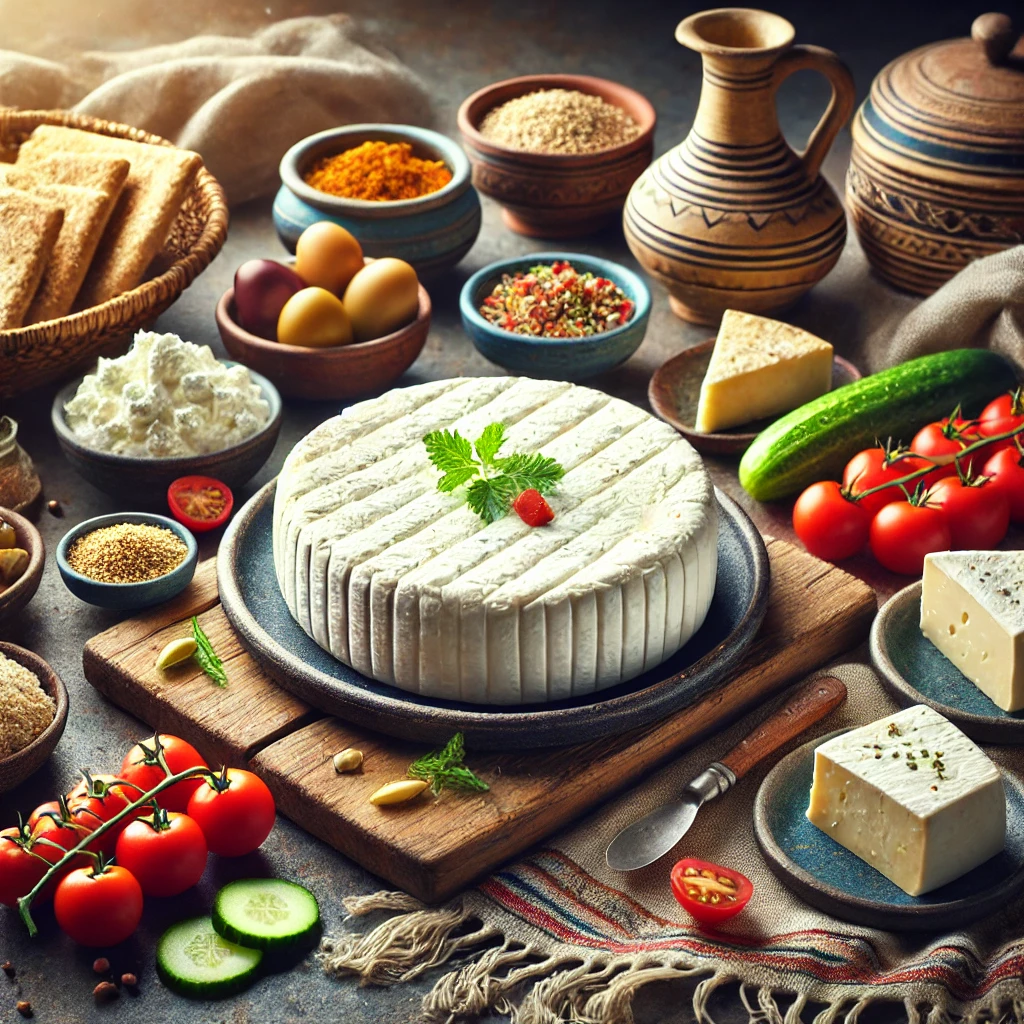
Egyptian cuisine is famous for ful, taameya, koshari, and aromatic bread ovens. But beneath this vibrant culinary world lies a dairy tradition that is centuries old, linked to the Nile’s villages and buffalo farms: Areesh cheese. Creamy, light, faintly tangy, and incredibly versatile, Areesh is one of Egypt’s most cherished fresh cheeses, recognized for its simplicity and silky texture.
Made from laban rayeb (naturally fermented skim milk), Areesh is a cheese of purity and heritage—no heavy salting, no industrial aging, just patient draining and fresh milk culture. It is as much a taste of Egypt’s countryside as baladi bread, olives, and mint tea.
🧀 What Is Areesh Cheese?
Areesh cheese is a fresh, soft, creamy white Egyptian cheese made from:
-
buffalo milk (most traditional)
-
cow milk (modern adaptation)
It originates from rural dairy regions where milk is fermented naturally before curds are separated and formed.
Core Characteristics
| Feature | Description |
|---|---|
| Texture | soft, creamy, spreadable |
| Flavor | tangy, mild, milk-forward |
| Salt | light or none |
| Aroma | clean, fresh |
| Color | white |
| Moisture | high |
| Aging | none; eaten fresh |
Unlike brined feta or crumbly Karish cheese, Areesh offers silky creaminess with gentle acidity.
🇪🇬 A Dairy Tradition of the Nile
Areesh has deep roots in:
-
the Nile Delta
-
Fayoum
-
countryside villages of Upper Egypt
Why Areesh Thrived in Egypt
-
buffalo milk richness creates a naturally thick curd
-
hot climate favors fresh dairy over long aging
-
local fermentation (laban rayeb) develops safe acidity
-
requires no advanced tools or storage
For generations, rural women produced Areesh in clay pots placed in cool shaded areas—milk curdling slowly while whey separated naturally.
🥛 How Areesh Cheese Is Made
Areesh traditionally begins with laban rayeb, a naturally soured milk.
Traditional Steps
-
Ferment the Milk
Fresh buffalo milk sits to sour naturally into laban rayeb. -
Heat Gently
The thickened milk is warmed to separate curds from whey. -
Drain Overnight
Curds rest in cloth-lined baskets to release moisture. -
Light Salting
Salt is added minimally, just for preservation. -
Fresh Storage
Cheese is stored cool and eaten within a few days.
This method highlights dairy purity—no brine, no additives, no industrial culture.
🍽 How Egyptians Eat Areesh
Areesh is woven into Egypt’s breakfast and snack culture.
Classic Pairings
-
baladi bread
-
olives
-
fresh cucumber & tomato
-
honey or black honey (molasses)
Traditional Serving Style
| Plate | Role of Areesh |
|---|---|
| Morning Mezze | creamy protein option |
| Ful Medames Breakfast | soft dairy contrast |
| Taameya Spread | balances herbs & crunch |
| Salata Baladi | mild crumble lifts vegetable freshness |
Sweet & Savory Duality
Areesh is one of few cheeses enjoyed both ways:
-
savory → with herbs & olive oil
-
sweet → with molasses or honey
🧂 Taste & Texture Experience
Flavor Notes
-
fresh milk sweetness
-
faint tang
-
light salt
Texture Notes
-
soft but structured
-
creamy without melting
-
spoonable or slicable depending on drainage
Areesh is more delicate than feta, creamier than Karish, and softer than labneh.
🌍 How Areesh Compares with Other Cheeses
| Cheese | Similarity | Difference |
|---|---|---|
| Cottage cheese | soft & fresh | Areesh is smoother, less watery |
| Ricotta | creamy curd | Areesh has more tang |
| Labneh | dairy-rich | Areesh is curd-based, not strained yoghurt |
| Feta | white color | Areesh is not aged or brined |
| Karish | both Egyptian | Areesh is creamier, Karish is crumbly |
Areesh embodies Egypt’s love for soft dairy comfort.
🍷 Pairing Suggestions
Egyptian tradition favors tea and juice with cheese.
Traditional Drinks
-
mint tea
-
karkadeh (hibiscus)
-
fresh mango juice
-
coconut drink
Modern Pairings
| Beverage | Why It Works |
|---|---|
| light lager | complements creamy tang |
| dry rosé | acidity balances sweetness |
| sparkling water | palate reset |
🌱 Nutrition Snapshot
Per 100g (approx.)
| Nutrient | Value |
|---|---|
| Calories | moderate |
| Fat | moderate to low (buffalo milk version richer) |
| Sodium | low |
| Protein | strong dairy source |
| Calcium | high |
Why It’s Considered Healthy
-
naturally fermented
-
light processing
-
lower salt than most cheeses
-
contains beneficial cultures from laban rayeb
🧀 Modern Uses of Areesh
Chefs now explore Areesh beyond tradition:
-
whipped Areesh dip with herbs
-
Areesh-stuffed pastries
-
Areesh & za’atar flatbreads
-
Areesh-topped roasted vegetables
Its neutral creaminess allows it to take on any spice or topping.
⭐ Final Summary
Areesh cheese is Egypt’s quiet dairy treasure:
-
creamy but clean
-
tangy but soft
-
traditional yet flexible
It is shaped by Nile farming culture, buffalo herds, clay pots, and village fermentation wisdom—honoring milk without overworking it. Areesh remains a breakfast icon, a mezze essential, and a creamy delight that connects Egypt’s households to their rural culinary memory.
Simple, wholesome, and deeply Egyptian—Areesh is dairy comfort at its most authentic.
FAQs — Areesh Cheese
1. Is Areesh the same as Karish cheese?
No, Karish is crumbly and lower fat; Areesh is creamier and tangier.
2. What milk is used?
Traditionally buffalo milk, though cow milk versions exist.
3. Does Areesh melt?
It softens but doesn’t stretch or melt like mozzarella.
4. How long does Areesh last?
Usually 3–5 days when refrigerated.
5. What does Areesh taste like?
Mild, milky, lightly tangy, and clean with soft creaminess.