Across China’s southwestern mountains, dairy isn’t merely cuisine—it is identity shaped by altitude, climate, and centuries of ethnic food tradition. In Yunnan, one cheese stands above all others in cultural recognition: Rubing (乳饼), a fresh, white, milk-forward cheese beloved for its soft texture, mild tang, and versatility. Known especially within Bai and Sani communities, Rubing represents both pastoral heritage and modern culinary creativity.
Unlike aged European cheeses, Rubing is fresh, unsalted, and gently lactic, closer to halloumi or paneer but undeniably influenced by Yunnan’s local grazing environment and cooking traditions. Today, it is found not only in Dali street markets but also on global chef menus, fusion kitchens, and modern pan-Asian cheese boards.
🧀 What Is Rubing?
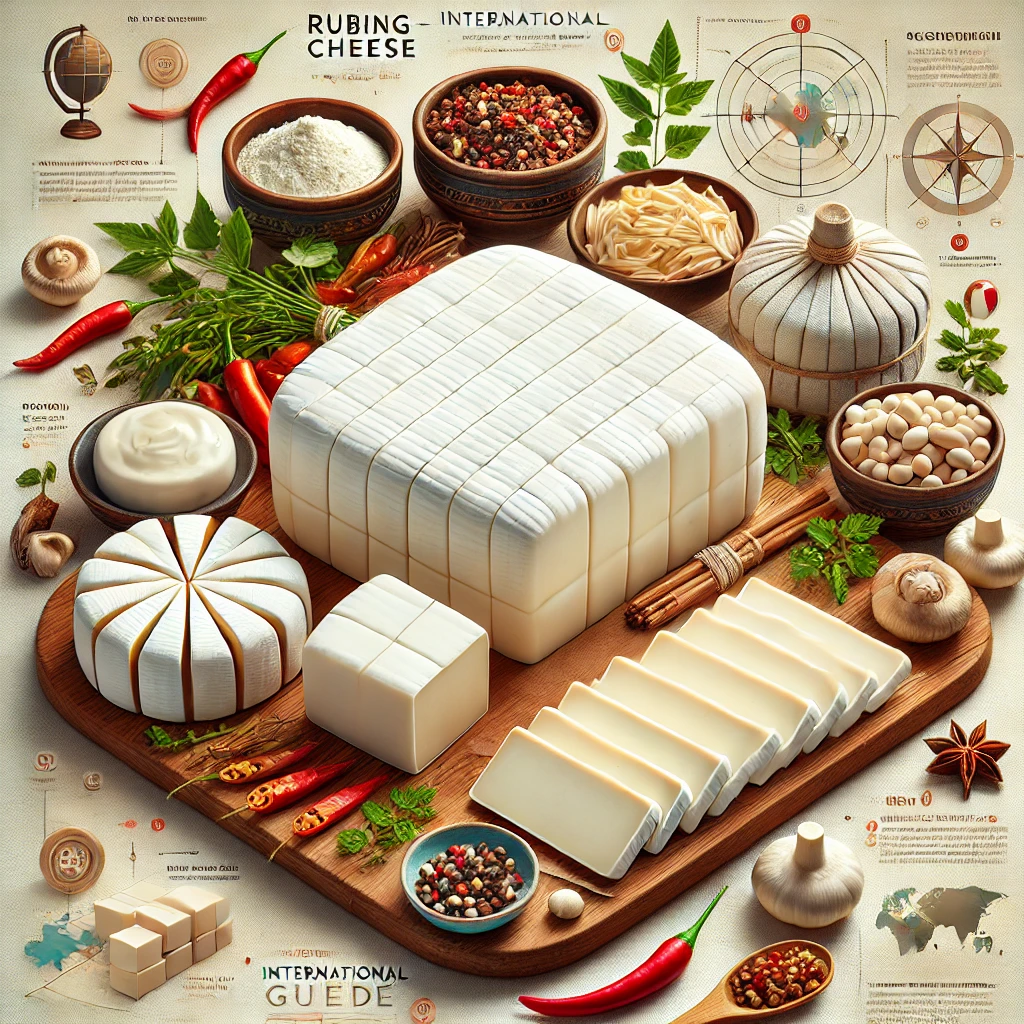
Rubing is a fresh, non-melting cow’s milk cheese produced primarily in western Yunnan, especially in areas like Dali, Lijiang, and Shaxi. Its name literally translates to “milk cake,” highlighting its creamy purity and pressed shape.
Key Characteristics
| Feature | Description |
|---|---|
| Texture | tender, sliceable, soft-firm |
| Flavor | mild, milky, subtle tang |
| Salt | generally unsalted or lightly salted |
| Color | pure white |
| Milk Source | cow (occasionally goat in rural pockets) |
| Melting Ability | non-melting, ideal for grilling or pan-frying |
Rubing’s gentle taste provides a blank, luxurious canvas for herbs, spices, and Yunnan’s famously fragrant peppers.
🌄 Cultural & Geographic Roots
Rubing is deeply associated with the Bai ethnic group in Dali. While China’s dairy history is uneven across regions, Yunnan developed a strong grazing culture thanks to:
-
subtropical highlands
-
cool, clean mountain pastures
-
nomadic influence along the ancient Tea-Horse Road
This trade route brought Tibetan dairy ideas southward, inspiring cheese-making with local adaptation. The result is Rubing: fresh, delicate, and suited to the subtropical climate.
🥛 How Rubing Is Made
Rubing’s production is simple yet skilled—its secret lies in milk purity and timing.
Traditional Method
-
Fresh local cow milk is heated gently.
-
Acidic coagulant (usually sour milk or vinegar) is added.
-
Curds separate and are pressed into square blocks.
-
Cheese rests a short period to firm but never ages long.
-
It is sold fresh, often within 24–48 hours.
Why It Stands Apart
-
no rennet required
-
no heavy salting
-
no aging molds
-
clean flavor reflecting pasture milk
Rubing is the embodiment of fresh dairy minimalism.
🍽 How Rubing Is Eaten in Yunnan
Locals rarely eat Rubing plain. It is almost always pan-fried or grilled.
Most Traditional Serving Style
Pan-Fried Rubing (煎乳饼)
-
golden-brown exterior
-
soft interior
-
eaten with honey, rose jam, chili salt, or herbal dips
Other Regional Preparations
| Dish | Style |
|---|---|
| Rubing with wildflower honey | sweet + dairy purity |
| Rubing with chili crisp | spicy Yunnan aroma |
| Rubing stir-fried with mint | herbal pairing tradition |
| Rubing grilled on skewers | smoky street-food variation |
Rubing responds like halloumi when fried, but tastes far milkier and gentler.
🌍 Rubing on the International Stage
As global cuisine shifts toward sustainability and regional authenticity, Rubing has gained recognition in:
-
plant-forward restaurants
-
new Chinese fusion menus
-
boutique cheese boards
-
pan-Asian brunch and salad concepts
Why Chefs Love It
-
neutral base for spices
-
grillability without melting
-
fresh texture ideal for seasoning
-
photogenic plate presence
Rubing is now crossing continents like burrata and paneer, but retaining distinctive Chinese terroir.
🌶 Flavor & Texture Profile
Flavor Notes
-
yogurt-soft tang
-
pure cow’s milk sweetness
-
delicate dairy finish
-
grassy undertones from highland grazing
Texture Notes
-
soft but firm
-
no crumble
-
springy when grilled
-
never oily, never melting
Rubing is fresh but structured—a culinary bridge between tofu and cheese for many diners.
🧂 Rubing vs International Fresh Cheeses
| Cheese | Similarity | Difference |
|---|---|---|
| Paneer (India) | non-melting, grillable | Rubing is milder & softer |
| Halloumi (Cyprus) | fries & grills well | Halloumi is saltier |
| Queso Blanco (Latin America) | fresh pressed milk | Rubing more tender & floral |
| Farmer’s Cheese (US) | mild dairy | Rubing has unique mountain aroma |
Rubing is closest to halloumi in cooking style but closer to paneer in flavor gentleness.
🍷 Beverage Pairing Guide
Traditional Pairings
-
Yunnan Pu’er tea
-
jasmine tea
-
rose petal jam + herbal tea
International Pairings
| Drink | Why It Works |
|---|---|
| dry Riesling | acidity balances cream |
| light lager | crisp cut vs soft dairy |
| lemon tonic | refreshing palate contrast |
| sake | rice sweetness complements Rubing |
🌱 Nutrition Profile
Per 100g (approx.)
| Nutrient | Value |
|---|---|
| Calories | moderate |
| Protein | high |
| Fat | moderate |
| Salt | low |
| Calcium | excellent |
Rubing is appealing to dairy-lovers seeking:
-
low salt
-
clean protein
-
soft, digestible texture
🧊 Storage & Serving Tips
-
Best eaten fresh within a week.
-
Wrap in breathable cloth or wax paper.
-
Refrigerate but avoid freezing (destroys texture).
-
Pan sear with neutral oil until golden.
If aroma turns sour, it has passed its freshness window.
⭐ Final Summary
Rubing is Yunnan’s dairy pearl:
-
pure, clean, mountain milk
-
lightly tangy, beautifully mild
-
ideal for frying, grilling, and honey pairings
-
culturally rooted in Bai traditions but now globally modern
It is both culinary heritage and innovation canvas, bridging ancient pastures with cosmopolitan kitchens. As Chinese regional cuisine rises worldwide, Rubing stands ready to join beloved fresh cheeses like burrata, halloumi, and paneer—distinct, delicate, proudly Yunnanese.
FAQs — Rubing Cheese
1. Is Rubing similar to halloumi?
Yes in cooking style, but Rubing is milder and less salty.
2. Can Rubing be eaten raw?
Yes, but it shines most when lightly pan-fried.
3. What makes Rubing unique?
Its mountain milk purity, fresh texture, and Bai culinary heritage.
4. Does Rubing melt?
No—like halloumi or paneer, it softens but does not melt.
5. How should Rubing be stored?
Refrigerated, wrapped in breathable paper, and eaten fresh.