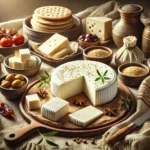
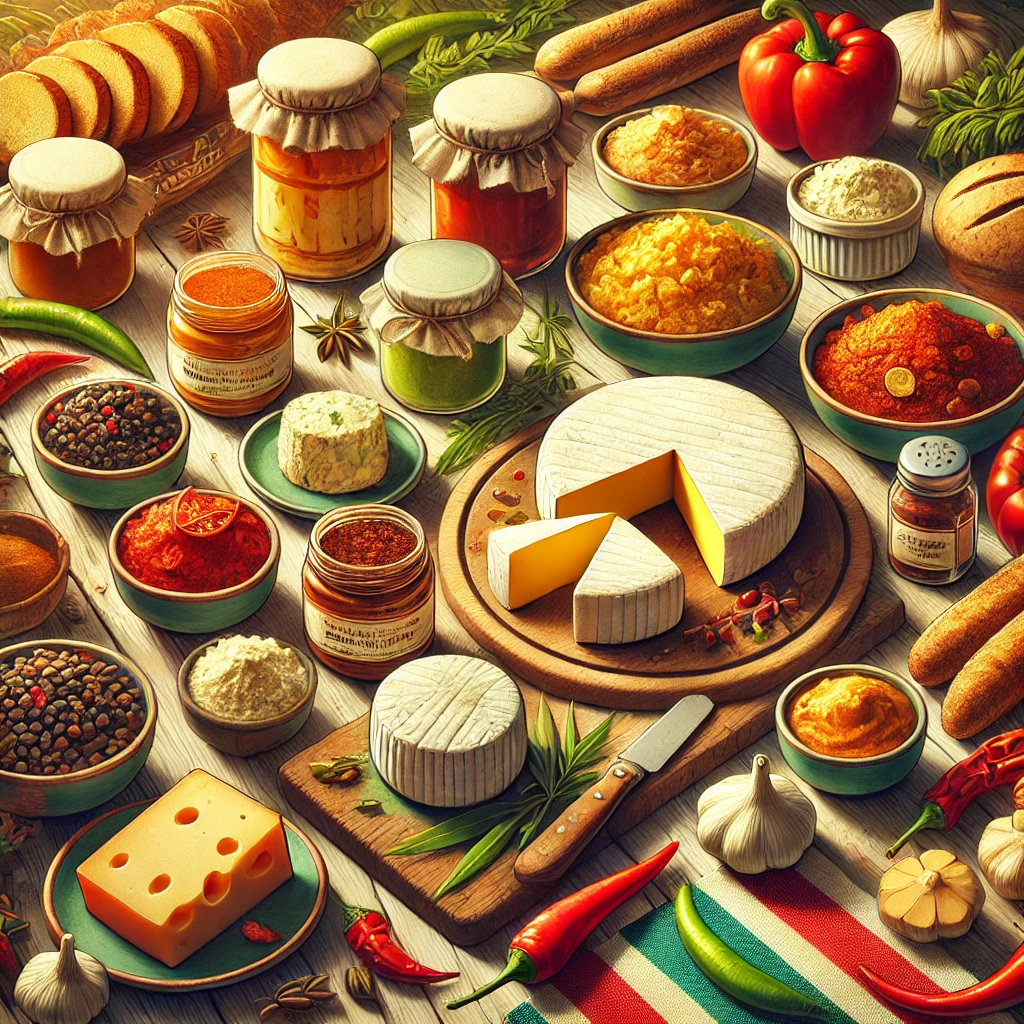
Haiti’s culinary identity is defined by spice, generosity, Creole technique, and preservation practices born out of history and resilience. Among its lesser-known but culturally rich food traditions is Fromage Fort, a tangy, aromatic, aged Haitian-style cheese that blends French dairy influence with Caribbean fermentation methods. Unlike mild fresh cheeses of the region, Fromage Fort is celebrated for its deep savory punch, peppery tang, and rustic texture, often served with crackers, bread, or incorporated into boldly seasoned dishes.
While Haiti is not widely recognized as a dairy powerhouse, mountainous regions and rural farms maintain cheese-making practices that reflect French legacy but adapted to tropical climate, spice availability, and home fermentation traditions. Fromage Fort is a cheese that tells the story of both the Caribbean and colonial dairy craftsmanship—sharp, flavorful, and undeniably Haitian in spirit.
🧀 What Is Haitian Fromage Fort?
Though the term “Fromage Fort” originates in French cheesemaking, the Haitian adaptation has its own distinct personality.
Key Characteristics
| Feature | Haitian Version |
|---|---|
| Texture | semi-soft to firm, crumbly, spreadable |
| Flavor | sharp, spicy, salty, tangy, herbal |
| Aroma | bold, fermented, pepper-noted |
| Color | off-white to pale yellow |
| Aging | weeks to months (varies by family method) |
| Milk | cow, occasionally goat |
Haitian Fromage Fort is not just aged—it is intentionally seasoned to endure climate, develop complexity, and build bold identity.
🇭🇹 Haitian Adaptation: From French Cellar to Caribbean Spice
French colonization brought aging and fermentation techniques, but Haiti reimagined them using:
-
local peppers
-
herbs
-
rum or vinegar-based preservation
-
salt-curing to survive humidity
Why It Works in Haiti’s Climate
-
stronger brine limits spoilage
-
pepper and herbs deter bacteria
-
aging adds depth without refrigeration reliance
Fromage Fort became an everyday cheese spread, condiment, and cooking flavor enhancer in households and street markets.
🌶 Haitian Flavors vs. Classic French Fromage Fort
While the French version often blends leftover cheeses with wine and herbs, the Haitian counterpart leans into:
| Element | French Style | Haitian Style |
|---|---|---|
| Acid | wine-based | vinegar, citrus, or rum notes |
| Spice | herbal | scotch bonnet, chili, garlic |
| Texture | smooth paste | chunkier, rustic, spread-crumb hybrid |
| Flavor | mild to savory | boldly tangy, Caribbean heat |
The Haitian cheese palette celebrates heat, salt, tropical acidity, and preservation.
🧂 Seasoning & Fermentation Tradition
Haitian Fromage Fort is often prepared with:
-
chili pepper paste
-
garlic
-
thyme
-
parsley
-
cloves
-
citrus zest or vinegar
Some families add:
-
piman bouc (Haitian goat pepper)
-
rum-infused brine
-
chive & green herb oil
Resulting Flavor
A salty-sharp cheese with warning sparks of pepper, layered with lactic tang and subtle sweetness from aging milk.
🍽 How To Eat Fromage Fort in Haiti
Traditional Serving
| Pairing | Why It Works |
|---|---|
| cassava bread (kasav) | neutral base balances tang & heat |
| fresh baguette | colonial legacy meets cheese craft |
| plantain chips | crunchy + salty contrast |
| pikliz | acid-spice harmony |
Culinary Uses
-
cheese spread for gatherings
-
topping for roasted yam or breadfruit
-
stirred into scrambled eggs with thyme
-
garnish for grilled fish and spiced chicken
Street Food Influence
Fromage Fort appears in:
-
snack platters
-
festival food
-
spicy dips alongside pikliz and salted fish
Its boldness makes it a condiment cheese, not a silent table accessory.
🌍 Fromage Fort in the International Cheese Scene
As global cuisine turns toward fermentation, island dairy traditions like Haitian Fromage Fort are gaining recognition.
Why Chefs Love It
-
intense Caribbean heat meets French creaminess
-
artisanal farmhouse appeal
-
versatile as spread, crumble, or seasoning
Chefs now incorporate it into:
-
fusion cheese boards
-
Creole-inspired tapas
-
rum-infused charcuterie pairings
🌶 Flavor & Texture Breakdown
Taste Notes
-
sharp tang like aged chèvre
-
pepper heat comparable to Caribbean condiments
-
herbaceous finish
-
gentle lactic cream beneath spice
Texture Notes
-
dense crumble that turns creamy when warmed
-
spreadable when blended
-
sometimes aged enough for salty crystals
Haitian Fromage Fort is flavor-forward—not soft, not timid, but celebratory.
🍷 Beverage Pairing Guide
Classic Haitian Drinks
| Drink | Why It Works |
|---|---|
| rum punch | sweet, citrus lift vs aged saltiness |
| Haitian Kleren (light rum) | sharp contrasts complement cheese tang |
| ginger beer | spice meets spice, but balanced |
International Pairings
| Beverage | Reason |
|---|---|
| dry rosé | acidity refreshes brined cheese |
| Prosecco | bubbles lighten creamy salt |
| wheat beer | yeast + dairy balance |
| herbal tea (mint/lemongrass) | freshness against pepper |
🌱 Nutrition Overview
Per 100g (approx.)
| Nutrient | Value |
|---|---|
| Protein | high |
| Fat | moderate to high |
| Sodium | high due to brine |
| Calcium | strong |
| Probiotics | present in fermented versions |
Dietary Notes
-
salt-savvy diners should moderate portions
-
naturally probiotic due to aging bacteria
🧊 Storage & Handling
-
always stored refrigerated in salted brine
-
must be kept airtight to prevent over-fermentation
-
flavor intensifies as days pass
If cheese appears oily or overly pungent, it may have passed its ideal ripening window.
⭐ Final Summary
Fromage Fort in Haitian cuisine is:
-
artisanal
-
sharp yet creamy
-
boldly seasoned
-
rooted in French cultural influence
-
elevated by Caribbean spice personality
It is both a flavor enhancer and cheese centerpiece, bridging historical dairy practice with modern island creativity. In Haiti, cheese is not an imported luxury—it is communal celebration.
Fromage Fort is Haiti’s testament to resourcefulness and taste, proving that cheese doesn’t need a cold cave in Burgundy to become legendary—sometimes, the Caribbean sun and Creole pepper do the refining.
FAQs — Fromage Fort (Haitian Style)
1. Is Haitian Fromage Fort very spicy?
It can be, especially versions infused with piman bouc or chili paste.
2. How is it different from French Fromage Fort?
Haiti’s version is spicier, saltier, and aged for tropical climate preservation.
3. What do Haitians eat it with?
Cassava bread, pikliz, baguette, plantain chips, and Creole condiments.
4. Does it melt?
It softens and spreads but doesn’t melt like mozzarella or cheddar.
5. Can it be served in gourmet dishes?
Absolutely—it pairs beautifully with rum reductions, charcuterie, and fusion menus.