Cameroon is home to vibrant kingdoms, forest agriculture, and deeply layered culinary customs. Among its traditional foods lies an unexpected dairy treasure—Bamoun cheese, produced by the Bamoun people of western Cameroon. While cheese is not widely associated with Central Africa, this region has cultivated a distinct fermentation style that reflects local livestock culture, royal symbolism, and a food philosophy rooted in community sharing and ceremonial identity.
Unlike European rinds or North African brine blocks, Bamoun cheese is fresh, clean, and lightly fermented, designed to be enjoyed quickly rather than aged. It is a product of warm-climate adaptation, cattle stewardship, and palace-era cuisine from the Bamoun Sultanate founded in the 14th century.
🧀 What Is Bamoun Cheese?
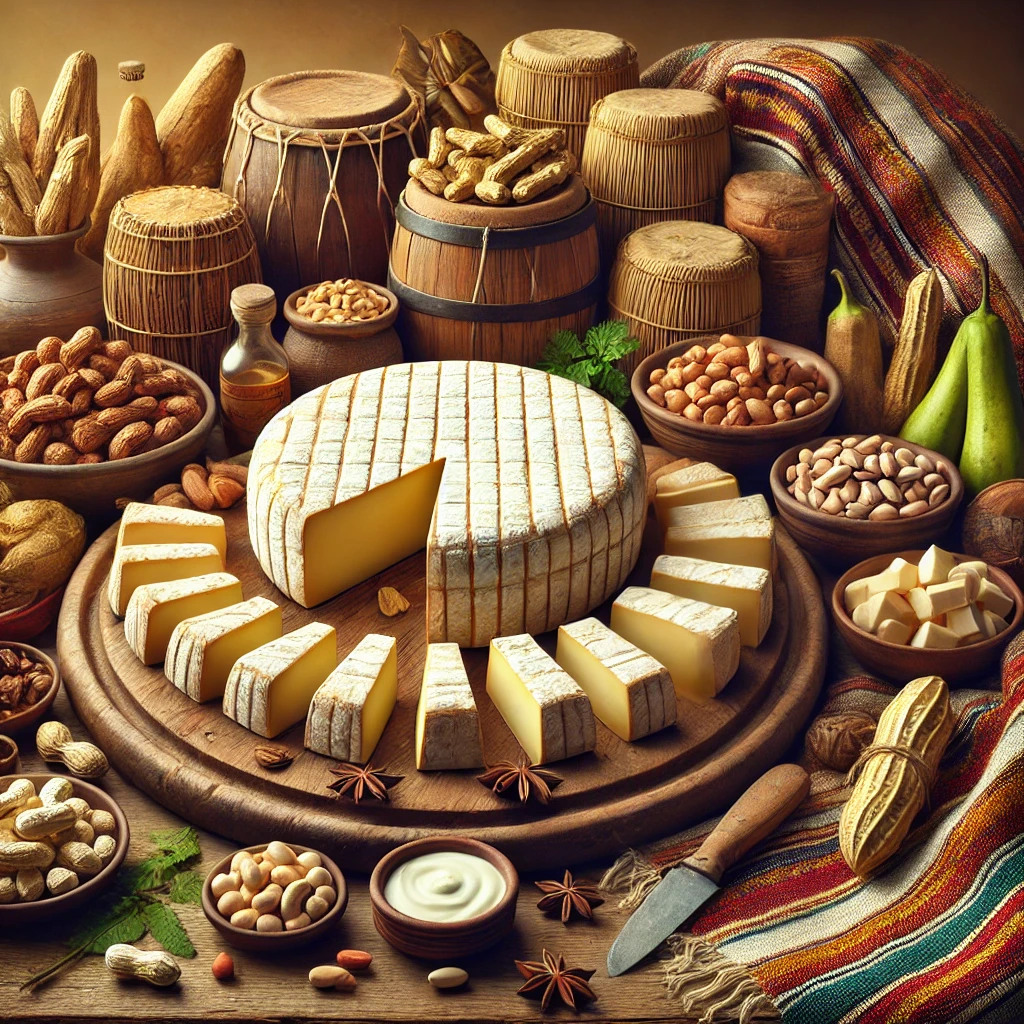
Bamoun cheese is a fresh, soft, tangy dairy curd made primarily from cow’s milk. It is not brined and not aged long-term—its value lies in its purity, simplicity, and aromatic freshness.
Key Characteristics
| Attribute | Description |
|---|---|
| Texture | soft, tender, slightly crumbly |
| Flavor | mildly tangy, milky, clean |
| Aging | minimal (fresh consumption) |
| Color | white to pale cream |
| Milk Type | cow milk (main); occasional mixed livestock |
| Aroma | light dairy with hint of fermentation |
The cheese is often formed into small discs or pressed patties, reflecting local craft style and swift consumption.
🌍 Cultural Heritage of the Bamoun Kingdom
The Bamoun people, centered in the historic city-state of Foumban, built a sophisticated court culture blending:
-
Sahel cattle practices
-
forest agriculture
-
Islamic influences
-
royal feast traditions
Bamoun cheese appears in:
-
ceremonial meals
-
nobility banquet dishes
-
family celebrations
-
hospitality offerings for visitors
Historically, cheese symbolized:
-
generosity
-
animal wealth
-
royal dairy lineage
Livestock in Bamoun society has long been a marker of social status, and cheese served at court underscored a household’s honor.
🥛 How Bamoun Cheese Is Made
Production varies from family to family, but core steps remain tied to ancestral dairy knowledge.
Traditional Process
-
Fresh cow milk collected at dawn
-
Gentle heating to initiate curd formation
-
Natural acid or rennet substitute (often soured whey or plant coagulants)
-
Curd separation over cloth filters
-
Hand-forming into small rounded shapes
-
Brief air drying or light pressing
This method avoids heavy salt, smoke, or brine. Instead, freshness is the identity.
Why It Works in Tropical Climate
-
quick fermentation
-
no long aging needed
-
immediate consumption reduces spoilage concerns
Bamoun cheese favors speed, aroma, and delicacy, not preservation endurance.
🍽 Culinary Uses in Bamoun & Cameroonian Cuisine
Bamoun cheese works across sweet and savory settings due to its neutral flavor and soft texture.
Traditional Uses
| Dish/Pairing | Notes |
|---|---|
| millet porridge | protein lift + grain comfort |
| cassava & yam plates | softness against root starch |
| stews & light soups | dairy depth without heaviness |
| ceremonial platters | reflects prestige & hospitality |
Contemporary Adaptations
-
crumbled over grilled plantains
-
creamy complement in peanut sauces
-
folded into bean cakes
-
served chilled with honey or fruit purées
Cameroonian chefs today elevate the cheese with:
-
cinnamon-spiced dips
-
papaya salad pairings
-
smoked pepper condiments
🌿 Flavor Notes & Texture Identity
Taste Profile
-
lactic sweetness
-
soft tang
-
fresh dairy clarity
-
mild herbal finish (based on cattle grazing)
Texture Profile
-
tender curds
-
lightly pressed
-
moist but sliceable
-
no wax, rind, or heavy salt layer
Bamoun cheese aligns more with ricotta, queso fresco, and paneer than with aged rind cheeses.
🧭 Regional Cheese Comparisons
| Cheese | Similarity | Difference |
|---|---|---|
| Queso Fresco | light tang, soft | Bamoun less salty |
| Ricotta | fresh curd, clean | Bamoun slightly firmer |
| Paneer | hand-formed | Bamoun is tangier, less dense |
| Feta | dairy tang | Bamoun not brined, less intense |
| Ethiopian Ayib | East African cousin | similar simplicity, different ferment tone |
Within Africa’s cheese map, Bamoun is closest to Ayib, Wara (Nigeria), and Nono-derived curds, but retains its Bamoun identity.
🥗 Best Pairings & Serving Ideas
Savory Pairings
-
grilled fish with lime
-
fried plantains
-
sautéed greens (ndole, spinach)
-
jollof-rice-style rice plates
Sweet Pairings
| Pairing | Why It Works |
|---|---|
| honey drizzle | floral sweetness + dairy lightness |
| pineapple & mango | tropical acidity lift |
| tamarind syrup | sweet-sour harmony |
| dates | caramel contrast |
🍷 Beverage Pairings
Traditional
-
millet beer
-
ginger drinks
-
palm wine (mild sweetness balance)
-
tamarind juice
-
hibiscus tea (foléré)
Modern
| Drink | Complements |
|---|---|
| chilled white wine | balances fresh tang |
| rosé | mild fruit + dairy |
| craft cider | sweet acidity |
| herbal sparkling water | palate cleanse |
🧊 Storage & Safety
Because it is fresh, Bamoun cheese must be stored carefully.
Storage Guidelines
-
refrigerate if possible
-
consume within 3–5 days
-
avoid room-temperature holding after cutting
-
keep wrapped in breathable cloth or sealed glass
Avoid:
-
freezing (texture breaks)
-
plastic wrap for long periods (condensation spoilage)
⭐ Final Summary
Bamoun cheese is a dairy jewel of Cameroon’s western highlands—a fresh, soft, noble cheese reflecting:
-
pastoral heritage
-
royal feasts
-
artisanal dairy knowledge
-
Central African terroir
It does not aim for rind prestige or European mold character. Instead, it offers clean dairy simplicity, quick enjoyment, and cultural dignity that links the modern Bamoun kitchen to its royal past.
With its gentle flavor, versatile pairing potential, and elegant minimalism, Bamoun cheese remains one of Central Africa’s most intriguing and under-recognized dairy traditions.
FAQs — Bamoun Cheese
1. Is Bamoun cheese aged?
No, it is consumed fresh with minimal fermentation.
2. What milk is used?
Mostly cow milk, though small herd blends may occur.
3. Is Bamoun cheese salty?
Barely—salt is limited or absent in traditional forms.
4. How long does it last?
3–5 days refrigerated, less at room temperature.
5. What makes it culturally special?
Its connection to Bamoun royal kitchens, hospitality, and pastoral heritage.