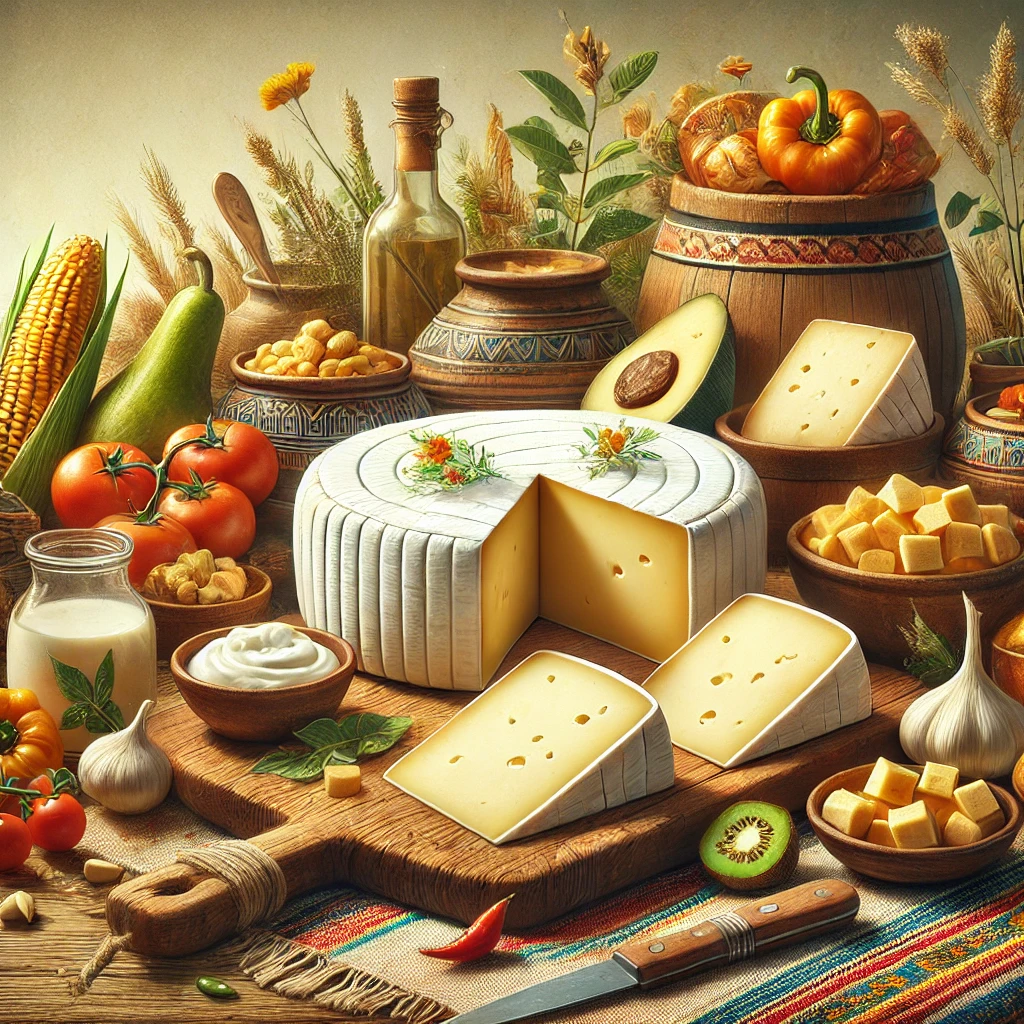
Ecuador’s dairy culture is shaped by Andean pastures, coastal humidity, small family farms, and centuries of cheese-making adaptation. While goat and sheep cheeses exist in limited rural production, Queso de Vaca—fresh cow’s milk cheese—remains the most iconic and widely consumed cheese in Ecuador. Known for its mild flavor, soft texture, and exceptional pairing versatility, Queso de Vaca is a staple in local markets, street breakfasts, empanada stalls, and home kitchens.
From Quito’s cold highlands to Manabí’s tropical coast, this cheese travels through Ecuadorian cuisine as a comfort food—simple, fresh, lightly salted, and made to be enjoyed immediately rather than aged in caves or brine barrels.
🧀 What Is Queso de Vaca?
Queso de Vaca translates directly to “cow’s cheese,” but in Ecuador it refers specifically to a fresh, soft, white cheese made from whole cow’s milk. Unlike aged European cheeses, Queso de Vaca is non-fermented, lightly salted, and minimally processed, prioritizing pure dairy sweetness over tang or rind complexity.
Key Characteristics
| Attribute | Detail |
|---|---|
| Texture | soft, crumbly, slightly moist |
| Flavor | mild, creamy, gently salted |
| Milk Type | fresh whole cow’s milk |
| Aging | none—consumed fresh |
| Color | pure white |
| Aroma | clean, milky, simple |
Because of Ecuador’s varied climates, the cheese can taste subtly different depending on region:
-
Highland versions: denser, cooler-curd set
-
Coastal versions: softer, higher moisture
🌍 Regional Landscape of Milk & Cheese
Highlands: Sierra
In provinces like Pichincha, Azuay, Tungurahua, and Chimborazo:
-
cows graze on high-altitude grasslands
-
milk is naturally rich and slightly sweeter
-
cheese tends to be firmer due to chilly climate
Coastal Region
In regions such as Manabí and Esmeraldas:
-
humidity affects cheese moisture
-
texture tends to be softer and cream-forward
-
often used in street snacks and frying dishes
Amazon Region
Production exists but is limited and more artisanal, often sold in local markets wrapped in banana leaves.
🥛 How Queso de Vaca Is Made
This cheese remains mostly household and small-farm produced, though commercial versions exist.
Traditional Process
-
Morning cow’s milk is warmed.
-
Rennet or natural acidic agent is added.
-
Curds form and are cut gently.
-
Curds drain in cloth or baskets.
-
Cheese is lightly salted and pressed.
-
Sold and consumed within 24–72 hours.
Why It Works in Ecuador
-
fast production cycle
-
no aging room required
-
ideal for fresh markets and daily cooking
This immediacy is a defining trait: freshness over fermentation.
🍽 How Queso de Vaca Is Used in Ecuadorian Cuisine
Most Common Uses
| Dish | How It’s Used |
|---|---|
| Empanadas de queso | melted into soft pastry filling |
| Patacones (fried plantain) | topping or stuffing |
| Bolón de verde | mashed with plaintain and cheese |
| Tigrillo | scrambled plantain and cheese mix |
| Arepas ecuatorianas | filled with fresh cheese |
| Humitas | steamed corn cakes with cheese center |
Breakfast Role
Ecuadorian breakfasts often include:
-
Queso de Vaca + fresh bread
-
cheese with black coffee
-
cheese with fruit like papaya or pineapple
Street Food Culture
Cheese vendors stack fresh blocks in coolers in:
-
open markets
-
mobile carts
-
beach stalls
It is eaten same-day or next-day, preserving soft moisture and dairy purity.
🌿 Flavor & Texture Notes
Texture
-
moist but not watery
-
crumbly but sliceable
-
melts in heat but does not stretch like mozzarella
Flavor
-
subtle dairy sweetness
-
faint salt
-
no sharp tang or aging notes
This mildness makes Queso de Vaca a base cheese—blending into dishes rather than dominating them.
🇪🇨 Cultural Significance
Queso de Vaca represents:
-
farm labor pride
-
morning market ritual
-
daily bread table companion
-
comfort and familiarity
Cheese is sold and consumed fresh within a few days—symbolizing the pace and freshness of Ecuadorian daily food life.
🌎 Comparison with Other Latin Cheeses
| Cheese | Similarity | Key Difference |
|---|---|---|
| Queso Fresco (Mexico) | fresh, mild | Ecuador’s version softer |
| Queso Blanco (Caribbean) | clean dairy taste | Queso de Vaca less firm |
| Requesón | soft mild curd | Queso de Vaca sliceable |
| Cuajada (Colombia) | fresh | slightly denser in Ecuador |
Ecuador’s cheese is best understood as a middle point between queso fresco and queso blanco—soft, milky, flexible in recipes.
🥂 Best Pairings
Traditional
-
sweet plantains
-
black coffee
-
cassava bread (pan de yuca)
-
fresh fruit slices
Modern
| Pairing | Benefit |
|---|---|
| honey drizzle | sweet-salty harmony |
| basil pesto | herbal contrast |
| avocado toast | cream-on-cream richness |
| roasted peppers | smoky uplift |
🧊 Storage & Shelf Life
Because it is fresh, Queso de Vaca demands refrigeration.
Storage Tips
-
keep wrapped in breathable paper
-
refrigerate but avoid freezer
-
place in sealed glass container if crumbly
Shelf Life
| Type | Duration |
|---|---|
| fresh market cheese | 2–4 days |
| lightly firmed commercial cheese | 5–7 days |
⭐ Final Summary
Queso de Vaca is Ecuador’s dairy heartbeat—soft, fresh, easy to love, and deeply tied to daily food rhythms. It does not seek aging prestige or rind artistry but instead celebrates purity, immediacy, and everyday comfort. Breakfast toast, plantain patties, empanada fillings, or coastal snack boards—it fits everywhere.
As Ecuador modernizes dairy logistics, Queso de Vaca remains a marker of familiarity and heritage, connecting modern kitchens to farmer routines and mountain pastures.
FAQs — Queso de Vaca
1. Is Queso de Vaca aged?
No, it is a fresh cheese meant to be eaten within days.
2. What milk is it made from?
Whole cow’s milk, occasionally blended with goat milk in artisanal versions.
3. Does it melt well?
It softens when heated but does not stretch like mozzarella.
4. How salty is it?
Light to moderate—salt enhances but doesn’t dominate.
5. How is it eaten?
In empanadas, plantain dishes, breakfast plates, and coastal street snacks.