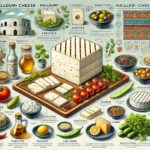

Cheesemaking in the Caribbean is often overshadowed by seafood and tropical agriculture, yet the Bahamas offers an unexpected dairy charm: feta-style brined cheese. While not identical to Greek PDO feta, Bahamian feta-style cheese draws inspiration from the Mediterranean tradition but adapts it to local island conditions, small-scale farming, and heat-driven preservation needs.
Produced in limited batches, usually from pasteurized cow’s milk or blended goat milk, this cheese reflects the Bahamian approach to freshness, brine stability, and flavor adaptability. Its crumbly body, tangy finish, and salt-forward character make it a standout in Caribbean culinary identity—perfect for seafood platters, salads, and tropical fruit pairings.
🌴 What Makes Bahamian Feta-Style Cheese Unique?
Unlike European feta, which is heavily regulated and typically sheep-goat based, Bahamian feta-style cheese is more flexible. Island dairy farms often work with locally accessible milk and climate-sensitive fermentation.
Key Characteristics
| Feature | Bahamian Feta-Style Profile |
|---|---|
| Milk Type | mostly cow, occasional mixed goat |
| Texture | crumbly, soft, brine-cured |
| Flavor | tangy, salty, mild butter undertones |
| Preservation | salt brining for tropical climate |
| Color | white to slightly cream |
| Aroma | clean milk scent with brine sharpness |
Because of the humidity and heat, brining becomes essential not only for flavor but for food safety and shelf stability.
🌍 Origins & Dairy Adaptation in the Caribbean
The Bahamas does not have a long-established cheesemaking tradition like Europe, but dairy craft developed through:
-
small community farms
-
expatriate culinary influence
-
tourism-driven culinary experimentation
-
reliance on imported milk powder historically
In more recent decades, artisanal cheesemakers have embraced:
-
fresh pasteurized local milk
-
brining vats
-
coastal salt curing
This encouraged a style of cheese inspired by feta but shaped by island needs.
🧂 The Role of Brine in Island Cheesemaking
Warm environments accelerate milk spoilage. To slow microbial activity, cheese is submerged in:
-
saltwater brine
-
sometimes mineral-enriched Bahamian sea salt mixes
Benefits of Brine
| Purpose | Result |
|---|---|
| Preservation | prevents harmful bacteria |
| Texture Development | crumbly but moist |
| Flavor Infusion | salty tang remains balanced |
| Climate Suitability | resists tropical heat |
Salt is not merely seasoning—it is a climate strategy.
🧀 Taste & Texture Notes
Bahamian feta-style cheese leans mild compared to Greek feta.
Flavor Impressions
-
soft acidity
-
gentle tang
-
ocean-salt impression if natural sea salt is used
-
slight creaminess beneath brine crust
Texture Notes
-
breaks cleanly when crumbled
-
soft enough to mash
-
holds shape in salads
It offers a cleaner, less pungent finish, making it excellent for fresh tropical cooking.
🍍 Best Culinary Uses in Bahamian Cuisine
Island-Style Pairings
| Dish | Why It Works |
|---|---|
| conch salad | salt-tang cuts seafood sweetness |
| grilled snapper | cheese crumbles add depth |
| cassava bread with herbs | tang vs earthiness |
| mango salsa bowls | sweet-acid contrast |
| papaya-lime salad | high aroma + creamy salt |
Mediterranean Meets Caribbean
-
feta-style cheese over Greek salad with Bahamian tomatoes
-
island herb pesto + cheese spread over crackers
-
coconut flatbread + cheese crumble
Because it is mild, it pairs beautifully with produce-forward dishes.
🍷 Beverage Pairings
| Drink | Why |
|---|---|
| white rum (light) | sweet tropical balance |
| Chardonnay | creamy vs tang harmony |
| citrus cocktails | acidity match |
| coconut water | refreshing palate rinse |
A tropical cheese deserves tropical drink logic.
🧊 Storage & Handling in Tropical Conditions
Store Properly
-
always keep submerged in brine
-
refrigerate after opening
-
avoid leaving uncovered in heat
Shelf Life
| State | Duration |
|---|---|
| sealed in brine | 4–6 weeks |
| opened & refrigerated | 2–3 weeks |
| drained crumbles | 5–7 days |
For best results, rinse lightly before serving to adjust salt intensity.
🌎 Comparison With Other Feta Families
| Cheese | Region | Similarity | Difference |
|---|---|---|---|
| Greek Feta | Greece | brined, crumbly | sharper, goat-sheep milk |
| Bulgarian Sirene | Balkans | white brined | creamier & saltier |
| Turkish Beyaz Peynir | Turkey | similar texture | milder, softer |
| Bahamian Feta-Style | Bahamas | brine-cured | gentler tang, tropical adaptation |
Bahamian cheese maintains feta’s structure but lightens its acidity.
💡 Why It Fits Modern Bahamian Food Culture
-
Tourism-driven palates demand cheese platters and fusion dishes.
-
Local brunch cafés use feta-style cheese in:
-
avocado toast
-
smoked fish plates
-
coconut pancakes with cheese crumble
-
-
Resorts pair it with:
-
fresh fruit trays
-
rum tastings
-
seafood medleys
-
It bridges island freshness and global cheese sophistication.
⭐ Conclusion
Feta-style cheese in the Bahamas demonstrates how a global dairy icon can evolve through climate, salt craft, local milk sourcing, and contemporary island cuisine. Mild, brined, and bright, it pairs effortlessly with seafood, tropical fruit, and modern fusion plates.
More than a Mediterranean imitation, Bahamian feta-style cheese is a symbol of adaptation—embracing brine as preservation, climate logic, and culinary elegance.
FAQs – Bahamian Feta-Style Cheese
1. Is Bahamian feta the same as Greek feta?
No. It is inspired by feta but usually made with cow’s milk and milder in tang.
2. Why is brine essential?
To preserve cheese safely in tropical heat and maintain texture.
3. Can Bahamian feta be paired with seafood?
Yes—it complements conch, snapper, shrimp, and crab beautifully.
4. How salty is it?
Moderately salty due to brining but gentler than Greek variants.
5. Can I cook with it or only serve fresh?
Both. It crumbles in salads and softens nicely when warmed.