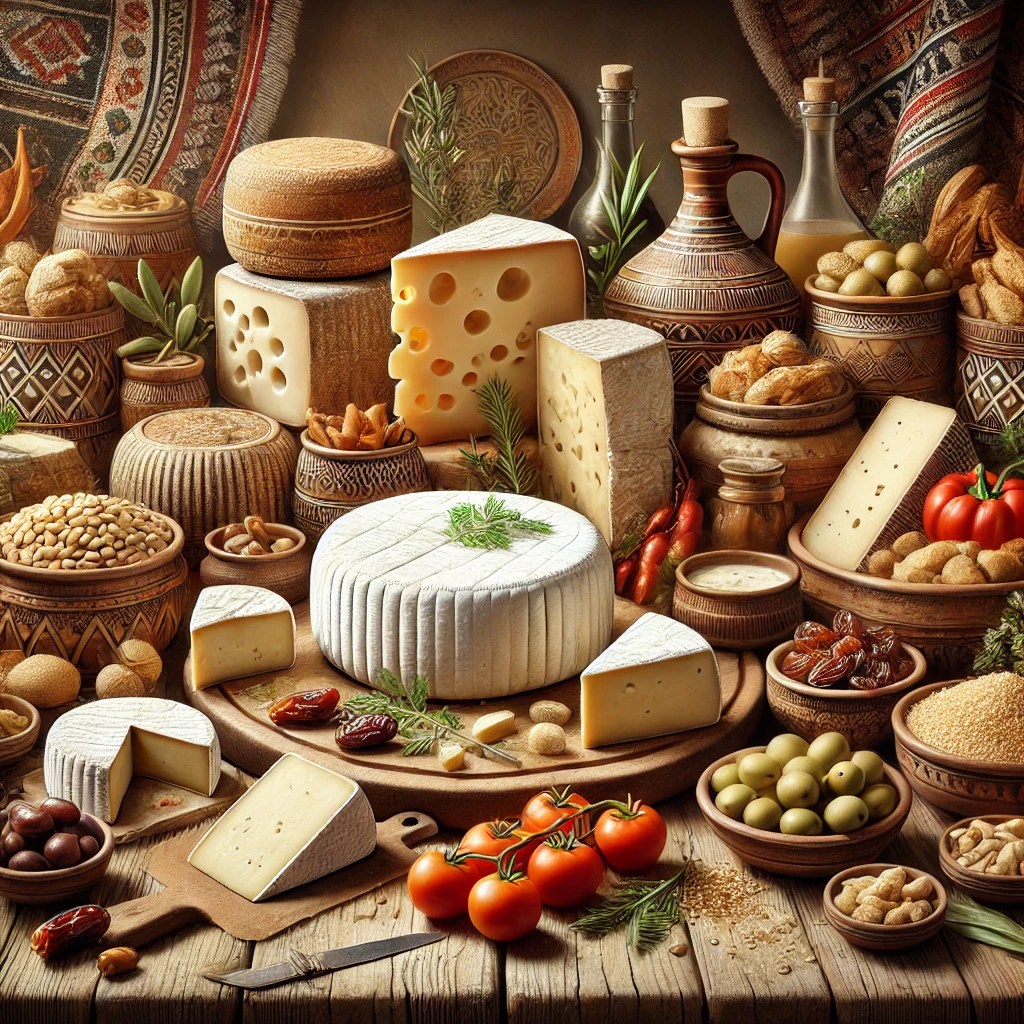
Algeria, a land of sweeping deserts, lush northern valleys, and ancient Berber food traditions, is home to numerous lesser-known but culturally significant cheeses. Among these treasures is Aghoughlou, a traditional cheese crafted in rural communities where pastoral life and age-old preservation techniques still thrive. While overshadowed by more famous North African dairy products like jben or raib, Aghoughlou stands as one of Algeria’s most distinctive artisanal cheeses—deeply tied to regional identity, local landscapes, and family-based production.
Rich, rustic, slightly tangy, and often shaped into firm rounds or pressed blocks, Aghoughlou embodies the essence of Algerian terroir. It reflects a way of life where milk from goats or sheep is transformed into nourishment that can survive harsh climates and bring flavor to both simple meals and festive celebrations.
This complete guide explores the origins, production, taste, culinary uses, pairings, and cultural importance of Aghoughlou cheese.
🧀 What Is Aghoughlou Cheese?
Aghoughlou is a traditional Algerian semi-hard cheese, typically made from goat or sheep milk. It is crafted using ancient methods rooted in Berber pastoral culture, especially in mountainous and steppe regions where herding remains an essential livelihood.
Key Characteristics
| Feature | Description |
|---|---|
| Category | Semi-hard artisanal cheese |
| Milk Type | Goat or sheep (occasionally mixed) |
| Texture | firm, slightly crumbly, dense |
| Flavor | tangy, earthy, lightly salty |
| Aging | several weeks to months |
| Aroma | herbal, rustic, influenced by natural grazing |
Its unique flavor comes from both the milk and the traditional drying or aging methods used in villages.
🌍 Origins & Cultural Significance
Aghoughlou’s origins lie in Berber communities, where shepherds developed ways to preserve milk in regions with limited refrigeration and hot temperatures. This cheese evolved from necessity—turning fresh milk into a long-lasting, nutrient-rich food that could be transported easily.
Why It’s Special to Algeria
-
uses milk from free-roaming goats and sheep grazing on wild herbs
-
made by hand, often using inherited family techniques
-
supports rural livelihoods and small-scale pastoral economies
-
served during family gatherings, celebrations, and communal meals
In some areas, Aghoughlou is also given as a gift of hospitality, reflecting its cultural value.
🥛 How Aghoughlou Is Made
Although methods vary slightly between regions and families, the traditional process follows a similar core structure.
1. Fresh Milk Collection
Milk from goats or sheep is collected at dawn, when fat concentration is highest.
2. Warming & Curdling
Milk is warmed and mixed with:
-
natural rennet
-
fermented whey
-
or a plant-based coagulant (such as fig sap in some villages)
These natural curdling agents create a dense, flavorful curd.
3. Curd Cutting & Draining
Curds are sliced into small pieces, allowing whey to drain. The curds are then placed in cloth bags or woven molds.
4. Pressing
Weights or stones may be used to press the cheese, forming it into compact rounds or blocks.
5. Salting
Salt is applied either on the surface or through a light brining process. This step:
-
enhances flavor
-
improves preservation
-
contributes to firm texture
6. Drying or Aging
Depending on local tradition, Aghoughlou may be:
-
dried in shaded outdoor areas
-
matured in cool storage rooms
-
placed on wooden racks
Aging can last several weeks to months, deepening flavor and creating a natural rind.
🧂 Taste & Texture Profile
Aghoughlou offers a characteristically Algerian flavor experience, shaped by Mediterranean herbs, arid landscapes, and traditional shepherding practices.
Flavor Notes
-
pleasantly tangy
-
earthy and aromatic
-
mild to moderately salty
-
herbal undertones from natural grazing
Texture Notes
-
firm and sliceable
-
slightly crumbly with age
-
dense, with a clean break
Younger Aghoughlou is milder and creamier, while aged versions develop sharper notes and a more pronounced aroma.
🍽 Culinary Uses in Algerian Cuisine
Aghoughlou is a versatile cheese that complements both traditional and modern dishes.
Traditional Uses
| Dish | Role |
|---|---|
| Kesra (flatbread) | sliced or grated on top |
| Couscous | enhances flavor when mixed in warm grains |
| Mechoui (roast lamb) | served as a side or grate topping |
| Vegetable stews | adds depth and tang |
| Breakfast spread | paired with olive oil and honey |
Modern Culinary Uses
-
shredded over salads
-
sliced in sandwiches or wraps
-
melted into pasta or rice dishes
-
baked into savory pastries
-
served on charcuterie boards
Because of its balanced salt and fat content, Aghoughlou melts moderately well, offering a rustic creaminess to hot dishes.
🥂 Best Pairings
Food Pairings
-
olives and olive oil
-
dried fruits like figs and apricots
-
roasted nuts (especially almonds and pistachios)
-
couscous with herbs
-
grilled vegetables such as peppers and zucchini
Beverage Pairings
| Drink | Why It Works |
|---|---|
| mint tea | cleansing contrast to tanginess |
| light red wine | complements earthy notes |
| dry white wine | balances salt and acidity |
| fresh goat milk | traditional rural pairing |
Aghoughlou’s rustic charm makes it particularly suitable for natural wines and herbal drinks.
🧊 Storage & Shelf Life
Because Aghoughlou is semi-hard and lightly salted, it stores quite well.
Storage Tips
-
wrap in cheese paper or clean cloth
-
store in a cool refrigerator section
-
avoid storing in sealed plastic
-
bring to room temperature before serving
Shelf Life
| Form | Duration |
|---|---|
| whole cheese | 6–8 weeks |
| cut pieces | 2–3 weeks |
| grated | 1 week |
As it ages in storage, the flavor will naturally intensify.
🌎 Comparison with Other Regional Cheeses
| Cheese | Country | Similarity | Difference |
|---|---|---|---|
| Jben | Morocco | soft white cheese | less aged, milder |
| Rigouta | Tunisia | tangy dairy | softer & fresh |
| Kashkaval | Balkans | semi-hard & aged | Balkan versions sharper |
| Queijo de Cabra | Portugal | goat-based | different aging techniques |
Aghoughlou holds a unique place as a rustic Algerian aged cheese with distinct herbal and earthy tones.
⭐ Cultural Importance
Aghoughlou is not factory-made or mass-produced. It symbolizes:
-
heritage and ancestral know-how
-
self-sufficiency of pastoral families
-
connection to the land and seasons
-
hospitality and generosity
In many rural homes, Aghoughlou is still prepared in small batches, preserving the authentic taste of Algerian countryside life.
⭐ Conclusion
Aghoughlou is one of Algeria’s hidden culinary gems—rustic, flavorful, and deeply rooted in Berber pastoral culture. From its handcrafted production to its earthy, tangy taste, this cheese stands as a testament to Algeria’s rich food heritage and resourceful dairy traditions.
Whether enjoyed on warm flatbread, melted into couscous, or served alongside olives and herbal tea, Aghoughlou offers a taste experience that is both uniquely Algerian and universally appealing.
FAQs – Aghoughlou Cheese
1. What milk is used for Aghoughlou?
Mostly goat or sheep milk, sometimes mixed for richer flavor.
2. Is Aghoughlou similar to any European cheese?
It resembles rustic semi-hard cheeses but retains a uniquely Algerian herbal profile.
3. How long is Aghoughlou aged?
From a few weeks to several months depending on the producer.
4. Can Aghoughlou be melted?
Yes, moderately—it softens nicely in hot dishes without fully liquefying.
5. Where can I find Aghoughlou outside Algeria?
It is mostly artisanal and rare abroad, but specialty North African stores may carry it.