Argentina is celebrated not only for its world-famous beef, wines, and vibrant culinary traditions, but also for its growing reputation in artisanal cheese production. Among its standout cheeses, Queso Tandil holds a special place. Named after the city of Tandil in Buenos Aires Province, this cheese represents decades of rural craftsmanship, European dairy influence, and the natural richness of Argentina’s pampas region.
Tandil is known for its rolling hills, fertile pastures, and cool climate—ideal conditions for high-quality dairy farming. These elements have shaped a cheese that is both deeply traditional and increasingly popular among gourmet cheese lovers. Queso Tandil combines the rustic charm of local production with the sophistication of European cheesemaking heritage, creating a flavor that is uniquely Argentine.
This in-depth guide explores the history, production, taste, texture, culinary uses, pairings, and cultural importance of Queso Tandil.
🧀 What Is Queso Tandil?
Queso Tandil is a semi-hard, aged cheese traditionally produced in the Tandil region. It is made primarily from cow’s milk and offers a balanced profile that sits comfortably between mild and robust cheeses.
Key Characteristics
| Feature | Description |
|---|---|
| Milk Type | Cow’s milk |
| Texture | Semi-hard, compact, sliceable |
| Flavor | Mildly tangy, buttery, nutty |
| Color | Pale to deep yellow |
| Aging | 1–6 months |
| Rind | Natural or waxed depending on producer |
While styles vary among dairies, most Queso Tandil varieties share a distinctive Argentine personality: approachable, flavorful, and deeply satisfying.
🌄 Origins of Queso Tandil
The story of Queso Tandil begins with the arrival of European immigrants—particularly Swiss, French, and Italian settlers—in the 19th and early 20th centuries. These communities brought with them advanced dairy traditions and adapted their knowledge to Argentina’s fertile pampas.
Why Tandil Became a Cheese Capital
-
rich grazing lands ideal for dairy cattle
-
cool climate conducive to aging cheese
-
longstanding family-owned dairies
-
strong agricultural infrastructure
Over time, Tandil became synonymous with artisanal cheeses, and local producers began to refine a semi-hard cheese that blended European techniques with Argentine terroir.
Today, Queso Tandil is celebrated nationwide and increasingly recognized internationally as a gourmet cheese worth exploring.
🧀 How Queso Tandil Is Made
The cheesemaking process reflects a blend of artisanal expertise and modern hygiene standards. While each dairy has its own methods, the core steps remain similar.
1. Milk Selection
High-quality cow’s milk from pasture-fed cattle is essential for Queso Tandil’s rich flavor.
2. Heating & Coagulation
The milk is gently heated, and rennet is added to form curds.
3. Cutting the Curds
Curds are cut into small pieces to release whey. The size of the curds affects the final texture—smaller curds lead to firmer cheese.
4. Draining & Molding
Curds are drained and transferred to molds where they take shape.
5. Pressing
Weights or hydraulic presses give the cheese its compact texture.
6. Salting
Cheese wheels may be:
-
dry salted
-
rubbed with salt
-
or brined
Salting enhances flavor and aids in preservation.
7. Aging
Queso Tandil is aged from 30 days to 6 months, depending on the desired flavor intensity.
Younger cheeses are milder and creamier, while aged versions develop deeper nutty notes and firmer texture.
🧂 Taste & Texture Profile
The appeal of Queso Tandil lies in its balanced, versatile personality.
Flavor Notes
-
mild buttery base
-
light nuttiness
-
subtle tanginess
-
occasional herbaceous hints depending on cow diet
Longer aging results in stronger savory notes and sharper finish.
Texture Notes
-
semi-hard but not brittle
-
smooth, elastic interior
-
easy to slice or grate
-
melts evenly without becoming greasy
Because of this balance, Queso Tandil is often compared to cheeses like Gruyère, Edam, or mild provolone—yet it retains a distinct regional charm.
🍽 Culinary Uses in Argentina
Queso Tandil is a culinary workhorse, easily fitting into both traditional Argentine dishes and contemporary recipes.
⭐ Classic Uses in Everyday Cooking
-
sliced on sandwiches or toasts
-
grated over pasta or casseroles
-
melted into empanadas
-
added to milanesas for a cheesy twist
-
served alongside salami tandilense (a local specialty)
⭐ Traditional Dishes Featuring Queso Tandil
Picadas (Argentine Grazing Boards)
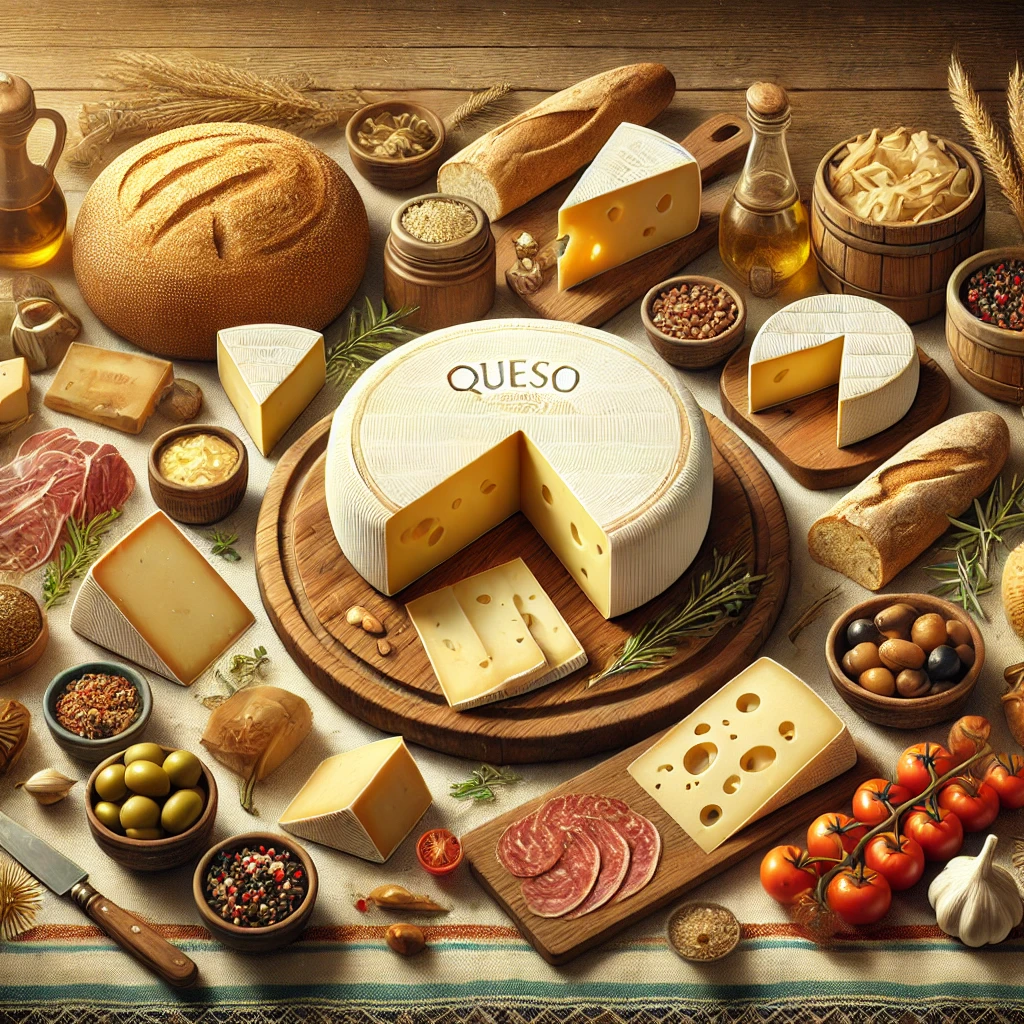
Tandil cheese is a star ingredient on these boards, typically served with:
-
cured meats
-
olives
-
breads
-
nuts
Empanadas de Queso
Grated Queso Tandil melts beautifully in empanadas without becoming watery.
Tartas (Savory Pies)
Popular in home kitchens, these pies benefit from the cheese’s smooth meltability.
Fugazzeta
This iconic stuffed Argentine pizza often includes semi-hard cheeses like Tandil.
⭐ Modern Uses
-
cheese-stuffed vegetables
-
sauces and gratins
-
fondue-style dips using aged Tandil
-
gourmet burgers
Queso Tandil’s adaptable nature makes it a favorite among chefs and home cooks alike.
🥂 Perfect Pairings for Queso Tandil
Food Pairings
-
cured meats (especially salame tandilense)
-
crusty bread and crackers
-
grilled vegetables
-
roasted nuts
-
honey or fruit preserves
Wine Pairings
| Wine | Why It Works |
|---|---|
| Malbec | complements cheese’s nuttiness |
| Torrontés | crisp acidity balances richness |
| Pinot Noir | light tannins enhance mild savory notes |
Beverage Pairings
-
craft beers
-
cider
-
sparkling water with lemon
These pairings highlight the cheese’s buttery and nutty character.
🧊 Storage & Shelf Life
Queso Tandil stores well due to its semi-hard texture.
Storage Tips
-
wrap in wax or parchment paper
-
keep in cheese drawer or cool refrigerator area
-
avoid airtight plastic (causes sweating)
Shelf Life
| Type | Duration |
|---|---|
| whole wheel | up to 3–4 months |
| cut slices | 3–4 weeks |
| grated | 1–2 weeks |
Letting the cheese rest at room temperature before serving enhances its aroma and flavor.
🌎 Queso Tandil vs Other Argentine Cheeses
| Cheese | Similarity | Difference |
|---|---|---|
| Reggianito | both aged | Reggianito is firmer, saltier |
| Pategrás | semi-hard | Pategrás is creamier |
| Sardo | strong flavor | Sardo is sharper & drier |
| Gouda Argentino | meltability | Gouda sweeter than Tandil |
Queso Tandil sits comfortably between mild and aged cheeses, offering broad appeal.
⭐ Cultural Importance
Queso Tandil is more than a regional specialty—it is part of local identity. The city of Tandil celebrates:
-
artisanal dairies
-
traditional cheese markets
-
annual festivals featuring local foods
-
tourism centered around gastronomy
Producers emphasize sustainable practices, animal welfare, and preserving family heritage.
This has helped position Tandil as one of Argentina’s most respected cheese regions.
⭐ Conclusion
Queso Tandil is a prime example of Argentina’s evolving cheese culture—rooted in rural tradition, shaped by European influence, and enriched by local terroir. Its mild yet expressive flavor, semi-hard texture, and melting versatility make it a favorite for both everyday cooking and gourmet experiences.
Whether enjoyed on a classic Argentine picada, melted into empanadas, or paired with a robust Malbec, Queso Tandil brings a taste of Argentina’s heartland to every bite.
FAQs – Queso Tandil
1. What milk is Queso Tandil made from?
Primarily cow’s milk from pasture-raised cattle in the Tandil region.
2. Is Queso Tandil a good melting cheese?
Yes—its balanced moisture and fat content make it excellent for melting in empanadas, pizzas, and gratins.
3. What does Queso Tandil taste like?
It is mildly tangy, buttery, and slightly nutty, with deeper flavors in aged versions.
4. How long is it aged?
Typically between 1 and 6 months.
5. Where can I buy Queso Tandil?
It is widely sold across Argentina and available internationally through specialty cheese importers.