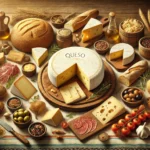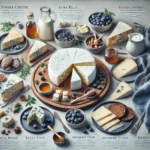

Cyprus, an island known for its sun-drenched landscapes, olive groves, and centuries-old culinary traditions, has gifted the world a variety of remarkable foods. Among these treasures is Anari, a soft, mild, and versatile cheese that has quietly earned its place in Cypriot kitchens and is now gaining global recognition. While Halloumi may steal the spotlight, Anari stands as its delicate, understated counterpart—beloved for its light flavor, nutritious profile, and incredible versatility.
Made from leftover whey during Halloumi production, Anari reflects the Cypriot philosophy of resourcefulness and respect for ingredients. Its mildness allows it to absorb flavors beautifully, while its creamy texture makes it suitable for both savory and sweet dishes. From breakfast tables to traditional pastries, Anari is a true celebration of Mediterranean simplicity and flavor.
This detailed guide explores the origins, production, taste, culinary uses, nutritional benefits, and pairings that make Anari cheese a unique Cypriot delicacy.
🧀 What Is Anari Cheese?
Anari is a fresh whey cheese traditionally made in Cyprus. It is soft, white, mild, and slightly sweet, somewhat similar to ricotta but with its own Mediterranean character.
Key Characteristics
| Feature | Description |
|---|---|
| Milk Base | Whey from sheep, goat, or cow’s milk |
| Texture | Soft, crumbly, or firm when dried |
| Flavor | Mild, lightly sweet, clean dairy taste |
| Color | Bright white |
| Forms | Fresh (soft), dried (hard/grated) |
| Fat Content | Lower than most cheeses |
Because it is made from whey—a byproduct of Halloumi—it is naturally lean and high in protein.
🌍 Origins & Cultural Importance
Anari has deep roots in Cypriot rural life. For generations, Cypriot cheesemakers crafted Anari as part of the Halloumi production cycle, ensuring no part of the milk went to waste.
Cultural Significance
-
A traditional breakfast food across Cyprus
-
Used in iconic desserts such as bourekia and anari pastries
-
A staple in village homes due to its affordability
-
Valued for its high nutrition and versatility
Though once considered a humble cheese, Anari has grown in popularity as global food culture embraces traditional Mediterranean diets.
🧀 Types of Anari Cheese
Anari comes in two main forms, each offering unique culinary possibilities.
1. Fresh Anari (Soft)
-
moist, creamy, and spreadable
-
mild flavor perfect for sweet dishes
-
similar to ricotta but usually less grainy
-
often sold in tubs or blocks
2. Dried Anari (Aged)
-
firm and crumbly
-
salted or unsalted
-
can be grated like Parmesan
-
stronger flavor with nutty undertones
Dried Anari is especially beloved in Cypriot pasta dishes.
🥛 How Anari Is Made
The traditional production method highlights Cypriot cheesemaking ingenuity.
1. Halloumi Production
Anari begins where Halloumi ends—after the curds have been removed from milk to form Halloumi.
2. Heating the Whey
The leftover whey is reheated, often with some added milk for richness.
3. Curd Formation
As the whey heats, fine curds rise to the surface.
4. Scooping & Draining
These delicate curds are collected and placed in perforated molds or cloth to drain.
5. Salting (Optional)
A light sprinkle of salt enhances flavor for savory uses.
6. Drying or Aging (Optional)
For dried Anari, the cheese is:
-
salted
-
sun-dried or aged
-
turned frequently to form an even hard texture
This simple process yields a cheese that is pure, nutritious, and deeply connected to Cypriot tradition.
🧂 Taste & Texture Profile
Anari’s flavor and texture make it ideal for both beginners and seasoned cheese lovers.
Fresh Anari
-
taste: mild, creamy, slightly sweet
-
texture: soft, spreadable, moist
Dried Anari
-
taste: salty, nutty, slightly tangy
-
texture: hard, crumbly, ideal for grating
Fresh Anari excels in desserts, while dried Anari elevates savory dishes.
🍽 Culinary Uses in Cyprus
1. Breakfast Spread
Fresh Anari is commonly enjoyed with:
-
honey
-
jam
-
olive oil
-
fresh herbs
-
crusty bread
2. Traditional Pastries
Anari is the star of several Cypriot sweets:
-
Bourekia me Anari (sweet-filled pastries)
-
Flaounes (Easter cheese pastries)
-
Anari pies
3. Savory Dishes
Dried Anari is grated over:
-
pasta
-
soups
-
stews
-
roasted vegetables
It adds a gentle saltiness and nutty depth similar to aged cheeses.
4. Modern Cooking
Anari adapts easily to contemporary recipes:
-
smoothies and parfaits
-
cheesecake alternatives
-
salads
-
stuffed vegetables
-
dips and spreads
Its mild profile allows it to pair effortlessly with Mediterranean ingredients.
🌱 Nutritional Benefits
Anari is one of the healthiest cheeses available due to its whey-based composition.
Health Advantages
-
low in fat (especially unsalted fresh Anari)
-
high in protein, ideal for athletes
-
rich in calcium
-
easily digestible
-
low sodium if unsalted
Its nutritional profile aligns perfectly with the Mediterranean diet.
🥂 Best Pairings
Foods
-
fresh fruit: figs, grapes, dates
-
nuts: almonds, walnuts
-
bread, rusks, or pita
-
cucumbers and tomatoes
Drinks
| Beverage | Why It Works |
|---|---|
| Cypriot coffee | balances Anari’s creaminess |
| Herbal teas | refreshing, light complement |
| White wine (Xynisteri) | crisp acidity |
| Rosé | pairs well with both fresh and dried forms |
🧊 Storage & Shelf Life
Fresh Anari
-
keep refrigerated
-
consume within 3–5 days
-
store in a sealed container
Dried Anari
-
lasts several weeks refrigerated
-
best stored wrapped in breathable material
-
grate only as needed to preserve freshness
🌍 Anari vs Other Mediterranean Cheeses
| Cheese | Similarity | Difference |
|---|---|---|
| Ricotta | both whey cheeses | Anari is less grainy and slightly sweeter |
| Mizithra | Greek whey cheese | Mizithra is often saltier |
| Halloumi | same production cycle | Halloumi is firm and grillable; Anari is soft |
| Manouri | Greek soft cheese | Manouri is richer and creamier |
Anari stands out for being light, balanced, and extremely versatile.
⭐ Cultural Importance
Anari represents:
-
sustainability (use of whey)
-
culinary heritage
-
everyday Cypriot life
-
festive pastry traditions
While modern diets celebrate Anari for health reasons, Cypriots have treasured it for generations because of its comforting simplicity and adaptability.
⭐ Conclusion
Anari cheese from Cyprus is a true Mediterranean gem—light, nourishing, and endlessly versatile. Whether enjoyed fresh with honey, baked into pastries, or sprinkled as a grated topping, Anari showcases the heart of Cypriot culinary tradition.
Its delicate flavor, unique production process, and nutritional value make it a standout cheese not only in Cyprus but across global gourmet circles. For food lovers seeking a gentle yet flavorful cheese, Anari offers an unforgettable taste of Cypriot heritage.
FAQs – Anari Cheese
1. Is Anari the same as ricotta?
No, although similar, Anari is smoother, slightly sweeter, and less grainy.
2. Can you cook with Anari?
Yes! Use fresh Anari in pastries and spreads, and dried Anari for grating over savory dishes.
3. Is Anari healthy?
Very—it’s low in fat and high in protein, making it ideal for balanced diets.
4. Does Anari melt?
Fresh Anari softens but does not fully melt; dried Anari behaves like a grating cheese.
5. What milk is used?
Whey from sheep or goat milk is traditional, but cow’s milk variations also exist.