Albania’s mountainous landscapes, pastoral heritage, and deep-rooted dairy traditions have given rise to a remarkable variety of cheeses. Among them, Djathe i Koshës stands out as one of the country’s most traditional and culturally rich cheeses. Handcrafted using centuries-old methods, this cheese embodies the essence of Albania’s rural life—where fresh milk, natural fermentation, and artisanal skill come together to create a product of exceptional purity and taste.
While not as internationally famous as feta or halloumi, Djathe i Koshës is gaining recognition among cheese lovers seeking authentic and lesser-known specialties. Its rustic charm, creamy texture, and distinctive aroma make it a prized cheese in Albanian households and an emerging favorite in Balkan cuisine.
This comprehensive guide explores the origins, production, taste profile, regional variations, culinary uses, pairings, storage tips, and cultural significance of Djathe i Koshës—offering a rich introduction to one of Albania’s most cherished dairy treasures.
🧀 What Is Djathe i Koshës?
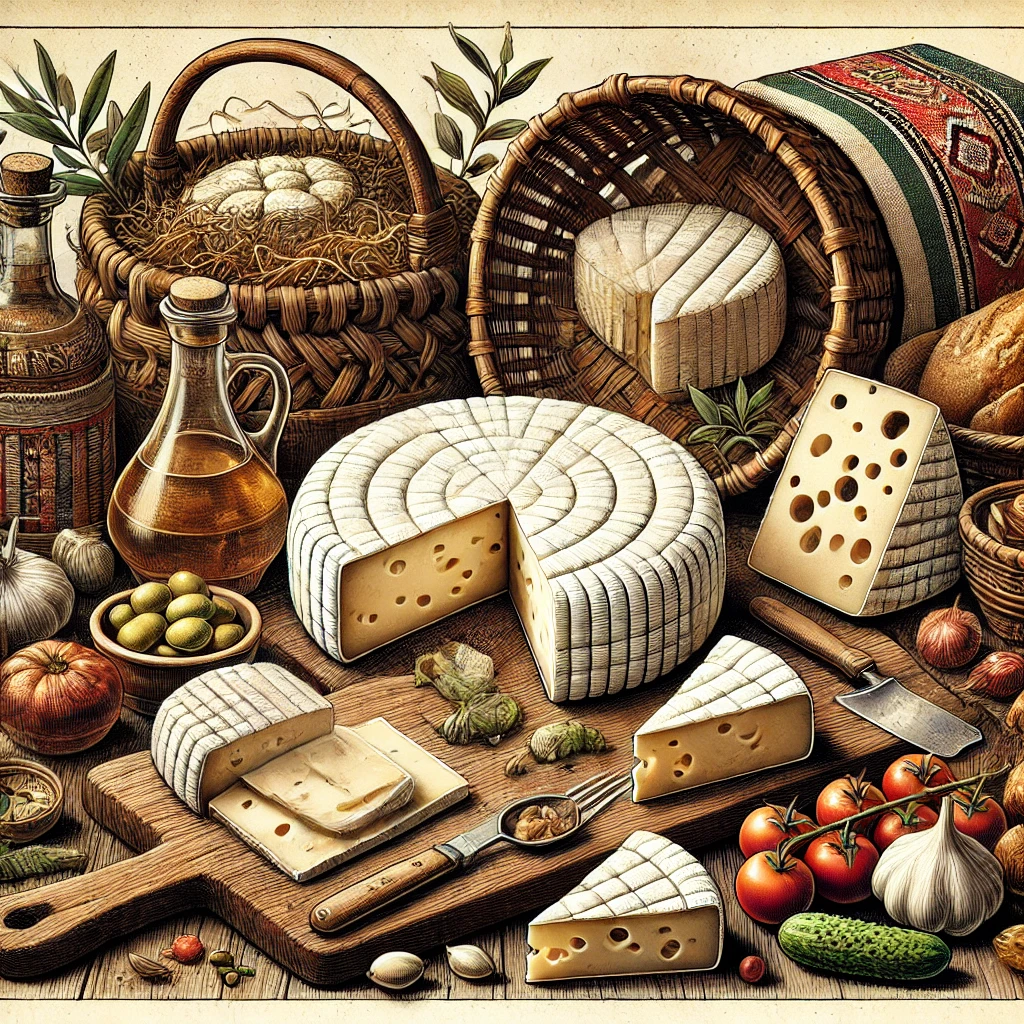
Djathe i Koshës literally translates to “basket cheese” in Albanian. It gets its name from the traditional method of forming and draining the cheese inside a woven basket (koshë). This creates the cheese’s signature ridged exterior and helps shape its soft-to-firm texture.
Key Characteristics
| Feature | Description |
|---|---|
| Milk | Sheep, goat, cow, or mixed milk |
| Type | Fresh to semi-aged cheese |
| Texture | Smooth, creamy, slightly firm |
| Flavor | Tangy, mildly salty, rich |
| Shape | Round or oval, with basket imprints |
| Production | Artisanal, small-scale farmhouse cheese |
| Use | Table cheese, cooking, grilling, salads |
Djathe i Koshës shares similarities with other Mediterranean white cheeses but remains distinct due to its specific preparation method, terroir, and Albanian pastoral culture.
🌄 Origins & Cultural Significance
The tradition of basket cheeses is ancient in Albania, especially in rural and mountainous regions such as:
-
northern areas near Shkodër and Tropojë
-
central highlands of Dibër
-
southern regions like Gjirokastër and Përmet
Cultural Importance
-
Symbol of Albanian rural identity: produced in farmhouses using local milk.
-
Passed down through generations: cheesemaking knowledge is transmitted from parent to child.
-
Part of festive and daily meals: served at weddings, religious events, and family gatherings.
-
Linked to pastoral life: reflects Albania’s long history of shepherding and mountain agriculture.
🥛 How Djathe i Koshës Is Made
The unique production method is what makes this cheese so distinctive. While recipes vary slightly, the artisanal process remains deeply rooted in tradition.
1. Collecting Fresh Milk
High-quality raw milk from sheep or goats is preferred due to its richness and aromatic profile.
2. Heating the Milk
Milk is warmed gently to encourage natural bacterial activity.
3. Coagulation
Natural rennet (traditionally from lamb or goat) is added to thicken the milk into curds.
4. Cutting the Curds
The curds are sliced to release whey, a crucial step in determining the cheese’s final texture.
5. Basket Draining (Koshë Method)
Curds are spooned into straw, wicker, or plastic baskets.
This step:
-
creates drainage grooves
-
gives the cheese its iconic outer pattern
-
forms its round shape
6. Pressing
The cheese is lightly pressed to remove excess whey.
7. Salting
Salt is added either:
-
directly into the curds,
-
or by rubbing the cheese surface.
Salt enhances flavor and extends shelf life.
8. Fresh or Aged
-
Fresh Djathe i Koshës is soft, mild, and creamy.
-
Aged versions become firmer, saltier, and more complex.
The result is a cheese that captures the essence of Albanian mountain pastures.
🧂 Taste & Texture Profile
Djathe i Koshës is beloved for its balanced flavor and versatility.
Flavor Notes
-
pleasantly tangy
-
mildly salty
-
creamy, with subtle herbal tones
-
richer when made from sheep’s milk
The cheese’s natural acidity gives it a refreshing, appetizing quality.
Texture Notes
-
smooth yet firm
-
sliceable, not crumbly
-
creamy when fresh
-
slightly grainy when aged
The basket drainage method influences texture by shaping the curd structure.
🌿 Varieties & Regional Differences
Although the core method is similar across Albania, each region offers its own twist.
| Region | Characteristics | Notes |
|---|---|---|
| North Albania | stronger flavor, often sheep milk | linked to robust mountain grazing |
| Central Albania | balanced taste, mixed milk | common in family farms |
| South Albania | milder, sometimes aged longer | influenced by Mediterranean climate |
Some regions also smoke the cheese lightly for extra depth.
🍽 Culinary Uses in Albanian Cuisine
Djathe i Koshës plays a central role in traditional and modern Albanian dishes.
⭐ Classic Uses
1. Table Cheese
Served with:
-
olives
-
tomatoes
-
bread
-
olive oil
A staple in daily meals.
2. Grilled Cheese
The semi-firm texture makes it ideal for grilling or pan-searing.
3. Cheese Pies (Byrek me Djathë)
Crumbling or slicing Djathe i Koshës adds richness to Albania’s beloved cheese pastry.
4. Stuffed Vegetables
Used in:
-
peppers
-
eggplants
-
tomatoes
5. Salads
Fresh versions pair beautifully with cucumbers, herbs, and greens.
⭐ Modern & Fusion Uses
-
pizza toppings
-
pasta dishes
-
cheese boards
-
sandwiches and wraps
-
with honey or fig jam
Its mild tang complements both savory and sweet elements.
🥂 Best Pairings for Djathe i Koshës
Food Pairings
| Food | Why It Works |
|---|---|
| Olives | briny contrast |
| Fresh herbs | brighten the tang |
| Tomatoes | acidity complements richness |
| Honey | sweet-salty balance |
| Grilled vegetables | smoky and earthy flavors |
Beverage Pairings
-
crisp white wines (Sauvignon Blanc, Retsina)
-
light red wines (Pinot Noir, Balkan varieties)
-
raki or ouzo-style spirits
-
herbal teas
The cheese’s tangy profile pairs best with refreshing drinks.
🧊 Storage & Shelf Life
Proper storage ensures the cheese stays safe and tasty.
Storage Guidelines
-
refrigerate fresh cheese in a breathable container
-
for longer storage, keep in light brine
-
avoid airtight plastic for fresh varieties
-
aged cheese can be wrapped in cheese paper
Shelf Life
| Type | Duration |
|---|---|
| Fresh | 3–5 days |
| Lightly aged | 7–14 days |
| In brine | up to 3 weeks |
For best flavor, consume fresh varieties within a few days.
🌍 Comparison with Other Mediterranean Cheeses
| Cheese | Region | Similarity | Difference |
|---|---|---|---|
| Feta | Greece | tangy, white cheese | feta is crumblier & saltier |
| Halloumi | Cyprus | good for grilling | halloumi is firmer |
| Ricotta Salata | Italy | firm white cheese | different coagulation & drying |
| Sirene | Balkans | salty & white | Djathe i Koshës is often creamier |
Djathe i Koshës remains unique due to its basket mold and Albanian terroir.
⭐ Conclusion
Djathe i Koshës is one of Albania’s treasured dairy products—an artisanal cheese that captures the simplicity, purity, and tradition of Albanian rural life. From its basket-shaped exterior to its tangy, creamy flavor, this cheese embodies the craftsmanship of generations of shepherds and cheesemakers.
Whether enjoyed fresh with bread and olives, grilled to golden perfection, or incorporated into hearty Albanian dishes, Djathe i Koshës offers a taste of Albania’s mountainous soul. As global interest in traditional cheeses grows, this rustic Albanian delicacy stands ready to gain the recognition it deserves.
FAQs – Djathe i Koshës Cheese
1. What milk is used to make Djathe i Koshës?
Sheep, goat, cow, or a blend—depending on the region and season.
2. What makes this cheese unique?
Its basket-draining method gives it a distinct texture and patterned exterior.
3. Can it be grilled?
Yes! Semi-aged versions grill beautifully without melting.
4. Is it similar to feta?
It shares some traits but is generally creamier and less crumbly.
5. Where can I buy Djathe i Koshës?
Mostly from Albanian markets, small dairies, or specialty Balkan food stores.