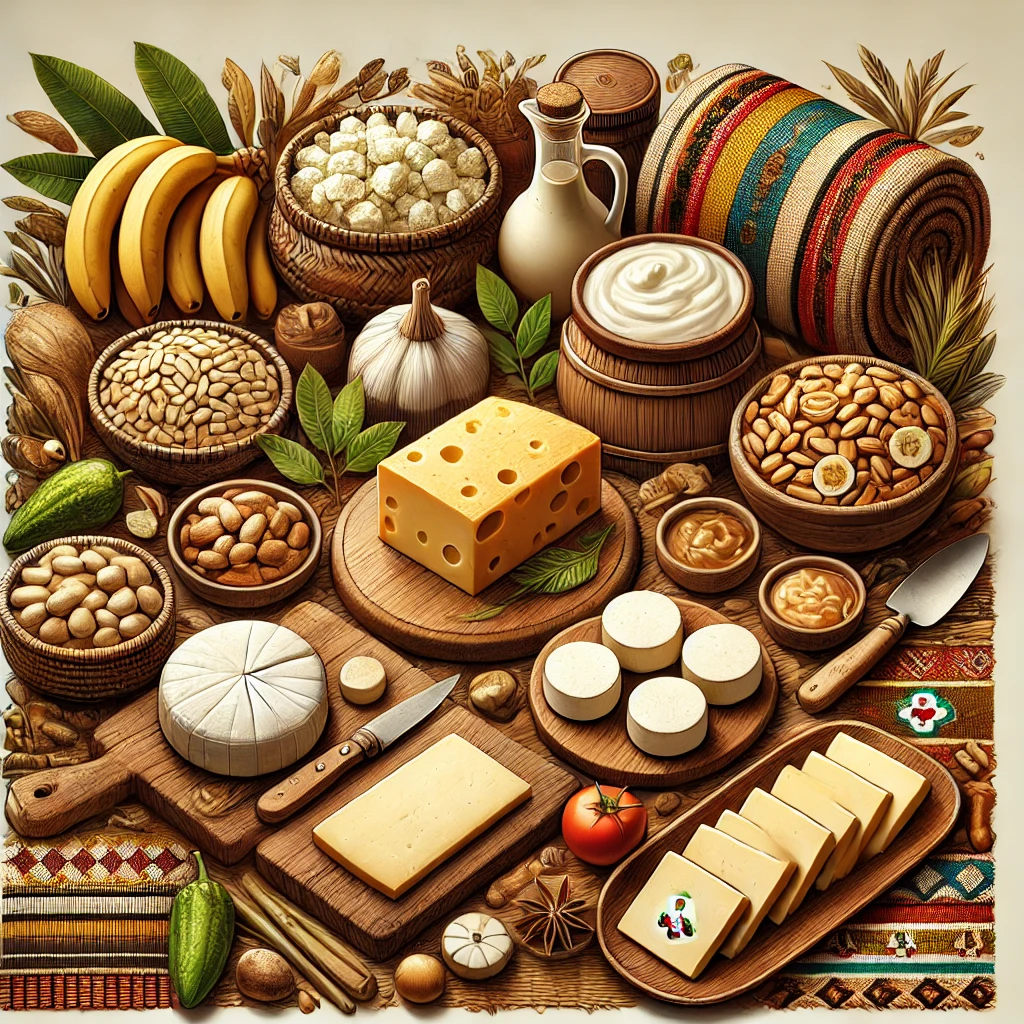
Burundi, a small yet culturally rich nation in East Africa, is known for its rolling hills, vibrant food traditions, and deep agricultural heritage. Among its lesser-known but deeply rooted culinary gems is Uburobe, a traditional Burundian cheese that reflects the country’s pastoral lifestyle and artisanal dairy craftsmanship. While Burundi is not typically recognized as a global cheese producer, its rural communities have cultivated cheese-making practices for generations—resulting in unique dairy products like Uburobe that deserve a place on the international food map.
This guide explores the origins, production, flavor profile, cultural significance, culinary uses, and pairings of Uburobe cheese. Whether you’re a food enthusiast, a chef exploring global cheeses, or someone curious about East African culinary traditions, this article offers a complete, engaging look at this remarkable Burundian delicacy.
🧀 What Is Uburobe Cheese?
Uburobe is a traditional soft-to-semi-soft cheese from Burundi, typically made in rural households using fresh cow’s milk. The cheese is crafted using minimal equipment and simple techniques that rely on natural fermentation and artisanal skill.
Key Characteristics
| Feature | Description |
|---|---|
| Milk | Usually cow milk |
| Texture | Soft, slightly elastic, sometimes crumbly |
| Flavor | Mild, tangy, fresh |
| Color | White to pale cream |
| Production | Handmade, rural, small-scale |
| Seasoning | Often lightly salted or smoked |
Uburobe is not standardized industrially—its texture and flavor vary according to region, milk quality, and traditional family methods.
🌄 Origins & Cultural Significance
Burundi’s cheese-making traditions have long been shaped by pastoral life, particularly in regions where cattle herding plays a central role. Uburobe reflects the rural ingenuity of communities who needed ways to preserve milk for longer periods without refrigeration.
Cultural Significance
-
Symbol of hospitality: Uburobe is often served to guests as a gesture of respect.
-
Rural heritage: It is produced mainly in home kitchens or small farms.
-
Nutritional value: Provides an important protein source for families relying on dairy.
-
Culinary identity: Though globally unknown, Uburobe holds a cherished place in Burundian food culture.
Cheese-making is passed down through generations, preserving ancestral techniques and local culinary wisdom.
🥛 How Uburobe Cheese Is Made
Uburobe production is deeply artisanal and varies from one household to another. However, several core steps define the process.
1. Fresh Milk Collection
High-quality cow’s milk is gathered, often from free-grazing cattle that feed on Burundi’s lush pastures.
2. Natural or Added Coagulation
Curdling occurs through:
-
natural souring (traditional method),
-
addition of acidic agents (e.g., lemon juice), or
-
rennet in some regions.
3. Separation of Curds and Whey
Once the milk thickens, curds form and begin separating naturally from the whey.
4. Draining the Curds
Curds are placed in cloth sacks, baskets, or perforated containers to drain excess whey. The duration determines the final texture.
5. Pressing and Shaping
Some versions are lightly pressed to form a firmer cheese wheel.
6. Salting
Salt is added to enhance flavor and aid preservation.
7. Optional Smoking or Drying
Certain regions smoke the cheese for added aroma and improved shelf life.
The result is a fresh, rustic cheese with a natural flavor profile reflective of traditional Burundian dairy practices.
🧂 Taste & Texture Profile
Uburobe is appreciated for its gentle, approachable flavor, making it popular across different age groups and culinary uses.
Flavor Notes
-
mild and milky
-
pleasant tanginess
-
slight earthiness depending on fermentation
-
clean and fresh finish
Texture Notes
-
soft and moist when fresh
-
firmer and slightly crumbly when aged
-
elastic and chewy when lightly smoked
This simple yet satisfying profile makes Uburobe highly versatile.
🌿 Regional Variations of Uburobe
Because Burundi’s cheese-making practices differ from village to village, Uburobe exists in multiple forms:
⭐ 1. Fresh Uburobe
-
soft, creamy
-
eaten within days
-
often paired with porridge or local bread
⭐ 2. Semi-Aged Uburobe
-
slightly firmer
-
tangier flavor
-
lasts longer without refrigeration
⭐ 3. Smoked Uburobe
-
enhanced aroma
-
brownish exterior
-
ideal for grilling
⭐ 4. Salted Uburobe
-
improved preservation
-
used in cooking or as a topping
These variations highlight Burundi’s diverse cheese-making landscape.
🍽 Culinary Uses in Burundian Cuisine
Uburobe plays a subtle yet meaningful role in the local diet.
⭐ Traditional Uses
1. Served with Ugali or Porridge
The mild tanginess balances starchy local staples.
2. Paired with Chapati or Mandazi
Adds creaminess to common homemade breads.
3. Used in Stews or Sauces
Uburobe melts lightly, enriching broths and vegetable dishes.
4. Eaten Fresh as a Snack
Simple, nutritious, and refreshing.
⭐ Modern & Creative Uses
As Burundian cuisine evolves, Uburobe finds its way into:
-
salads
-
sandwiches
-
stuffed vegetables
-
fusion pasta dishes
-
grilled cheese recipes
Uburobe’s gentle flavor makes it a great alternative to fresh cheeses like paneer, queso fresco, or ricotta.
🥂 Best Pairings for Uburobe
Because Uburobe has a mild, versatile flavor, it pairs beautifully with both traditional African foods and global ingredients.
Food Pairings
| Food | Why It Works |
|---|---|
| Sweet bananas | balances tanginess |
| Fresh tomatoes | brightens flavor |
| Grilled vegetables | complements smoky notes |
| Honey | creates sweet-savory harmony |
| Beans & legumes | adds creaminess |
Beverage Pairings
-
herbal teas
-
light beers
-
palm wine or banana wine (regional beverages)
-
citrus-infused water
-
mild white wines for fusion cuisine
These combinations highlight the cheese’s clean dairy profile.
🧊 Storage & Shelf Life
Uburobe is delicate and requires proper storage for freshness.
Storage Tips
-
refrigerate fresh cheese immediately
-
wrap in cloth or parchment to let it breathe
-
avoid airtight plastic for long storage
-
smoked Uburobe keeps longer at room temperature
Shelf Life
| Type | Duration |
|---|---|
| Fresh Uburobe | 2–4 days |
| Semi-aged | up to 1 week |
| Smoked | 1–2 weeks |
🌍 Uburobe vs Other African Cheeses
| Cheese | Country | Similarity | Difference |
|---|---|---|---|
| Wagashi | Benin | fresh curd cheese | firmer and often fried |
| Gibna Bayda | Sudan | white, mild | saltier, brined |
| Karish | Egypt | soft, tangy | more crumbly |
| Areesh | Middle East/North Africa | fresh, rustic | sometimes yogurt-based |
Uburobe remains unique due to its natural fermentation and minimalist preparation.
⭐ Cultural Importance Today
Uburobe represents:
-
Burundi’s agrarian identity
-
household craftsmanship
-
nutritional sustenance for rural communities
-
resilience through locally sustainable food practices
As global awareness increases, Uburobe may soon join the list of world-recognized artisanal cheeses.
⭐ Conclusion
Uburobe cheese is a true reflection of Burundi’s culinary soul—simple, flavorful, and rooted in tradition. Made through natural, small-scale processes, it captures the richness of Burundian milk and the artisanal skill of rural cheesemakers. Whether enjoyed fresh with local porridges, smoked and grilled, or incorporated into modern fusion dishes, Uburobe stands out as an authentic East African dairy treasure.
As interest in global and artisanal cheeses grows, Uburobe offers a unique experience for food lovers searching for flavors off the beaten path. Its gentle tanginess, soft texture, and cultural significance make it a cheese worth celebrating and preserving.
FAQs – Uburobe Cheese
1. What is Uburobe cheese?
A traditional Burundian cheese made from cow’s milk, known for its mild, tangy flavor and soft texture.
2. How is Uburobe traditionally prepared?
It is made through natural fermentation, draining, light pressing, and sometimes smoking.
3. Is Uburobe similar to any other cheese?
It resembles fresh cheeses like paneer or queso fresco but has a more natural tang from fermentation.
4. How do people eat Uburobe in Burundi?
With porridge, chapati, stews, or as a fresh snack.
5. Can Uburobe be grilled?
Yes—smoked or semi-firm versions grill nicely without melting excessively.