Botswana is known for its wide savannas, pastoral landscapes, and deep-rooted cattle culture. Among its many traditional foods, one dairy-based specialty stands out for its rustic simplicity and cultural significance: Mabele cheese. Although lesser-known outside southern Africa, Mabele cheese represents an enduring piece of Botswana’s culinary heritage—reflecting the creativity of rural communities who developed ways to preserve milk long before modern refrigeration.
This guide explores the origins, production, taste profile, cultural value, culinary uses, pairings, and modern relevance of Mabele cheese. Whether you’re a cheese enthusiast, a researcher of African food traditions, or simply curious about Botswana’s gastronomy, this comprehensive article will introduce you to a remarkable yet underappreciated dairy treasure.
🧀 What Is Mabele Cheese?
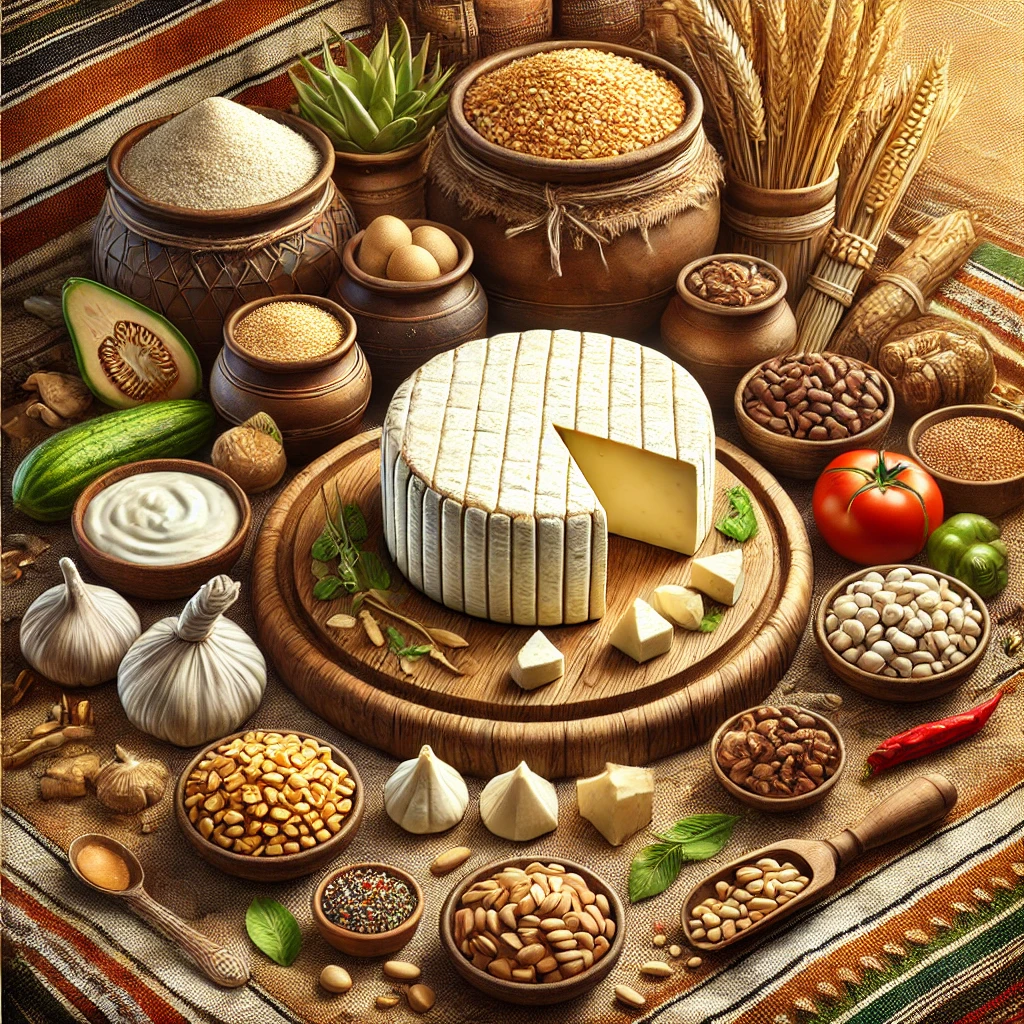
Mabele cheese is a traditional Botswanan cheese, typically made using naturally fermented milk. The word mabele in Setswana often refers to sorghum, a staple grain in Botswana, and while Mabele cheese itself is a dairy product, it is named for its close association with the staple foods served alongside it.
Key Characteristics
| Feature | Description |
|---|---|
| Type | Fresh, fermented cheese |
| Milk | Primarily cow’s milk |
| Texture | Soft, crumbly, sometimes slightly grainy |
| Flavor | Tangy, earthy, mild-to-sharp depending on fermentation |
| Color | Off-white to pale cream |
| Production | Artisanal and rural |
This cheese is not industrially standardized—each household or community may produce their own version, resulting in subtle variations in texture, flavor, and aroma.
🌄 Origins & Cultural significance
The tradition of making Mabele cheese is closely connected to Botswana’s pastoral lifestyle. Cattle are central to Setswana culture, symbolizing:
-
wealth
-
family heritage
-
prosperity
-
social status
Milk, therefore, has long been valued, and the need to preserve it in the country’s hot climate encouraged the development of cheeses and fermented dairy products.
Cultural Importance of Mabele Cheese
-
Preservation method: transforms milk into a longer-lasting, nutritious food
-
Staple accompaniment: often served with sorghum porridge or maize meal
-
Rural identity: produced in homesteads using ancestral techniques
-
Community food: shared during gatherings, ceremonies, and daily meals
Mabele cheese represents the harmony between Botswana’s agriculture, climate, and culinary ingenuity.
🥛 How Mabele Cheese Is Made
Traditional production methods are simple yet effective, relying on natural bacterial cultures and minimal equipment.
1. Milk Fermentation
Fresh cow’s milk is left to ferment naturally over several hours or days. This process:
-
thickens the milk
-
increases acidity
-
helps preserve the milk in hot climates
Some families use clay pots, which impart earthy notes.
2. Curd Separation
Once fermentation is complete, the milk naturally separates into:
-
curds (solid proteins)
-
whey (liquid)
The curds are collected for cheese-making.
3. Draining & Pressing
The curds are placed inside cloth bags, woven baskets, or perforated containers to drain excess whey.
4. Light Pressing
To shape the cheese and achieve firmness, gentle pressure is applied.
5. Optional Salting or Drying
Some regions add a small amount of salt or slightly dry the cheese under shade for better preservation.
6. Final Texture
The result is a soft, slightly crumbly cheese with a tangy, clean flavor.
Each batch reflects the local microflora, giving Mabele cheese its unique personality.
🧂 Taste & Texture Profile
Mabele cheese offers a refreshing yet rustic flavor that appeals to lovers of fresh, naturally fermented dairy.
Flavor Notes
-
bright tanginess
-
subtle earthiness
-
mild creaminess
-
occasionally sharp depending on fermentation duration
Texture Notes
-
tender and moist
-
crumbly or grainy
-
somewhat elastic when freshly made
The natural fermentation process gives Mabele cheese a complexity similar to yogurt cheeses found in other regions.
🍽 Culinary Uses in Botswana
Mabele cheese plays a beloved role in Botswana’s daily cuisine and traditional meals.
⭐ 1. Served with Sorghum (Bogobe jwa Mabele)
This is the most iconic pairing. The cheese balances the hearty, earthy flavor of sorghum porridge.
⭐ 2. Side Dish for Meat Dishes
Common in Setswana meals:
-
grilled beef (seswaa)
-
goat meat stews
-
chicken dishes
The cheese brings acidity that cuts through rich, savory flavors.
⭐ 3. Filling for Snacks
Some modern cooks incorporate Mabele cheese in:
-
fried dumplings
-
savory pastries
-
flatbreads
⭐ 4. Breakfast or Light Meal
Paired with:
-
fruit
-
honey
-
millet bread
It becomes a nutritious morning dish.
⭐ 5. Ingredient in Contemporary Fusion Cuisine
Chefs experimenting with African cuisines use Mabele cheese in:
-
salads
-
gourmet grains
-
stuffed vegetables
-
tasting menus featuring regional flavors
Its tanginess makes it versatile.
🥂 Pairings: What Goes Best with Mabele Cheese?
Food Pairings
| Food | Why it works |
|---|---|
| Sorghum porridge | traditional, complementary textures |
| Maize meal (pap) | neutral flavor enhances tanginess |
| Honey | balances acidity |
| Grilled beef | cuts through richness |
| Beans or legumes | adds creaminess |
Beverage Pairings
-
rooibos tea
-
light beers
-
traditional fermented drinks
-
sparkling water
-
mild white wines (if desired)
The simplicity of Mabele cheese invites refreshing beverage pairings.
🧊 Storage & Shelf Life
Because Mabele cheese is fresh and lightly fermented, proper storage is essential.
Fresh Mabele cheese:
-
lasts 2–4 days without refrigeration
-
lasts 5–7 days in the refrigerator
-
should be kept in breathable containers
Semi-dried versions:
-
can last 1–2 weeks
-
retain more firmness and acidity
Avoid:
-
airtight plastic bags (may trap moisture)
-
freezing (alters texture significantly)
🌍 Mabele Cheese Compared to Other African Fresh Cheeses
| Cheese | Country | Similarity | Main Difference |
|---|---|---|---|
| Amasi | Southern Africa | fermented milk product | typically enjoyed as a drink or yogurt |
| Gibna Beida | Sudan | soft white cheese | brined and saltier |
| Wagashi | Benin | fresh curd cheese | firmer, often fried |
| Areesh | Egypt | fresh, light cheese | made from yogurt curds |
Mabele cheese stands out for its natural fermentation and pairing with sorghum, a unique regional staple.
🌱 Future of Mabele Cheese in Botswana
As Botswana invests in agribusiness and food diversification, Mabele cheese is gaining renewed attention.
Growth opportunities:
-
artisanal cheese markets
-
regional food festivals
-
culinary tourism
-
modern packaged dairy products
-
farm-to-table promotion
By embracing tradition while innovating, Botswana has the potential to elevate Mabele cheese as a signature product of southern Africa.
⭐ Conclusion
Mabele cheese is more than just a traditional dairy product — it is a reflection of Botswana’s heritage, agricultural ingenuity, and deep connection to cattle culture. With its tangy taste, rustic texture, and versatile culinary uses, it offers a unique window into the everyday foodways of the Setswana people.
As global interest in African cuisine continues to grow, Mabele cheese stands poised to be discovered by new audiences seeking authentic, natural, and culturally rich foods. Whether enjoyed with sorghum porridge, incorporated into contemporary dishes, or savored on its own, this cheese remains a cherished taste of Botswanan tradition.
FAQs – Mabele Cheese (Botswana)
1. What is Mabele cheese?
A traditional fermented cheese from Botswana made from cow’s milk, known for its tangy and crumbly texture.
2. Is Mabele cheese salty?
Not usually. It is lightly salted or completely unsalted depending on the producer.
3. How is Mabele cheese typically eaten?
Often with sorghum porridge, maize meal, meat dishes, or as a snack.
4. Does Mabele cheese melt?
It softens when heated but does not melt like mozzarella or cheddar.
5. Can Mabele cheese be stored long-term?
Fresh versions last a few days, while semi-dried versions can last up to two weeks.