
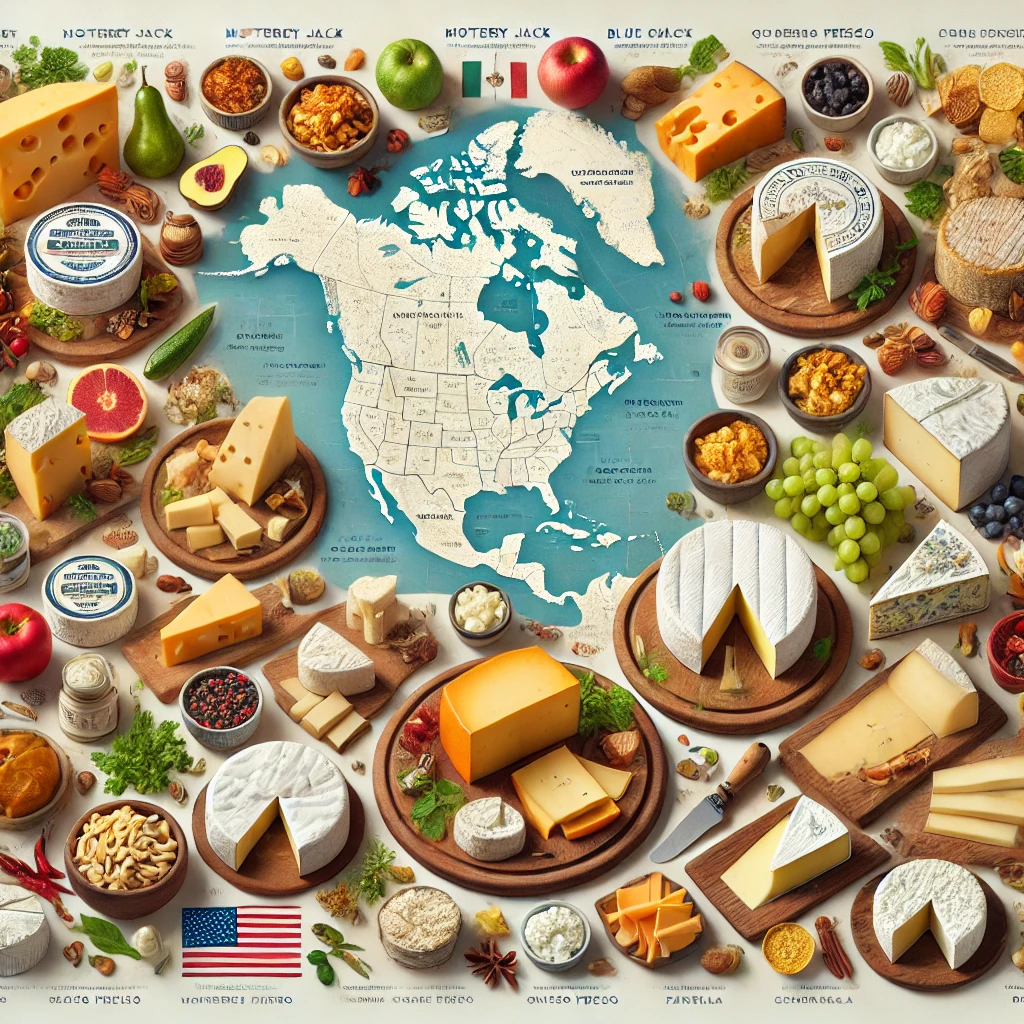
North America is one of the most dynamic cheese-producing regions in the world. Stretching from the cold pastures of Canada to the warm landscapes of Mexico, the continent offers an extraordinary range of cheeses shaped by geography, culture, and innovation. North American cheese reflects both deep European heritage and bold modern creativity, making it a powerhouse in the global dairy scene.
Unlike regions bound by centuries-old rules, North American cheesemakers embrace experimentation. Traditional European styles coexist with entirely new creations, resulting in unmatched diversity in texture, flavor, and use.
Historical Roots of Cheese in North America
Cheese-making in North America began with European settlers who brought dairy animals and techniques from France, England, Spain, and the Netherlands. Over time, these methods were adapted to new climates and local ingredients.
In the 19th and 20th centuries, industrialization made cheese widely accessible, while the late 20th century saw a revival of artisan and farmstead cheese production. Today, North America is home to thousands of cheesemakers producing both traditional and innovative cheeses.
Milk Types Used in North American Cheese
North American cheeses are made from a variety of milk sources, each contributing distinct characteristics.
Cow’s Milk
The most widely used milk, producing cheeses that range from mild and creamy to sharp and aged.
Goat’s Milk
Popular for its tangy flavor and digestibility, used in both fresh and aged cheeses.
Sheep’s Milk
Rich and buttery, often reserved for specialty and artisanal cheeses.
Mixed Milk
Some producers combine milk types for complex flavor profiles.
Cheese Regions of North America
United States
The United States is the largest cheese producer in North America and one of the most innovative.
Key regions include:
-
Wisconsin: Cheddar, Colby, Jack
-
California: Artisan and organic cheeses
-
Vermont: Farmstead cheddar and goat cheese
-
Oregon & Washington: Washed-rind and blue cheeses
American cheesemakers are known for creative aging techniques and bold flavor experimentation.
Canada
Canada blends European tradition with strict quality standards.
Notable regions:
-
Quebec: Soft-ripened and washed-rind cheeses
-
Ontario: Cheddar and alpine-style cheeses
-
British Columbia: Artisan and organic varieties
Canadian cheeses often focus on balance, elegance, and refined aging.
Mexico
Mexico’s cheese tradition is deeply rooted in local cuisine.
Popular Mexican cheeses include:
-
Queso fresco
-
Oaxaca
-
Cotija
-
Panela
Mexican cheeses are typically fresh, mild, and designed for cooking rather than aging.
Famous North American Cheeses
Cheddar
Originally British, Cheddar has become a North American staple.
Flavor: Mild to sharp
Uses: Sandwiches, sauces, snacking
Monterey Jack
A semi-soft cheese from California.
Flavor: Mild and buttery
Uses: Melting, Mexican-inspired dishes
Colby
Developed in Wisconsin, softer and milder than Cheddar.
Flavor: Gentle and creamy
Uses: Snacking and melting
Oaxaca
A Mexican pasta filata cheese similar to mozzarella.
Flavor: Mild and milky
Uses: Melting in quesadillas and tacos
Texture and Aging Styles
| Style | Texture | Examples |
|---|---|---|
| Fresh | Soft, moist | Queso fresco, ricotta |
| Semi-Soft | Elastic | Monterey Jack |
| Semi-Hard | Sliceable | Cheddar, Colby |
| Hard | Firm, aged | Aged cheddar |
| Blue | Creamy or crumbly | American blue cheeses |
North America’s flexibility allows for wide variation within each category.
Flavor Profiles of North American Cheese
North American cheeses span a broad spectrum:
-
Mild and creamy
-
Sharp and tangy
-
Nutty and buttery
-
Smoky and spicy
Artisan producers often use unique cultures, smoke, or aging environments to create signature flavors.
Traditional and Modern Uses
Traditional Uses
-
Sandwiches
-
Mac and cheese
-
Burgers
-
Nachos
Modern Culinary Uses
-
Gourmet cheese boards
-
Fine dining recipes
-
Fusion cuisine
-
Specialty desserts
Cheese is central to both everyday meals and upscale dining across North America.
Best Pairings for North American Cheese
Food Pairings
-
Apples and pears
-
Nuts and crackers
-
Cured meats
-
Fresh bread
Beverage Pairings
-
Craft beer
-
Local wines
-
Cider
-
Coffee
Craft beverages are especially popular pairings in North America.
Nutritional Benefits
North American cheeses provide essential nutrients:
-
Protein
-
Calcium
-
Vitamins A and B12
-
Healthy fats
Goat and sheep milk cheeses are often easier to digest for some people.
Buying and Storing North American Cheese
Buying Tips
-
Look for farmstead or artisan labels
-
Check aging details
-
Buy from reputable cheese shops
Storage Tips
-
Wrap in cheese or wax paper
-
Refrigerate properly
-
Allow to reach room temperature before serving
The Rise of Artisan Cheese in North America
The artisan cheese movement has transformed North American cheese. Small producers emphasize:
-
Sustainable farming
-
Animal welfare
-
Local terroir
-
Handcrafted methods
This movement has elevated North America’s global cheese reputation.
Why North America Cheese Stands Out Globally
What makes North American cheese unique is its freedom to innovate. Cheesemakers respect tradition but are not bound by it. This openness has led to award-winning cheeses that rival the best in the world.
Conclusion
North America cheese represents a powerful blend of tradition, innovation, and regional identity. From classic Cheddar to fresh Mexican cheeses and refined Canadian varieties, the continent offers something for every taste and occasion.
Exploring North American cheese is a journey through cultures, climates, and creativity—one that continues to evolve with every new generation of cheesemakers.
Frequently Asked Questions (FAQ)
What types of cheese are most common in North America?
Cheddar, Monterey Jack, Colby, fresh Mexican cheeses, and artisan varieties are widely popular.
Which country produces the most cheese in North America?
The United States is the largest cheese producer on the continent.
Are North American cheeses traditional or modern?
They include both traditional European-style cheeses and innovative modern creations.
What milk is commonly used in North American cheese?
Cow’s milk is most common, followed by goat and sheep milk.
How should North American cheese be served?
Serve at room temperature with bread, fruit, or beverages for best flavor.