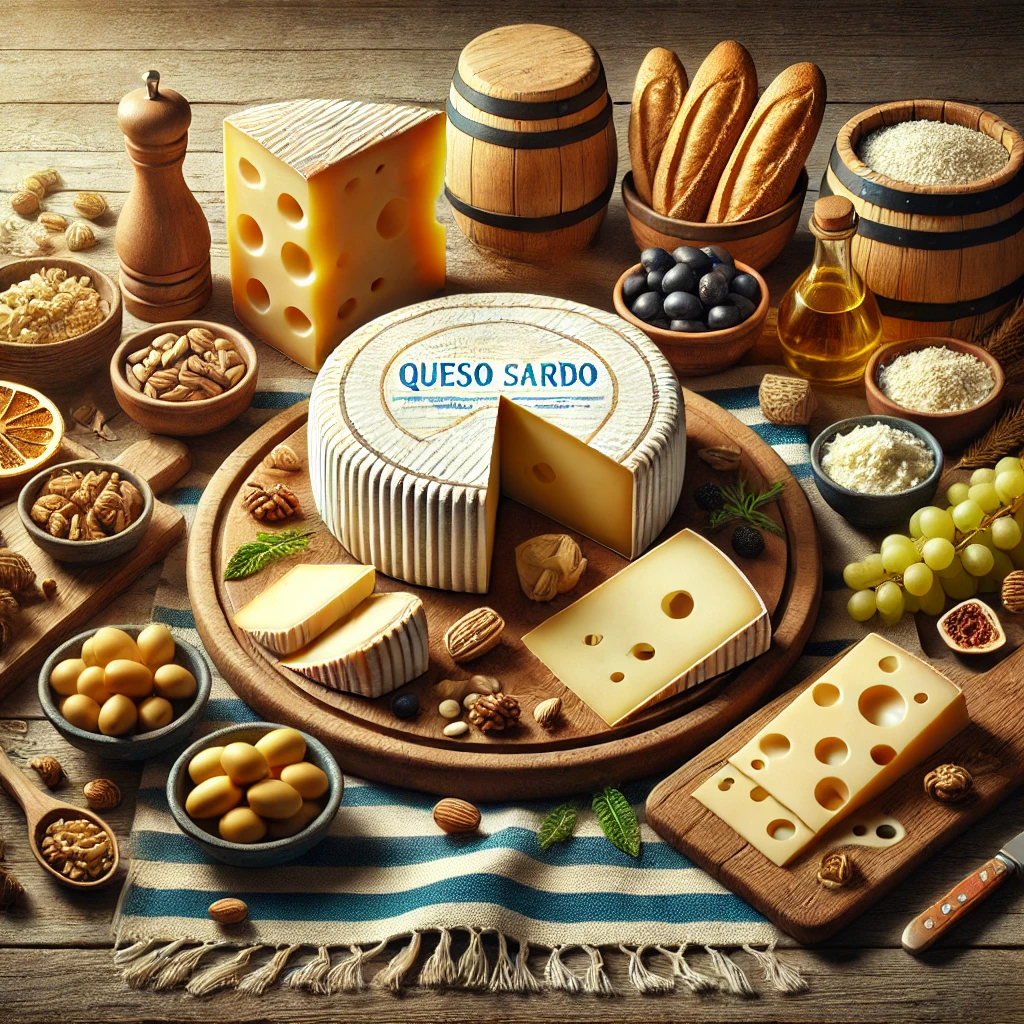
Argentina is globally famous for beef and wine, but its cheese tradition is equally rich and often overlooked. One of the most distinctive examples is Queso Sardo, a firm, aged sheep milk cheese that holds an important place in Argentine gastronomy.
Despite its name, Queso Sardo is not from Italy. It is an Argentine cheese inspired by Mediterranean sheep milk traditions, adapted to local pastures, climate, and culinary habits. Known for its bold flavor, dense texture, and excellent aging potential, Queso Sardo is widely used both as a table cheese and as a grating cheese in Argentine cooking.
Origins of Queso Sardo in Argentina
Queso Sardo emerged during the late 19th and early 20th centuries, when European immigrants—particularly from Italy and Spain—brought cheese-making knowledge to Argentina. While Italian Pecorino influenced its style, Argentine cheesemakers adapted the recipe using local sheep breeds and milk characteristics.
Over time, Queso Sardo became a uniquely Argentine product rather than a copy of European cheese. It gained popularity for its long shelf life, strong flavor, and versatility, making it ideal for both rural communities and urban markets.
Today, Queso Sardo is produced across several Argentine provinces and is a staple in homes, restaurants, and traditional dishes.
Milk Source and Key Ingredients
Queso Sardo is traditionally made from 100% sheep’s milk, which gives it its distinctive richness and complexity.
Core Ingredients
-
Sheep’s milk
-
Natural cultures
-
Rennet
-
Salt
Sheep’s milk is naturally higher in fat and protein than cow’s milk, resulting in a cheese that is denser, more flavorful, and highly suitable for aging.
How Queso Sardo Is Made
The production process of Queso Sardo follows traditional hard-cheese techniques while allowing for regional variation.
Production Steps
-
Fresh sheep’s milk is gently heated
-
Cultures and rennet are added
-
Curds are cut finely to release whey
-
Curds are pressed into molds
-
Wheels are salted
-
Cheese is aged for several months
Aging is a defining stage, during which Queso Sardo develops its firm texture and bold flavor.
Aging Styles and Variations
Queso Sardo is known for its adaptability to different aging periods.
Young Queso Sardo (2–4 months)
-
Slightly elastic texture
-
Milder flavor
-
Light saltiness
Semi-Aged Queso Sardo (6–9 months)
-
Firm and sliceable
-
Nutty and savory notes
-
Balanced sharpness
Fully Aged Queso Sardo (12+ months)
-
Hard and crumbly
-
Intense, salty flavor
-
Ideal for grating
Longer aging enhances complexity and aroma, making mature Queso Sardo especially prized.
Texture and Appearance
| Feature | Description |
|---|---|
| Texture | Firm to hard |
| Color | Pale yellow to golden |
| Rind | Natural, dry |
| Interior | Dense, sometimes granular |
As the cheese ages, small crystals may form, adding pleasant crunch and depth.
Taste Profile of Queso Sardo
Queso Sardo is known for its bold yet balanced flavor.
Flavor Characteristics
-
Savory and salty
-
Nutty undertones
-
Slightly sharp finish
-
Rich sheep milk aroma
Compared to cow’s milk cheeses, Queso Sardo delivers a more intense and lingering taste, especially in aged versions.
Traditional Uses in Argentine Cuisine
Queso Sardo plays an important role in everyday Argentine cooking.
Common Traditional Uses
-
Grated over pasta
-
Added to empanada fillings
-
Used in baked dishes
-
Served with bread as a table cheese
Its strong flavor means a little goes a long way.
Modern Culinary Uses
In modern kitchens, Queso Sardo is appreciated for its versatility.
Contemporary Applications
-
Cheese boards
-
Finishing cheese for risotto
-
Grated over roasted vegetables
-
Paired with artisan bread and olive oil
Chefs value it as a sheep milk alternative to hard European cheeses.
Best Food Pairings for Queso Sardo
Bread and Grains
-
Rustic sourdough
-
Whole-grain bread
-
Crackers
Fruits and Accompaniments
-
Pears
-
Apples
-
Figs
-
Honey
Proteins
-
Cured meats
-
Grilled lamb
-
Roasted chicken
Sweet and acidic elements balance its saltiness.
Wine and Beverage Pairings
Queso Sardo pairs exceptionally well with Argentine beverages.
Wine Pairings
-
Malbec
-
Bonarda
-
Tempranillo
Other Pairings
-
Dry cider
-
Sparkling water
-
Herbal teas
Medium-bodied wines complement its richness without overpowering it.
Nutritional Value of Queso Sardo
Queso Sardo is a nutrient-dense cheese.
Nutritional highlights include:
-
High-quality protein
-
Calcium and phosphorus
-
Vitamin B12
-
Healthy fats
Sheep’s milk cheeses are often easier to digest for people sensitive to cow’s milk.
Queso Sardo vs Other Sheep Milk Cheeses
| Feature | Queso Sardo | Pecorino |
|---|---|---|
| Origin | Argentina | Italy |
| Milk | Sheep | Sheep |
| Flavor | Savory, nutty | Sharper |
| Use | Table & grating | Mostly grating |
While inspired by European styles, Queso Sardo maintains its own identity.
Buying High-Quality Queso Sardo
What to Look For
-
Firm texture without cracks
-
Clean, slightly nutty aroma
-
Even color
-
Proper aging information
Artisan producers often offer the best quality.
Storage and Serving Tips
Storage
-
Wrap in cheese paper or wax paper
-
Refrigerate properly
-
Avoid airtight plastic for long storage
Serving
-
Bring to room temperature
-
Slice thin or grate finely
-
Pair with simple accompaniments
Proper handling preserves flavor and texture.
Why Queso Sardo Matters Today
Queso Sardo represents Argentina’s adaptation of Old World cheese traditions into something uniquely local. As interest in sheep milk cheeses grows worldwide, Queso Sardo is gaining recognition beyond South America for its quality, flavor, and versatility.
It reflects Argentina’s agricultural heritage, immigrant influence, and passion for bold, honest food.
Conclusion
Queso Sardo is one of Argentina’s most distinctive cheeses. Made from sheep’s milk and aged to perfection, it delivers depth, character, and culinary flexibility. Whether grated over a warm dish or enjoyed on a cheese board, Queso Sardo offers a powerful taste of Argentine cheese tradition.
For cheese lovers seeking something robust, authentic, and full of personality, Queso Sardo is a rewarding discovery.
Frequently Asked Questions (FAQ)
What is Queso Sardo made from?
Queso Sardo is traditionally made from 100% sheep’s milk.
Is Queso Sardo similar to Pecorino?
It is inspired by Pecorino but has a milder, more balanced Argentine character.
How does Queso Sardo taste?
It tastes savory, nutty, and salty, with increasing intensity as it ages.
Is Queso Sardo good for grating?
Yes, especially well-aged Queso Sardo is excellent for grating.
How should Queso Sardo be stored?
Keep it refrigerated, wrapped in cheese paper, and bring to room temperature before serving.