Among the world’s blue cheeses, Shropshire Blue stands out instantly. Its vivid orange interior streaked with blue veins is unmistakable, and its flavor offers a refined balance between richness and strength. Although often associated with English cheese traditions, Shropshire Blue has international origins and influences that make it a truly global cheese.
Today, Shropshire Blue is enjoyed far beyond the United Kingdom. It appears on gourmet cheese boards, holiday tables, and restaurant menus around the world, admired for both its visual appeal and its smooth yet complex taste.
The International Origins of Shropshire Blue Cheese
Despite its name, Shropshire Blue cheese does not originate from the county of Shropshire. Instead, it was first developed in England in the late 20th century by innovative cheesemakers inspired by classic European blue cheeses.
The creators sought to combine:
-
The creamy texture of Stilton
-
The bold veining of continental blue cheeses
-
A striking visual identity
Annatto, a natural coloring traditionally used in cheeses like Red Leicester, was added to create Shropshire Blue’s signature orange hue. This fusion of British tradition and international inspiration gave birth to a cheese that feels both familiar and modern.
How Shropshire Blue Became Globally Recognized
Shropshire Blue gained popularity quickly due to its distinctive appearance and approachable flavor. Cheesemongers and chefs worldwide embraced it as a visually dramatic alternative to traditional blue cheeses.
Its international recognition grew through:
-
Export to Europe and North America
-
Inclusion in gourmet food markets
-
Use in upscale dining and holiday meals
Today, Shropshire Blue is produced in several regions of England and exported globally, cementing its place as an internationally appreciated cheese.
Milk Source and Ingredients
Shropshire Blue is traditionally made from pasteurized cow’s milk, ensuring consistency and food safety.
Core Ingredients
-
Cow’s milk
-
Starter cultures
-
Penicillium roqueforti (blue mold)
-
Rennet
-
Salt
-
Annatto (natural coloring)
The annatto does not affect flavor but gives the cheese its vibrant color.
How Shropshire Blue Cheese Is Made
The production process blends traditional blue cheese methods with modern precision.
Production Steps
-
Milk is pasteurized and cultured
-
Annatto is added for color
-
Rennet forms curds
-
Curds are gently cut and drained
-
Blue mold is introduced
-
Wheels are pierced to allow air flow
-
Cheese is aged under controlled conditions
Aging allows blue veins to develop evenly throughout the cheese.
Aging and Maturation
Shropshire Blue is typically aged for 3 to 5 months.
Aging Effects
-
Texture becomes smooth and sliceable
-
Blue veins intensify in flavor
-
Aroma becomes richer but not overpowering
The result is a cheese that is bold yet accessible, even for those new to blue cheese.
Texture and Appearance
| Feature | Description |
|---|---|
| Texture | Semi-firm and creamy |
| Color | Deep orange interior |
| Veining | Blue-green mold |
| Rind | Natural, pale rind |
Its dramatic color contrast makes it a centerpiece cheese.
Taste Profile of Shropshire Blue
Shropshire Blue is known for its balanced flavor, offering depth without harshness.
Flavor Characteristics
-
Creamy and rich
-
Mild sweetness
-
Earthy blue notes
-
Clean, slightly tangy finish
Compared to stronger blues, it is smoother and less aggressive, making it widely appealing.
How Shropshire Blue Compares to Other Blue Cheeses
| Cheese | Intensity | Texture | Origin |
|---|---|---|---|
| Shropshire Blue | Medium | Creamy | England |
| Stilton | Medium–strong | Crumbly | England |
| Roquefort | Strong | Moist | France |
| Gorgonzola | Mild–strong | Soft | Italy |
Shropshire Blue sits comfortably between mild and intense.
Traditional and Modern Culinary Uses
Traditional Uses
-
Cheese boards
-
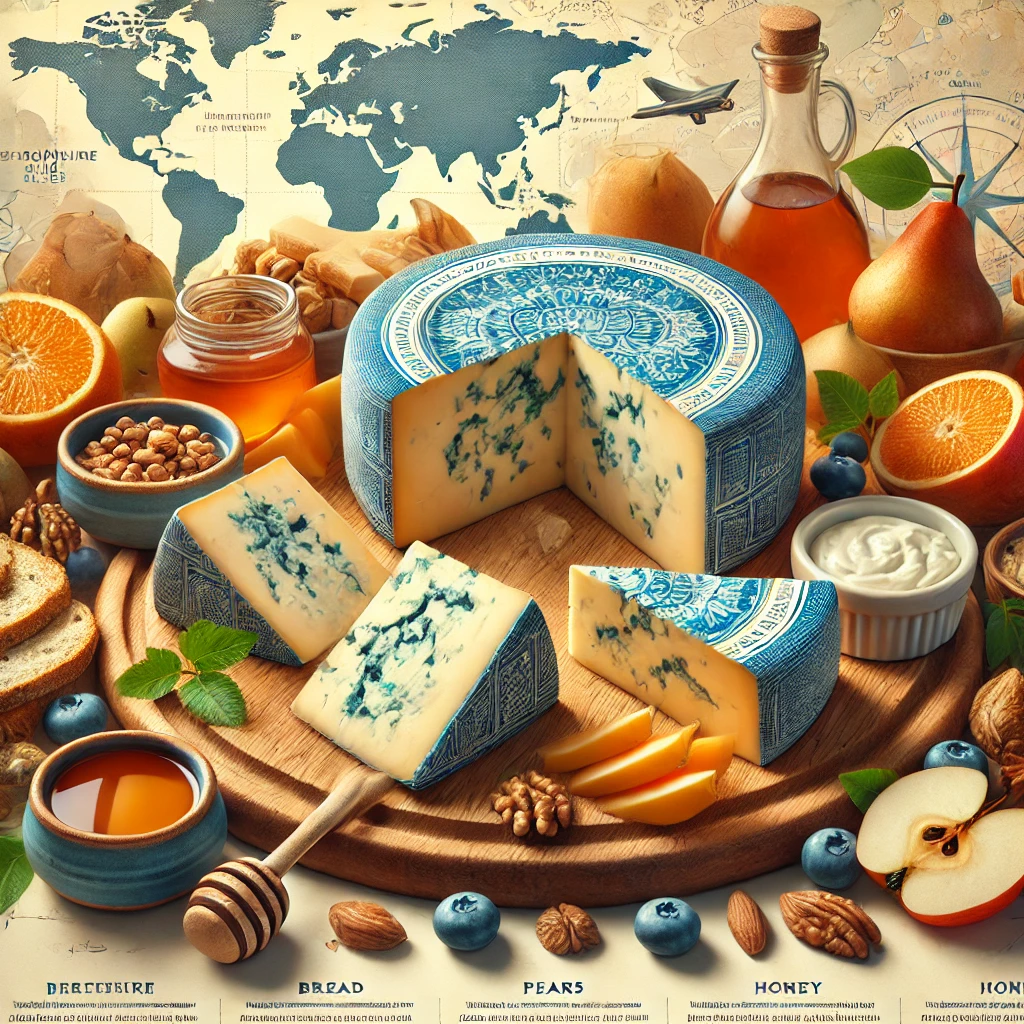
Served with bread and fruit
-
Holiday meals
Modern Uses
-
Blue cheese sauces
-
Melting over steaks
-
Crumbled into salads
-
Savory tarts and pastries
Its melting ability makes it versatile beyond simple slicing.
Best Food Pairings for Shropshire Blue
Sweet Pairings
-
Pears
-
Apples
-
Figs
-
Honey
Savory Pairings
-
Walnuts
-
Rustic bread
-
Crackers
-
Cured meats
Sweet elements balance its savory depth.
Wine and Beverage Pairings
Wine Pairings
-
Port
-
Sauternes
-
Late-harvest whites
-
Full-bodied red wines
Non-Alcoholic Options
-
Apple juice
-
Sparkling water
-
Black tea
These pairings enhance its creamy richness.
Nutritional Value of Shropshire Blue Cheese
Shropshire Blue is nutrient-rich when enjoyed in moderation.
Nutritional highlights include:
-
Protein
-
Calcium
-
Vitamin B12
-
Healthy fats
Like most blue cheeses, it is also satisfying in small portions.
Buying High-Quality Shropshire Blue
What to Look For
-
Even blue veining
-
Bright orange color
-
Clean aroma
-
Moist but firm texture
Avoid cheese that appears overly dry or ammonia-scented.
Storage and Serving Tips
Storage
-
Wrap in cheese paper or foil
-
Refrigerate properly
-
Keep away from other cheeses
Serving
-
Bring to room temperature
-
Slice or crumble just before serving
Proper handling preserves flavor and texture.
Why Shropshire Blue Has International Appeal
Shropshire Blue succeeds globally because it combines:
-
Visual drama
-
Balanced flavor
-
Versatility
-
Familiar blue cheese character
It appeals to both experienced cheese lovers and newcomers, making it a favorite in international markets.
Conclusion
Shropshire Blue cheese is a modern classic with international roots and global recognition. Inspired by European blue cheese traditions and refined through English craftsmanship, it offers a unique balance of beauty, flavor, and usability.
Whether featured on a cheese board, melted into a dish, or paired with sweet accompaniments, Shropshire Blue delivers an experience that is both bold and approachable. It stands as proof that innovation and tradition can coexist beautifully in the world of cheese.
Frequently Asked Questions (FAQ)
Where does Shropshire Blue cheese come from?
It was developed in England but inspired by international blue cheese traditions.
Why is Shropshire Blue orange?
Its color comes from annatto, a natural food coloring.
How does Shropshire Blue taste?
It is creamy, mildly sweet, and earthy with balanced blue cheese intensity.
Is Shropshire Blue similar to Stilton?
Yes, it is similar in texture but slightly milder and sweeter.
How should Shropshire Blue be served?
Serve at room temperature with fruit, bread, or wine for best flavor.