Kenya’s culinary heritage is deeply connected to livestock, pastoral life, and community traditions. While fermented milk and butter are well known across the country, Nyoyo cheese remains one of Kenya’s lesser-known yet culturally meaningful dairy foods. Nyoyo is a traditional fresh cheese, primarily prepared in rural households using simple methods passed down through generations.
Nyoyo cheese is not a commercial product or standardized variety. Instead, it represents a home-style, functional cheese made for nourishment, sharing, and everyday meals. Its value lies in freshness, simplicity, and its close connection to Kenyan pastoral culture.
Cultural and Geographic Origins of Nyoyo Cheese
Nyoyo cheese is traditionally associated with rural communities in Kenya, particularly among pastoral and agro-pastoral groups where cattle and goats are central to daily life. In these communities, milk is abundant during certain seasons and must be used quickly to avoid spoilage.
Nyoyo emerged as a practical solution—turning fresh milk into a lightly set cheese that could be eaten immediately or within a short time. The cheese is often made at home rather than purchased, reinforcing its role as a household food rather than a market commodity.
Historical Background of Nyoyo Cheese
Cheese-making in Kenya developed independently of European dairy traditions. Long before refrigeration, Kenyan communities processed milk into fermented drinks, butter, curds, and simple cheeses.
Nyoyo cheese reflects this tradition of resourcefulness. Instead of aging or complex preservation, the focus is on:
-
Minimal processing
-
Immediate consumption
-
Nutritional efficiency
This approach allowed families to enjoy milk in different forms while reducing waste.
Milk Sources and Ingredients
Nyoyo cheese is traditionally made from fresh cow’s milk, though goat’s milk is sometimes used depending on availability.
Common Milk Sources
-
Cow’s milk (most common)
-
Goat’s milk (adds tanginess)
Core Ingredients
-
Fresh milk
-
Natural acidity (from sour milk or whey)
-
Salt (optional and minimal)
No commercial cultures, molds, or rennet are required, keeping the cheese natural and accessible.
Traditional Production Method of Nyoyo Cheese
Nyoyo cheese is made using a simple heat-and-acid method, suitable for home kitchens.
Step-by-Step Traditional Process
-
Heating the Milk
Fresh milk is gently heated, taking care not to boil. -
Curdling
Natural acidity—often from soured milk or whey—is added to separate curds from whey. -
Draining
The curds are strained through cloth to remove excess liquid. -
Light Pressing
Curds may be gently pressed or shaped by hand. -
Cooling
The cheese is cooled and eaten fresh.
The entire process can be completed within a few hours.
Texture and Appearance
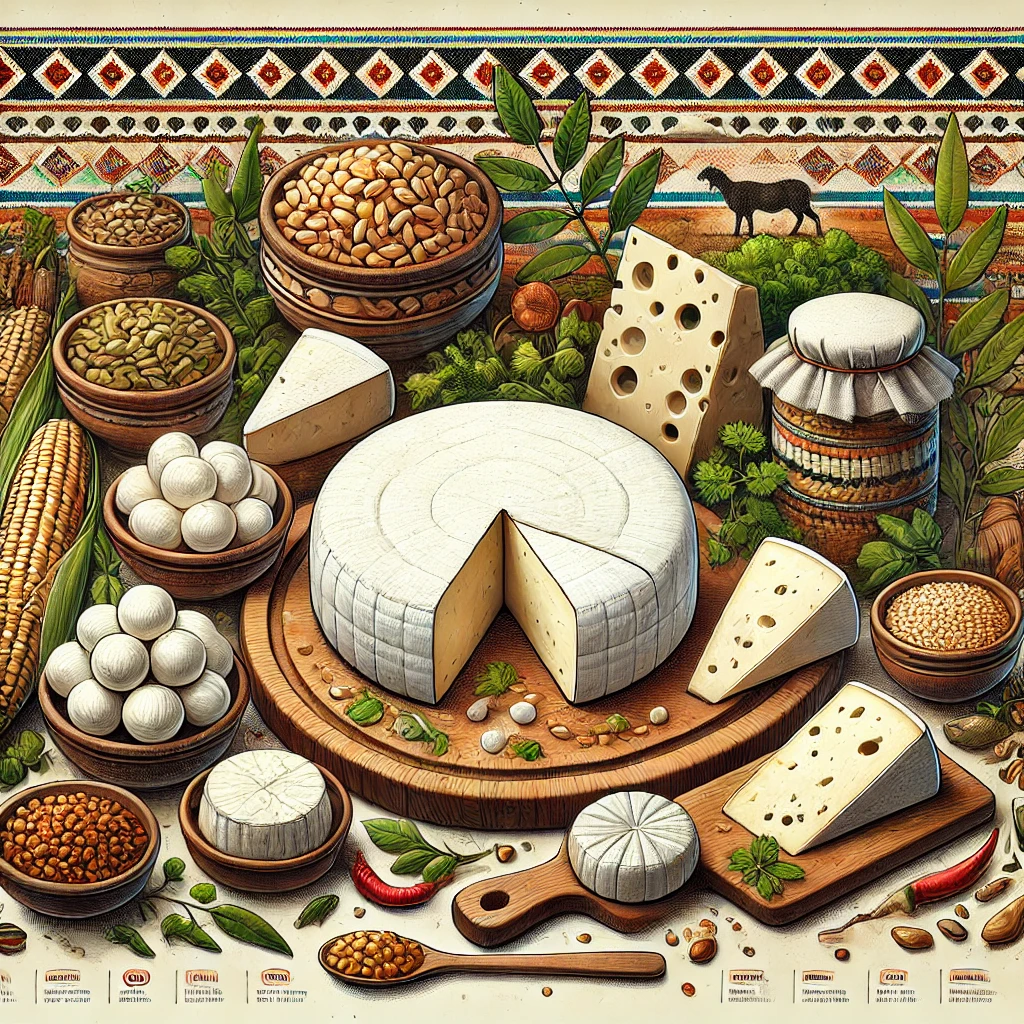
Nyoyo cheese has a rustic, handmade appearance.
| Feature | Description |
|---|---|
| Texture | Soft to semi-firm |
| Moisture | Medium to high |
| Color | White to pale cream |
| Shape | Irregular or lightly molded |
The texture depends on how much whey is removed and how firmly the curds are pressed.
Taste Profile of Nyoyo Cheese
Nyoyo cheese is known for its clean, mild flavor, designed to complement local foods rather than dominate them.
Flavor Characteristics
-
Fresh and milky
-
Light tanginess
-
Minimal saltiness
-
Smooth dairy finish
Its gentle taste makes it suitable for people of all ages.
Variations of Nyoyo Cheese
Because Nyoyo is not standardized, variations reflect household practices.
Fresh Nyoyo
-
Soft and moist
-
Consumed the same day
-
Mild flavor
Lightly Pressed Nyoyo
-
Firmer texture
-
Slightly longer usability
-
More structured bite
Salted Nyoyo
-
Improved flavor balance
-
Short-term preservation
These variations arise naturally rather than by formal design.
Traditional Uses in Kenyan Cuisine
Nyoyo cheese is rarely eaten alone. It is incorporated into everyday meals.
Common Traditional Uses
-
Served with ugali
-
Eaten with boiled potatoes or sweet potatoes
-
Paired with vegetables
-
Included in breakfast meals
It provides protein and richness to otherwise grain-based dishes.
Modern and Contemporary Uses
As interest in indigenous foods grows, Nyoyo cheese is finding new appreciation.
Modern Applications
-
Farm-to-table Kenyan cuisine
-
Vegetarian protein dishes
-
Breakfast plates
-
Cultural food showcases
Chefs value its authenticity and simplicity.
Best Food Pairings for Nyoyo Cheese
Traditional Pairings
-
Ugali
-
Sukuma wiki (collard greens)
-
Boiled cassava
-
Flatbreads
Fresh Pairings
-
Tomatoes
-
Onions
-
Mild herbs
Starchy and vegetable-based foods balance its softness.
Beverage Pairings
Nyoyo cheese pairs best with traditional Kenyan drinks.
Beverage Options
-
Fermented milk drinks
-
Herbal teas
-
Light porridge beverages
-
Fresh water
These drinks support digestion and complement its mildness.
Nutritional Value of Nyoyo Cheese
Nyoyo cheese is valued for simple, natural nutrition.
Nutritional highlights include:
-
High-quality protein
-
Calcium for bone health
-
Natural fats
-
Minimal processing
Fresh cheese is especially beneficial for children and elders.
Nyoyo Cheese vs Other East African Cheeses
| Feature | Nyoyo | Smoked Cheeses | Fermented Milk |
|---|---|---|---|
| Texture | Soft | Firm | Liquid |
| Aging | None | Light drying | Fermented |
| Flavor | Mild | Smoky | Tangy |
| Use | Daily meals | Cooking | Drinking |
Nyoyo stands out for its freshness and simplicity.
Buying and Storing Nyoyo Cheese
Buying Tips
-
Choose freshly made cheese
-
Avoid sour or off odors
-
Look for clean, moist curds
Storage Tips
-
Refrigerate if possible
-
Consume within 1–2 days
-
Keep covered to prevent drying
Nyoyo cheese is not designed for long storage.
Cultural Importance of Nyoyo Cheese Today
Nyoyo cheese represents living tradition. It reflects how Kenyan communities continue to adapt food practices to climate, resources, and family life. While it may never become a global export, its cultural value remains strong.
As interest grows in sustainable and indigenous foods, Nyoyo cheese offers insight into low-impact, high-nutrition dairy traditions.
Why Nyoyo Cheese Still Matters
In a world of industrial dairy, Nyoyo cheese reminds us that:
-
Food does not need complexity to be meaningful
-
Tradition and nutrition can coexist
-
Local knowledge is valuable
Nyoyo cheese connects people to land, livestock, and community.
Conclusion
Nyoyo cheese from Kenya is a humble yet powerful expression of tradition. Fresh, mild, and nourishing, it has supported households for generations through its simplicity and versatility.
Whether enjoyed with ugali, vegetables, or modern interpretations, Nyoyo cheese remains a symbol of Kenyan pastoral heritage. Exploring it is not just about tasting cheese—it is about understanding how culture, food, and everyday life are inseparably linked.
Frequently Asked Questions (FAQ)
What is Nyoyo cheese made from?
Nyoyo cheese is traditionally made from fresh cow’s milk, sometimes goat’s milk.
Is Nyoyo cheese aged?
No, it is a fresh cheese meant to be eaten shortly after preparation.
How does Nyoyo cheese taste?
It has a mild, fresh, slightly tangy dairy flavor.
How is Nyoyo cheese traditionally eaten?
It is eaten with ugali, vegetables, or potatoes as part of daily meals.
Is Nyoyo cheese widely available?
It is mostly homemade and rarely sold commercially outside local markets.