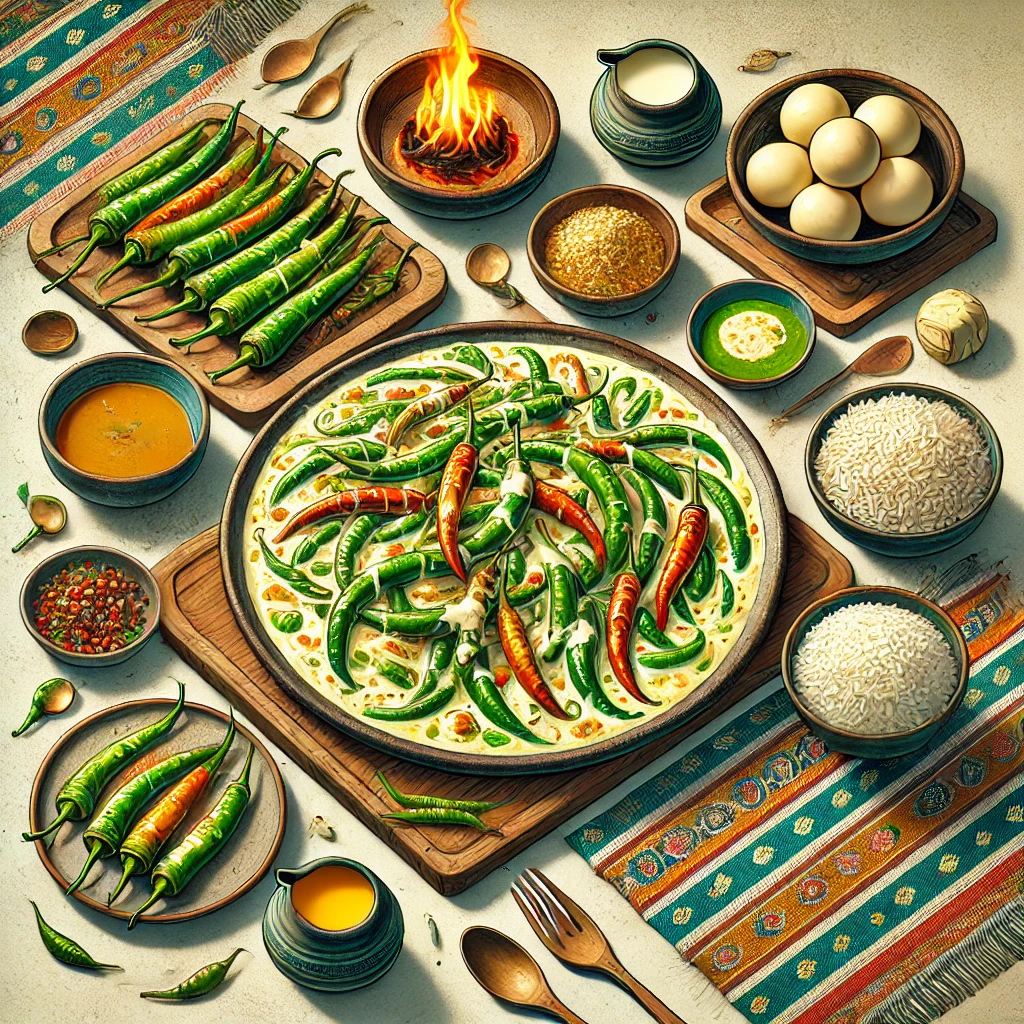
Ema Datshi is more than just Bhutan’s national dish—it is the heart and soul of Bhutanese cuisine. Simple in ingredients yet bold in flavor, Ema Datshi is a comforting, fiery stew made primarily from chilies and cheese. In Bhutan, chilies are not treated as a spice but as a vegetable, and Ema Datshi showcases this philosophy in its purest form.
For outsiders, the idea of chilies cooked in cheese may seem unusual. For Bhutanese people, however, Ema Datshi is an everyday staple eaten at home, in monasteries, at celebrations, and even in royal kitchens. It represents Bhutan’s food culture, agricultural lifestyle, and deep respect for tradition.
The Meaning of “Ema Datshi”
The name Ema Datshi comes from the Dzongkha language, Bhutan’s national language:
-
Ema = Chilies
-
Datshi = Cheese
Quite literally, Ema Datshi means “chilies and cheese.” The straightforward name reflects the dish itself—honest, uncomplicated, and rooted in daily life.
Origins of Ema Datshi in Bhutanese History
Bhutan’s mountainous terrain and cool climate shaped its food traditions. For centuries, farming communities relied on ingredients that were:
-
Locally grown
-
Easy to preserve
-
Nutritious and warming
Chilies thrived in Bhutan’s valleys, while dairy products such as cheese and butter were essential sources of fat and protein. Combining these ingredients created a dish that was warming, filling, and sustainable—perfect for life in the Himalayas.
Over time, Ema Datshi became a culinary symbol of Bhutan, passed down through generations without losing its authenticity.
Why Chilies Are Central to Bhutanese Cuisine
In most cuisines, chilies are used sparingly. In Bhutan, they are the main ingredient.
Cultural Importance of Chilies
-
Eaten daily, often at every meal
-
Considered a vegetable, not a spice
-
Dried chilies are stored for winter
-
Associated with warmth and strength
Ema Datshi reflects Bhutan’s high tolerance—and love—for heat, making it one of the spiciest national dishes in the world.
Core Ingredients of Traditional Ema Datshi
Authentic Ema Datshi relies on just a few ingredients, but each one is essential.
Main Ingredients
-
Fresh green or red chilies
-
Bhutanese cheese (traditionally yak or cow cheese)
-
Onions
-
Butter or oil
-
Water
Optional Additions
-
Garlic
-
Tomatoes
-
Sichuan pepper (occasionally)
Despite regional variations, the dish remains simple and recognizable.
Traditional Bhutanese Cheese (Datshi)
The cheese used in Ema Datshi is traditionally datshi, a soft, crumbly cheese made from yak or cow’s milk.
Characteristics of Datshi
-
Mild, slightly tangy flavor
-
Soft, meltable texture
-
Fresh, not aged
Outside Bhutan, feta or farmer’s cheese is often used as a substitute, though the flavor differs slightly.
How Ema Datshi Is Traditionally Prepared
Ema Datshi is cooked gently to preserve flavor and texture.
Traditional Preparation Method
-
Preparing the Chilies
Chilies are sliced lengthwise or left whole, depending on preference. -
Cooking the Base
Onions, garlic, and butter are simmered with water. -
Adding Chilies
Chilies are added and cooked until tender but not mushy. -
Adding Cheese
Cheese is added last and allowed to melt into a creamy sauce. -
Gentle Simmering
The dish simmers briefly—never boiled vigorously.
The result is a creamy, spicy, comforting stew.
Texture and Appearance
| Feature | Description |
|---|---|
| Texture | Soft chilies in creamy sauce |
| Consistency | Thick but spoonable |
| Color | Pale cream with green/red chilies |
| Aroma | Spicy, buttery, dairy-rich |
The dish is rustic rather than refined, emphasizing warmth and nourishment.
Taste Profile of Ema Datshi
Ema Datshi delivers a bold yet balanced flavor.
Flavor Characteristics
-
Intense chili heat
-
Creamy, cooling cheese
-
Slight saltiness
-
Gentle sweetness from onions
The cheese tempers the chilies, creating harmony rather than overpowering heat—though it remains spicy by global standards.
Variations of Ema Datshi Across Bhutan
Almost every household has its own version.
Kewa Datshi
-
Chilies replaced or combined with potatoes
Shamu Datshi
-
Made with mushrooms
Yak Datshi
-
Uses yak cheese for richer flavor
Mixed Datshi
-
Combines chilies, potatoes, and vegetables
Despite variations, chilies usually remain present in some form.
How Ema Datshi Is Traditionally Eaten
Ema Datshi is rarely eaten alone.
Traditional Accompaniments
-
Red rice (a Bhutanese staple)
-
Buckwheat pancakes
-
Other vegetable or meat dishes
It is often served family-style, reinforcing communal eating traditions.
Ema Datshi in Bhutanese Daily Life
Unlike ceremonial dishes, Ema Datshi is an everyday food.
It is eaten:
-
At home
-
In school cafeterias
-
In monasteries
-
At festivals
Its simplicity makes it accessible to all social classes, from farmers to officials.
Nutritional Value of Ema Datshi
Ema Datshi is surprisingly nourishing.
Nutritional Highlights
-
Protein from cheese
-
Calcium for bone health
-
Capsaicin from chilies (boosts metabolism)
-
Healthy fats from butter
While rich, it is usually eaten in moderate portions alongside rice and vegetables.
Ema Datshi vs Other Spicy Global Dishes
| Dish | Country | Heat Level | Base |
|---|---|---|---|
| Ema Datshi | Bhutan | Very high | Cheese |
| Vindaloo | India | High | Spiced gravy |
| Kimchi stew | Korea | Medium | Fermented chili |
| Sichuan hotpot | China | High | Chili oil |
Ema Datshi stands out for using cheese as the main sauce.
Ema Datshi in Modern and Global Cuisine
As Bhutan opens slowly to tourism, Ema Datshi has gained international attention.
Modern Adaptations
-
Less spicy versions for visitors
-
Vegan adaptations using tofu
-
Fusion restaurant interpretations
Despite adaptations, traditional Bhutanese versions remain fiercely authentic.
Cultural Significance of Ema Datshi
Ema Datshi symbolizes:
-
Bhutanese identity
-
Agricultural self-reliance
-
Love for simplicity
-
Resistance to over-commercialization
In a country that values Gross National Happiness, food like Ema Datshi represents contentment through tradition rather than luxury.
Why Ema Datshi Matters Beyond Food
Ema Datshi teaches valuable lessons:
-
Local ingredients matter
-
Simplicity can be powerful
-
Food reflects geography and values
It is a reminder that national dishes are not about complexity, but meaning.
Conclusion
Ema Datshi is far more than Bhutan’s national dish—it is a reflection of the country’s land, people, and philosophy. Bold, comforting, and deeply traditional, it shows how simple ingredients can create extraordinary cultural identity.
For those who taste it, Ema Datshi offers more than spice—it offers insight into Bhutan’s way of life. In a world of fast food and fusion trends, Ema Datshi remains proudly authentic, proving that true culinary greatness comes from tradition, not reinvention.
Frequently Asked Questions (FAQ)
What is Ema Datshi made of?
It is made from chilies, Bhutanese cheese, onions, butter, and water.
Is Ema Datshi very spicy?
Yes, it is considered extremely spicy by most international standards.
What cheese is used in Ema Datshi?
Traditionally, fresh yak or cow cheese; feta is a common substitute outside Bhutan.
Is Ema Datshi eaten every day in Bhutan?
Yes, it is a daily staple in many Bhutanese households.
Can Ema Datshi be made less spicy?
Traditionally no, but milder versions are sometimes prepared for visitors.