
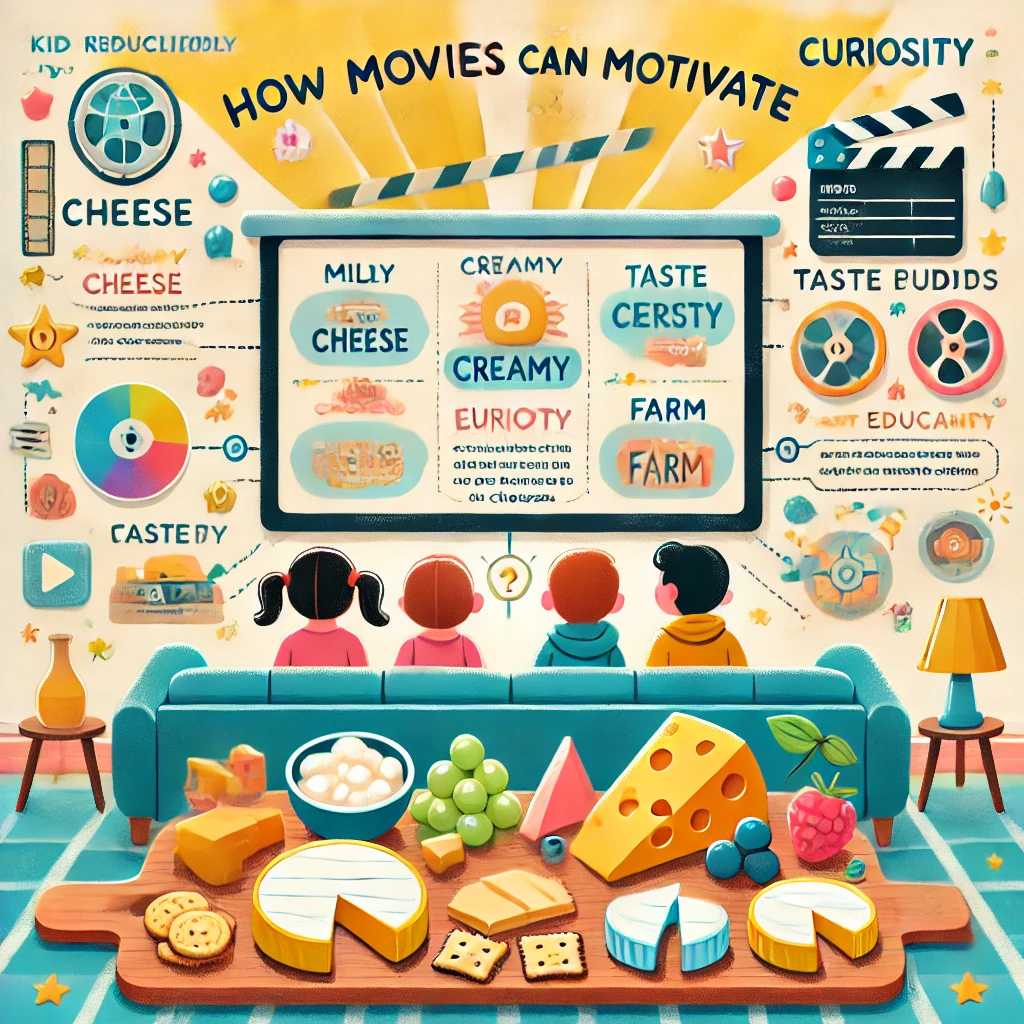
Children are naturally curious, and few things spark that curiosity more effectively than movies. From animated adventures to family-friendly films, movies shape how kids think, feel, and behave. They influence fashion, language, hobbies—and surprisingly, food choices.
Cheese, with its playful textures, mild to bold flavors, and frequent appearances in movies, is one of the easiest foods for kids to connect with emotionally. When children see their favorite characters enjoying pizza, sandwiches, or cheese-based snacks on screen, it can spark interest, reduce fear of new foods, and encourage tasting.
This article explores how movies can motivate kids to explore cheese, why visual storytelling is so powerful, and how parents and educators can use films to promote healthy, positive food experiences.
Why Movies Have Such a Strong Influence on Kids
Movies speak directly to a child’s imagination. Unlike lectures or instructions, films show rather than tell, making lessons feel fun and natural.
Key Reasons Movies Influence Children
-
Visual storytelling is memorable
-
Characters act as role models
-
Emotional connection increases imitation
-
Food scenes feel exciting, not forced
When food is presented as joyful, social, and rewarding, children are more open to trying it—especially cheese, which already has a friendly reputation.
Cheese as a Kid-Friendly Food
Cheese is uniquely positioned as an ideal “gateway food” for children.
Why Cheese Works Well for Kids
-
Mild flavors available (cheddar, mozzarella, Colby)
-
Fun shapes and textures
-
Melts, stretches, and browns in appealing ways
-
Familiar presence in favorite foods
Movies often highlight these fun qualities, making cheese feel approachable rather than intimidating.
Cheese in Popular Kids’ Movies and Shows
Cheese frequently appears in family entertainment, often linked to comfort, humor, or celebration.
Common On-Screen Cheese Moments
-
Pizza parties after a victory
-
Grilled cheese during cozy family scenes
-
Cheese snacks shared among friends
-
Cartoon characters obsessing over cheese
These moments subtly teach kids that cheese is enjoyable, social, and safe.
How Characters Shape Food Preferences
Children often want to copy characters they admire. When beloved heroes or funny sidekicks eat cheese, kids associate it with positive traits.
Examples of Character Influence
-
Brave characters eating cheese before adventures
-
Friendly characters sharing cheesy meals
-
Curious characters trying new foods
This creates a mental link: “If my favorite character likes this, maybe I will too.”
Reducing Food Fear Through Movies
Many kids experience food neophobia, the fear of trying unfamiliar foods. Movies can help reduce this fear by normalizing food exploration.
How Movies Help
-
Cheese is shown repeatedly in safe settings
-
Characters react positively, not with disgust
-
New foods are part of the story, not the focus
Seeing cheese eaten casually helps kids feel that it’s normal—even exciting—to try it.
The Role of Animation and Visual Appeal
Animated movies exaggerate food features, making cheese look irresistible.
Visual Tricks That Attract Kids
-
Stretchy, gooey cheese pulls
-
Golden, bubbling melted cheese
-
Bright colors and playful shapes
These visuals trigger appetite and curiosity, especially in younger children who respond strongly to sensory cues.
Cheese as a Symbol of Comfort and Belonging
In movies, cheese is often linked to moments of warmth and togetherness.
Emotional Associations
-
Family meals
-
Friendship bonding
-
Celebration after success
-
Safe, happy environments
These emotional cues matter. Kids are more likely to try foods they associate with security and happiness.
Turning Movie Time into Food Exploration
Parents can build on movie inspiration with simple, intentional actions.
Practical Tips for Parents
1. Match the Movie Snack
If a movie features pizza or grilled cheese, serve a similar (but healthy) version at home.
2. Talk About the Food
Ask gentle questions like:
-
“Did you see what they were eating?”
-
“Would you like to try something like that?”
3. Start Small
Offer tiny portions of new cheeses alongside familiar favorites.
Exploring Different Cheeses Through Movies
Movies can open the door to cheese variety, not just basic options.
Kid-Friendly Cheese Exploration Ideas
-
Mozzarella after pizza scenes
-
Cheddar from sandwich moments
-
Mild Swiss inspired by cartoons
-
Cream cheese in breakfast scenes
Gradually, kids learn that cheese isn’t just one thing—it’s a whole world.
Educational Value: Movies as Learning Tools
Movies don’t just entertain; they educate indirectly.
What Kids Learn About Cheese
-
Cheese comes from milk
-
Cheese is eaten worldwide
-
Cheese can be cooked in many ways
-
Food is part of culture and tradition
This builds food literacy without formal lessons.
Using Movie Characters for Cheese Challenges
Gamifying food exploration increases success.
Fun Cheese Challenges
-
“Eat what the character eats” night
-
Cheese tasting during movie breaks
-
Rating cheeses with fun stickers
These activities turn tasting into play rather than pressure.
Avoiding Pressure and Power Struggles
Movies work best when food exploration feels voluntary.
What to Avoid
-
Forcing kids to eat
-
Using movies as bribes
-
Criticizing dislikes
Let curiosity lead. Movies plant the idea; children decide the pace.
Cheese, Nutrition, and Positive Messaging
Cheese also offers nutritional benefits that parents appreciate.
Nutritional Highlights for Kids
-
Protein for growth
-
Calcium for strong bones
-
Energy for active play
Movies help deliver these benefits without health lectures, which kids often resist.
Cultural Exposure Through Films
International movies introduce kids to global food traditions.
Cultural Benefits
-
Seeing cheese used differently worldwide
-
Learning that food varies by culture
-
Building openness to new tastes
This supports long-term healthy eating habits.
Screen Time with Purpose
Rather than seeing screen time as negative, it can be used intentionally.
Balanced Approach
-
Choose age-appropriate films
-
Pair movies with real food experiences
-
Encourage conversation after watching
This transforms passive viewing into active learning.
Long-Term Impact on Eating Habits
Positive early food experiences matter.
When kids:
-
See cheese as fun
-
Try it without pressure
-
Associate it with joy
They are more likely to develop adventurous, balanced eating habits later in life.
Why Cheese Is Perfect for Movie-Inspired Learning
Cheese works because it is:
-
Familiar yet diverse
-
Nutritious yet indulgent
-
Simple yet culturally rich
Movies amplify these qualities, making cheese exploration natural and enjoyable.
Conclusion
Movies have a powerful, often underestimated influence on children’s food curiosity. Through storytelling, characters, and visual appeal, films can gently motivate kids to explore cheese without pressure or conflict.
By pairing movie moments with real-life tasting opportunities, parents and educators can turn entertainment into a meaningful tool for food confidence, cultural awareness, and healthy habits. Cheese becomes more than a food—it becomes part of a joyful learning experience.
In a world where picky eating is common, sometimes all it takes is a favorite movie, a familiar character, and a small piece of cheese to open the door to discovery.
Frequently Asked Questions (FAQ)
Can movies really influence kids’ food choices?
Yes. Children often imitate characters they admire, including their food habits.
What type of cheese is best for beginners?
Mild cheeses like mozzarella, cheddar, or Colby are great starting points.
How can parents use movies to reduce picky eating?
By pairing food scenes with low-pressure tasting and positive discussion.
Is it okay to eat cheese during movie time?
Yes, in moderation. It can create positive food associations.
Do animated movies work better than live-action?
Animated movies are often more visually engaging for younger children, making food look fun and appealing.