Jibneh Khadra is a traditional fresh cheese from Bahrain, cherished for its mild flavor, soft texture, and everyday versatility. In a region better known globally for dates, spices, and seafood, this humble cheese plays a quiet but important role in Bahraini home cooking.
Unlike aged or heavily salted cheeses, Jibneh Khadra is prized for its freshness and simplicity. It is typically consumed shortly after preparation and enjoyed in breakfasts, snacks, and light meals. Its gentle taste reflects Bahrain’s culinary philosophy: food should be nourishing, balanced, and closely tied to daily life.
The Meaning of “Jibneh Khadra”
In Arabic:
-
Jibneh means cheese
-
Khadra means fresh or green
Together, Jibneh Khadra literally translates to “fresh cheese.” The name perfectly describes the product—young, unaged, and meant to be eaten fresh rather than stored for long periods.
Cultural and Historical Background in Bahrain
Bahrain’s food culture developed through centuries of island life, trade, and adaptation. Limited agricultural land and a hot climate shaped food traditions that favored:
-
Quick preparation
-
Minimal processing
-
Fresh consumption
Before modern refrigeration, fresh cheeses like Jibneh Khadra allowed families to enjoy dairy without long aging. Cheesemaking knowledge was passed down informally, often within households, particularly among women.
While Bahrain imported culinary ideas from Persia, the Arabian Peninsula, and beyond, Jibneh Khadra remained distinctly local—a cheese of daily life rather than ceremony.
Milk Source and Ingredients
Traditionally, Jibneh Khadra is made from cow’s milk, though goat’s milk may be used in smaller-scale or rural settings.
Core Ingredients
-
Fresh milk
-
Natural coagulant or rennet
-
Salt (used lightly)
The ingredient list is intentionally minimal, allowing the natural dairy flavor to stand out.
How Jibneh Khadra Is Traditionally Made
Jibneh Khadra is a fresh cheese, meaning it is produced and eaten quickly.
Traditional Preparation Method
-
Milk Heating
Fresh milk is gently warmed—not boiled. -
Coagulation
Rennet or a natural coagulant is added, causing curds to form. -
Curd Separation
The curds separate from the whey. -
Draining
Curds are strained through cloth to remove excess liquid. -
Light Salting
A small amount of salt is mixed in for flavor. -
Shaping
The cheese is shaped into soft blocks or rounds.
The entire process is often completed within the same day.
Texture and Appearance
| Feature | Description |
|---|---|
| Texture | Soft, slightly crumbly |
| Moisture | Medium to high |
| Color | White to pale cream |
| Shape | Blocks or rounds |
| Rind | None |
Its appearance is modest and rustic, reflecting its home-style origins.
Taste Profile of Jibneh Khadra
Jibneh Khadra is appreciated for its gentle, clean flavor.
Flavor Characteristics
-
Mild and milky
-
Lightly salty
-
Slightly tangy
-
Refreshing finish
It does not overpower dishes, making it ideal for frequent consumption.
Jibneh Khadra vs Other Middle Eastern Cheeses
| Cheese | Origin | Texture | Saltiness |
|---|---|---|---|
| Jibneh Khadra | Bahrain | Soft | Mild |
| Akkawi | Levant | Semi-firm | Medium |
| Halloumi | Cyprus | Firm | High |
| Feta-style | Region-wide | Crumbly | Medium |
Jibneh Khadra stands out for its freshness and low salt.
Traditional Uses in Bahraini Cuisine
Jibneh Khadra is a staple in everyday meals.
Common Traditional Uses
-
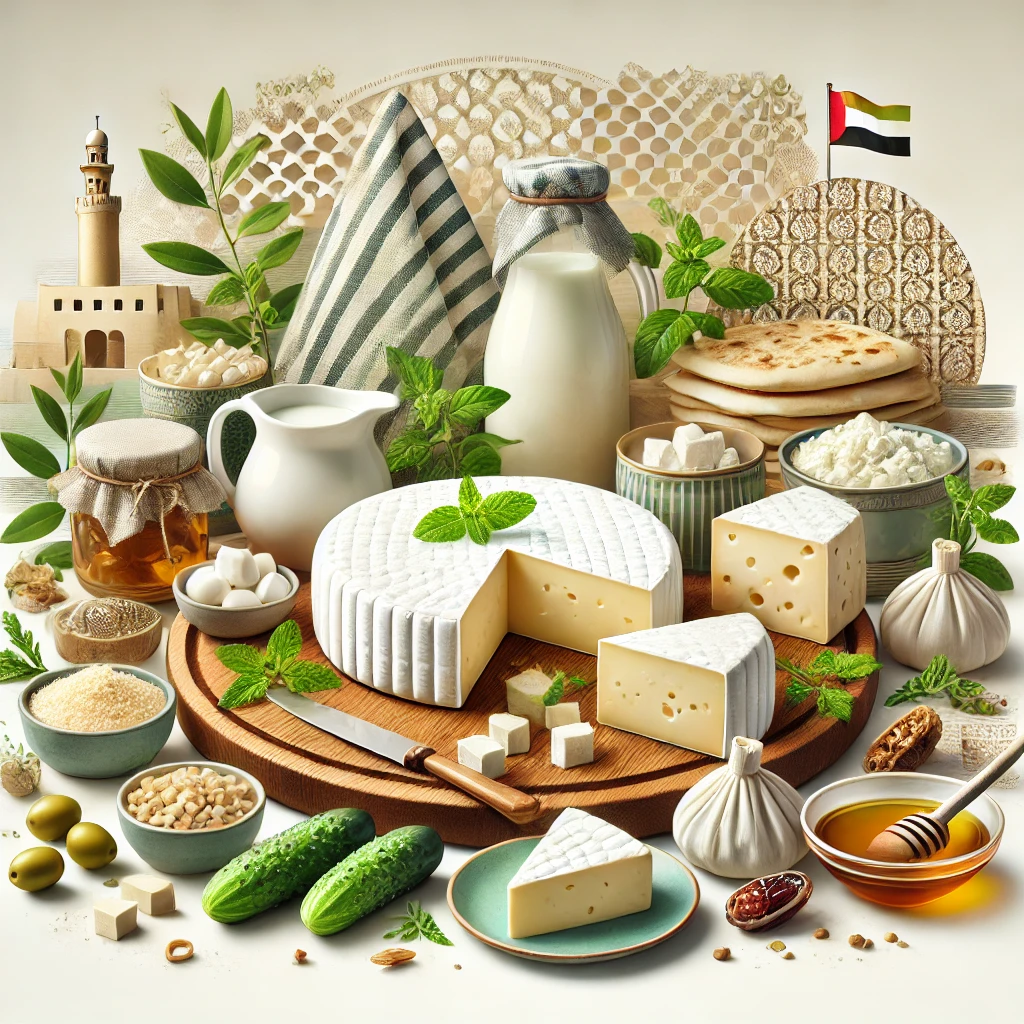
Served at breakfast with flatbread
-
Paired with olives and tomatoes
-
Eaten with dates
-
Added to simple sandwiches
It is often enjoyed in the morning or as a light evening meal.
Jibneh Khadra in Bahraini Breakfast Culture
Breakfast in Bahrain emphasizes simplicity and nourishment.
A typical serving might include:
-
Flatbread or khubz
-
Jibneh Khadra
-
Honey or date syrup
-
Tea or Arabic coffee
The cheese provides protein and balance to sweet elements.
Modern and Contemporary Uses
As Bahraini cuisine evolves, Jibneh Khadra has found new roles.
Contemporary Applications
-
Salad topping
-
Filling for pastries
-
Spread with herbs
-
Light mezze platters
Its neutral flavor adapts easily to modern tastes.
Best Food Pairings for Jibneh Khadra
Traditional Pairings
-
Flatbread
-
Dates
-
Olives
-
Cucumbers
Fresh Pairings
-
Tomatoes
-
Mint
-
Olive oil
Sweet Pairings
-
Honey
-
Date syrup
Sweet and savory contrasts enhance its mild profile.
Beverage Pairings
Jibneh Khadra pairs best with light, traditional drinks.
Beverage Options
-
Black tea
-
Mint tea
-
Arabic coffee
-
Fresh water
Heavy or strongly flavored beverages can overshadow its subtle taste.
Nutritional Value of Jibneh Khadra
Jibneh Khadra contributes to a balanced diet.
Nutritional highlights include:
-
High-quality protein
-
Calcium for bone health
-
Moderate fat content
-
Minimal processing
Its mildness and freshness make it suitable for all ages.
Buying and Storing Jibneh Khadra
Buying Tips
-
Look for fresh production dates
-
Choose cheese with a clean aroma
-
Avoid excess liquid or sour smell
Storage Tips
-
Refrigerate immediately
-
Store in an airtight container
-
Consume within a few days
Freshness is essential to quality and safety.
Cultural Importance in Bahrain Today
Although industrial cheeses are widely available, Jibneh Khadra remains important because it:
-
Connects families to tradition
-
Represents home cooking
-
Reflects local food identity
It is often remembered fondly as a taste of childhood and family meals.
Why Jibneh Khadra Deserves Recognition
Jibneh Khadra may not be internationally famous, but it represents:
-
Sustainable, small-scale food traditions
-
Minimalist cooking philosophy
-
Everyday nourishment
In a global food culture dominated by aging and intensity, Jibneh Khadra offers a reminder that freshness itself can be a virtue.
Jibneh Khadra in the Global Cheese Conversation
As interest grows in:
-
Traditional foods
-
Clean ingredients
-
Regional cuisines
Fresh cheeses like Jibneh Khadra are gaining renewed relevance. They align well with modern preferences for simple, lightly processed foods.
Conclusion
Jibneh Khadra is a quiet cornerstone of Bahraini cuisine—fresh, gentle, and deeply rooted in daily life. Made with minimal ingredients and consumed shortly after preparation, it reflects Bahrain’s island heritage and practical culinary wisdom.
Whether enjoyed with bread and dates at breakfast or reimagined in modern dishes, Jibneh Khadra continues to nourish both body and culture. Exploring this cheese is not just about taste, but about understanding how food traditions endure through simplicity, care, and community.
Frequently Asked Questions (FAQ)
What is Jibneh Khadra made from?
It is made from fresh milk, usually cow’s milk, with light salting.
Is Jibneh Khadra aged?
No, it is a fresh cheese meant to be eaten shortly after production.
How does Jibneh Khadra taste?
It tastes mild, lightly salty, and fresh with a clean dairy flavor.
How is Jibneh Khadra traditionally eaten?
It is commonly eaten with flatbread, dates, olives, and tea.
How long does Jibneh Khadra last?
It is best consumed within a few days when refrigerated.