
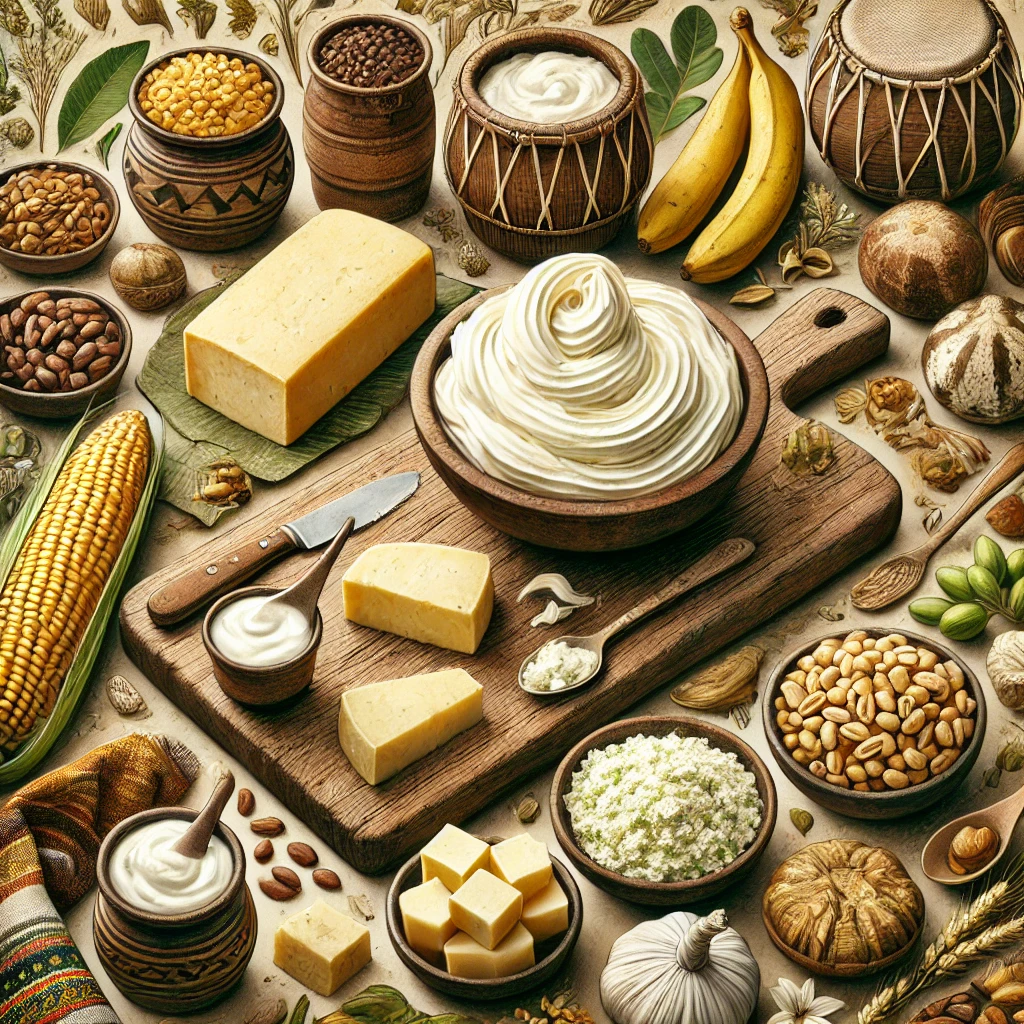
Amavuta cheese is a traditional dairy product from Burundi, representing the country’s deep connection to cattle, milk, and pastoral culture. While Burundi is not globally known for cheese in the European sense, Amavuta holds a special place in local food traditions as a rich, creamy, and nourishing dairy preparation that bridges the line between butter, fresh cheese, and fermented milk products.
The word amavuta generally refers to fat, oil, or butter-like dairy richness in Kirundi, Burundi’s national language. Amavuta cheese reflects a long-standing tradition of transforming fresh milk into a product that is flavorful, filling, and suitable for daily consumption in rural and semi-rural households.
Cultural and Geographic Roots of Amavuta Cheese
Burundi is a small, landlocked country in East Africa, characterized by:
-
Rolling hills and highlands
-
Fertile soil
-
Strong cattle-keeping traditions
Cattle are more than livestock in Burundian culture—they symbolize wealth, status, and social connection. Milk, therefore, has always been a valued food, especially in communities where refrigeration was historically unavailable.
Amavuta cheese emerged as a practical and cultural solution: a way to preserve milk, concentrate its nutrients, and create a versatile food that could be eaten alone or combined with staple dishes.
What Makes Amavuta Cheese Unique?
Amavuta cheese is unique because it does not strictly follow Western cheese categories. Instead, it reflects African dairy traditions, which prioritize:
-
Freshness
-
Fermentation
-
Simplicity
-
Nutritional density
Rather than aging cheese for long periods, Burundian households traditionally focused on fresh or lightly fermented dairy, resulting in products like Amavuta that are creamy, rich, and deeply satisfying.
Milk Source and Traditional Ingredients
Amavuta cheese is traditionally made from cow’s milk, which is widely available in Burundi’s highland regions.
Core Ingredients
-
Fresh cow’s milk
-
Natural fermentation or gentle heating
-
Minimal or no added salt
In some households, fermentation occurs naturally using traditional vessels, while others rely on gentle heating and separation of milk solids.
How Amavuta Cheese Is Traditionally Made
The production of Amavuta cheese varies slightly by region and family tradition, but the process remains simple and hands-on.
Traditional Preparation Process
-
Milk Collection
Fresh milk is collected, usually in the morning. -
Heating or Fermentation
Milk is gently warmed or left to ferment slightly, depending on the method. -
Separation of Solids
The milk thickens, and richer components rise or separate. -
Churning or Stirring
The mixture is stirred or lightly churned to concentrate fats and solids. -
Draining (Optional)
Excess liquid may be removed to achieve a thicker texture. -
Resting
The final product rests briefly before consumption.
The result is a creamy, buttery cheese-like dairy food rather than a firm cheese.
Texture and Appearance
| Feature | Description |
|---|---|
| Texture | Creamy to semi-thick |
| Moisture | High |
| Color | White to pale cream |
| Shape | Not molded |
| Rind | None |
Amavuta is usually spoonable rather than sliceable.
Taste Profile of Amavuta Cheese
Amavuta cheese is loved for its gentle yet rich flavor.
Flavor Characteristics
-
Creamy and buttery
-
Mildly tangy
-
Fresh dairy notes
-
Smooth, comforting finish
It is not sharp or salty, making it suitable for people of all ages.
Amavuta Cheese vs Western Cheeses
| Feature | Amavuta | Butter | Fresh Cheese |
|---|---|---|---|
| Texture | Creamy | Solid | Soft |
| Saltiness | Very low | Low–medium | Low |
| Aging | None | None | None |
| Cultural Role | Staple food | Condiment | Dish component |
Amavuta sits uniquely between butter and fresh cheese.
Traditional Uses in Burundian Cuisine
Amavuta cheese is deeply integrated into everyday meals.
Common Traditional Uses
-
Eaten with bananas or plantains
-
Served alongside beans or grains
-
Spread on cooked roots or bread
-
Consumed on its own as nourishment
Its richness enhances simple staple foods.
Amavuta in Daily Life and Social Culture
In many Burundian households, dairy foods like Amavuta are associated with:
-
Hospitality
-
Family nourishment
-
Care for children and elders
Offering milk-based foods is a sign of respect and generosity, especially in rural communities.
Nutritional Value of Amavuta Cheese
Amavuta cheese is valued for its energy and nutrition.
Nutritional Highlights
-
Healthy dairy fats
-
Protein for strength and growth
-
Calcium for bones and teeth
-
Easily digestible nutrients
Because it is rich, it is typically eaten in moderate portions.
Amavuta Cheese and Food Sustainability
Amavuta reflects sustainable food practices:
-
Minimal processing
-
No artificial additives
-
Local milk sourcing
-
Low food waste
It represents a food system built around availability and respect for resources.
Modern Adaptations and Urban Use
As Burundi urbanizes, Amavuta is adapting to new lifestyles.
Modern Uses
-
Breakfast dairy alternative
-
Mixed with honey or fruit
-
Served in cafés and local eateries
-
Incorporated into fusion dishes
Some producers are exploring hygienic packaging for city markets.
Amavuta Cheese in East African Context
Across East Africa, dairy traditions differ:
-
Rwanda has fermented milk products
-
Kenya emphasizes fresh milk and yogurt
-
Burundi’s Amavuta stands out for its buttery richness
It reflects Burundi’s unique dairy identity within the region.
Buying and Storing Amavuta Cheese
Buying Tips
-
Look for fresh preparation
-
Clean, mild aroma
-
Smooth consistency
Storage Tips
-
Refrigerate if possible
-
Consume within a short period
-
Avoid prolonged exposure to heat
Traditionally, it is made for quick consumption.
Cultural Importance of Amavuta Today
Amavuta cheese remains culturally important because it:
-
Preserves ancestral food knowledge
-
Supports local dairy farmers
-
Reflects Burundian identity
For many people, its taste is linked to childhood and home.
Why Amavuta Cheese Deserves Global Attention
As global interest grows in:
-
Traditional African foods
-
Minimalist dairy products
-
Cultural gastronomy
Amavuta cheese offers a fresh perspective on what “cheese” can be—simple, nourishing, and culturally meaningful.
Challenges to Global Recognition
Amavuta remains largely unknown internationally due to:
-
Short shelf life
-
Limited commercialization
-
Localized production
However, these challenges also preserve its authenticity.
The Future of Amavuta Cheese
With improved:
-
Cold storage
-
Food safety awareness
-
Cultural promotion
Amavuta could gain recognition as a heritage dairy product, both within Burundi and beyond.
Conclusion
Amavuta cheese from Burundi is a beautiful example of how food reflects land, culture, and daily life. Creamy, mild, and nourishing, it does not compete with aged European cheeses—it tells a different story, one rooted in simplicity, sustainability, and care.
For those seeking to understand African food traditions beyond stereotypes, Amavuta offers a meaningful taste of Burundi’s dairy heritage. It proves that great food does not need complexity—only tradition, intention, and respect for ingredients.
Frequently Asked Questions (FAQ)
What is Amavuta cheese made from?
It is made primarily from fresh cow’s milk using gentle heating or fermentation.
Is Amavuta cheese aged?
No, it is a fresh dairy product meant for quick consumption.
How does Amavuta cheese taste?
It tastes creamy, buttery, mildly tangy, and very gentle.
How is Amavuta traditionally eaten?
It is eaten with staple foods like bananas, beans, or grains.
Is Amavuta cheese salty?
No, it is typically very low in salt or unsalted.