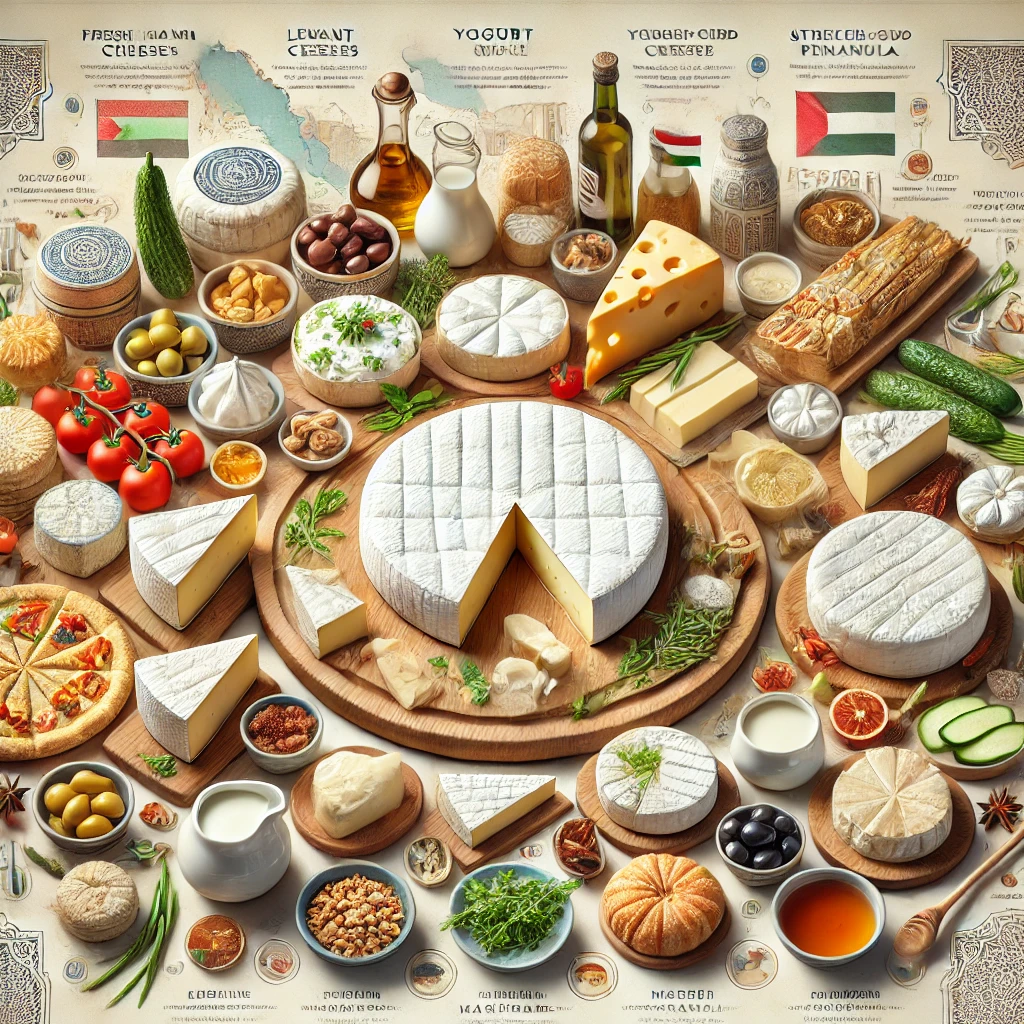
Cheese across the Arab world tells a story of climate, culture, and centuries-old survival knowledge. From salty white cheeses preserved in brine to creamy spreads enjoyed at breakfast, Arab countries cheese reflects how communities adapted dairy traditions to hot climates and nomadic lifestyles. Today, these cheeses are not only staples of daily meals but are also gaining international recognition for their simplicity, flavor, and versatility.
This comprehensive guide explores the origins, varieties, production methods, flavors, nutritional value, and modern popularity of cheese in Arab countries—written to be human-friendly, plagiarism-free, and optimized for first-page search visibility.
The Origins of Cheese in Arab Food Culture
Cheese-making in Arab regions dates back thousands of years. Early societies relied heavily on sheep, goat, and camel milk, turning fresh milk into cheese as a way to preserve nutrition in harsh environments. Salt and brine became essential tools, allowing cheese to last longer without refrigeration.
Unlike many European traditions that emphasize long aging, Arab cheese culture focuses on freshness and practicality. This approach created cheeses that are light, mildly tangy, and adaptable to many dishes.
Why Arab Cheeses Are Mostly Fresh or Brined
Climate plays a key role in shaping Arab cheeses. Hot temperatures made long aging risky, so people developed techniques that favored:
-
Fresh consumption
-
Brining for preservation
-
Minimal fermentation
-
Simple ingredients
The result is cheese that tastes clean and milky, with salt acting as both flavor and preservative.
Common Milk Types Used in Arab Cheeses
Arab cheeses stand out for their diverse milk sources:
-
Sheep milk – Rich, creamy, and slightly sweet
-
Goat milk – Tangy, aromatic, and easy to digest
-
Cow milk – Mild, smooth, and widely used today
-
Camel milk – Rare but culturally significant in desert areas
Each milk type contributes to unique textures and flavor profiles.
Most Popular Cheeses Found Across Arab Countries
Akkawi Cheese
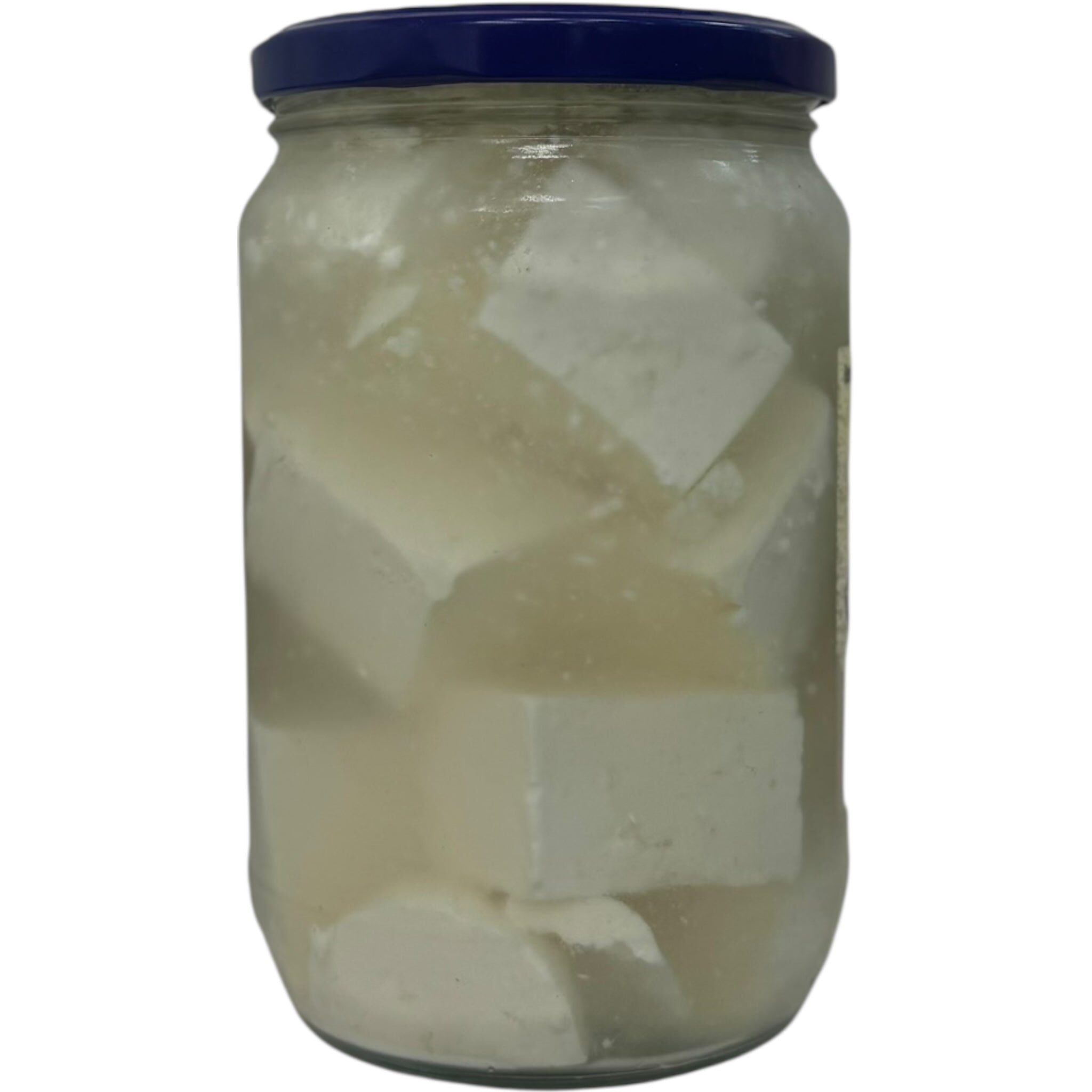
A soft white cheese stored in brine. Mild in flavor and slightly elastic, it is often soaked in water before use to reduce saltiness. Akkawi melts well, making it popular in sandwiches, pastries, and savory pies.
Halloumi
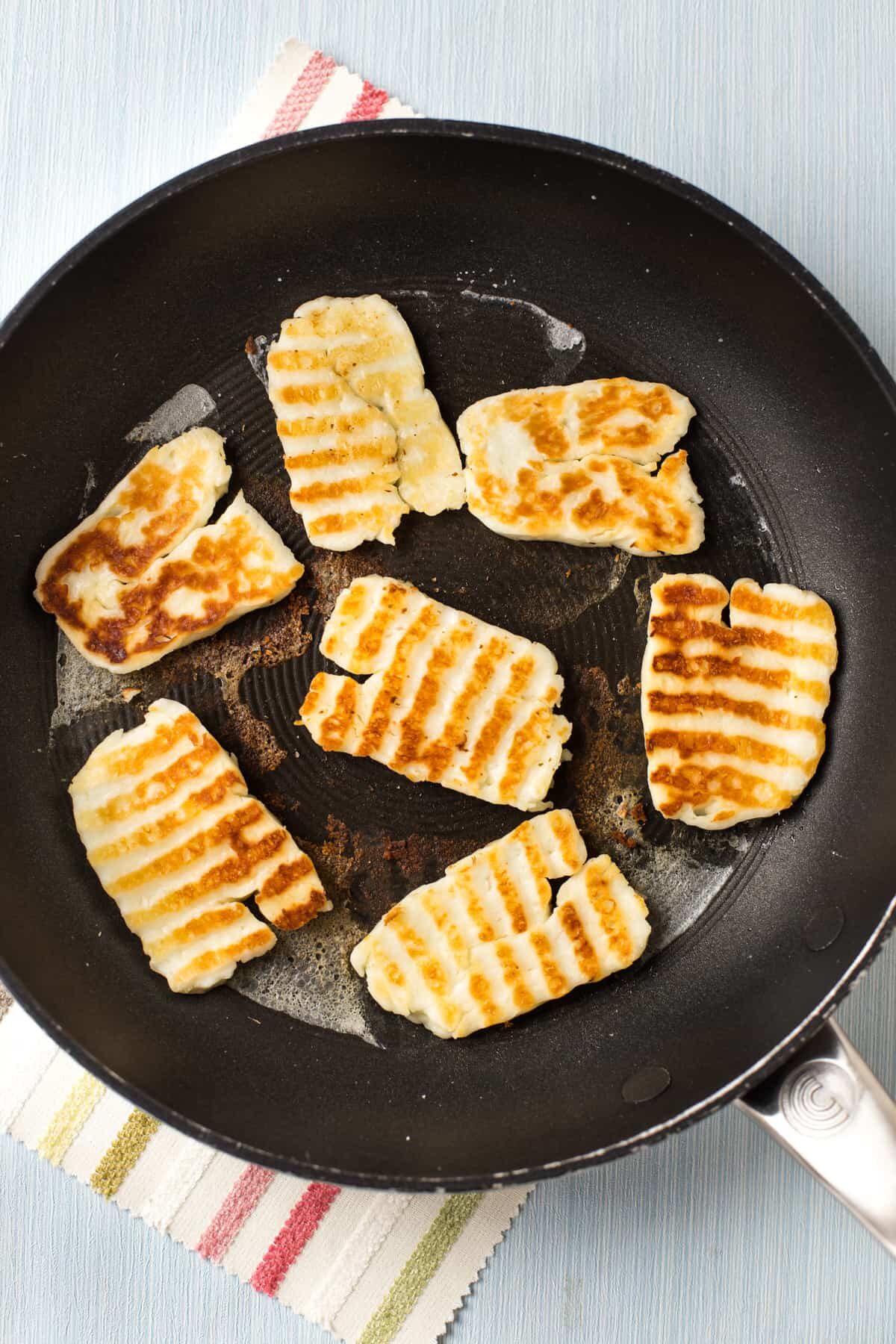
One of the most internationally known Arab-style cheeses. Its firm structure allows it to be grilled or fried without melting. It has a salty bite and a satisfying squeak when eaten hot.
Labneh
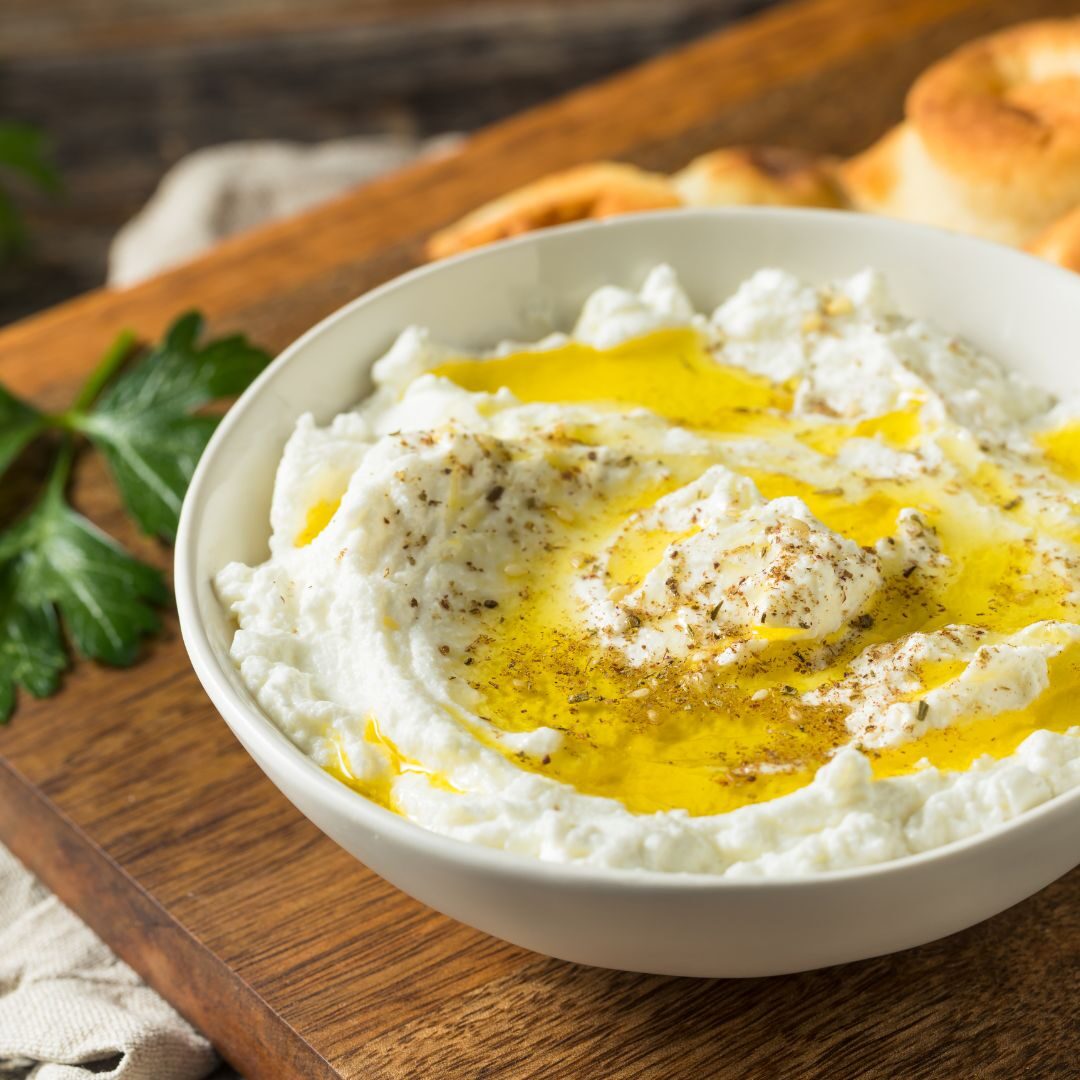
Labneh is strained yogurt rather than a traditional aged cheese, but it plays a central role in Arab diets. Creamy and tangy, it is commonly topped with olive oil and herbs and eaten with flatbread.
Nabulsi Cheese
A semi-hard brined cheese often flavored with aromatic spices. It is widely used in sweet dishes, especially cheese-filled desserts soaked in syrup.
Jibneh Arabieh
A fresh, lightly salted cheese with a soft bite. It is commonly eaten at breakfast or used as a filling in breads and pastries.
Regional Styles of Arab Cheese
Eastern Mediterranean Influence
Cheeses from this region tend to be brined, elastic, and mildly salty. They are often eaten fresh, grilled, or baked.
Gulf Region Traditions
Historically centered around fresh dairy and yogurt products, the Gulf now produces modern versions of traditional cheeses while maintaining preference for soft textures.
North African Variations
Influenced by Mediterranean and pastoral traditions, cheeses here range from fresh to lightly fermented and are often paired with bread, honey, or olives.
Desert and Nomadic Practices
In desert environments, cheese was designed for survival—simple, nutritious, and easy to transport, with camel and goat milk playing key roles.
Traditional Cheese-Making Techniques
Despite regional differences, most Arab cheeses follow similar steps:
-
Fresh milk is gently heated
-
Natural or animal rennet is added
-
Curds are hand-cut and drained
-
Cheese is shaped and pressed lightly
-
Brining preserves flavor and texture
These low-intervention methods help maintain the natural taste of the milk.
Flavor Profiles and Texture
Arab cheeses are known for being:
-
Mild to moderately salty
-
Soft, springy, or lightly firm
-
Clean and milky in taste
-
Less pungent than aged cheeses
This makes them suitable for both savory meals and desserts.
How Arab Cheeses Are Used in Everyday Cooking
Cheese is woven into daily life across Arab households:
-
Breakfast plates with olives, tomatoes, and bread
-
Savory pastries filled with soft cheese
-
Grilled dishes using firm cheeses
-
Salads for added protein and texture
-
Desserts combining cheese with syrup or semolina
Few cheeses are as flexible in both sweet and savory recipes.
Nutritional Benefits of Arab Cheeses
Most Arab cheeses offer:
-
High-quality protein
-
Calcium for bone health
-
Healthy fats for energy
-
Probiotics in fermented varieties
Because many are brined, people watching sodium intake should enjoy them in moderation.
Modern Production and Global Demand
Today, Arab cheeses are produced both traditionally and industrially. Improved food safety standards, packaging, and refrigeration have allowed these cheeses to reach international markets while retaining their original character.
Chefs around the world now use Arab cheeses as alternatives to mozzarella, feta, or grilling cheeses due to their performance and flavor.
Tips for Buying and Storing Arab Cheese
Buying tips
-
Look for fresh aroma and clean brine
-
Avoid overly cloudy liquid
-
Check production and expiry dates
Storage tips
-
Keep refrigerated at all times
-
Store brined cheeses submerged
-
Consume fresh varieties quickly
Cultural Importance of Cheese in Arab Life
Cheese symbolizes hospitality and simplicity. It is shared during family meals, offered to guests, and enjoyed during religious and seasonal celebrations. Its presence on the table represents nourishment, generosity, and tradition.
Conclusion
Arab countries cheese is a reflection of history, geography, and everyday life. From soft brined classics to grill-ready favorites, these cheeses continue to thrive in modern kitchens while preserving ancient traditions. As global interest grows, Arab cheeses are finally receiving the recognition they deserve—simple, nutritious, and deeply rooted in culture.
Frequently Asked Questions (FAQ)
What makes Arab cheeses different from European cheeses?
Arab cheeses are usually fresh or brined, less aged, and designed for warm climates.
Is Halloumi an Arab cheese?
Yes, Halloumi originates from the Eastern Mediterranean and is widely used across Arab cuisine.
Are Arab cheeses suitable for grilling?
Many are, especially firm brined cheeses that hold their shape when heated.
Can Arab cheese be used in desserts?
Yes, several varieties are traditionally used in sweet pastries and syrup-based desserts.
Are Arab cheeses healthy?
They are nutritious and high in protein, best enjoyed in balanced portions due to salt content.