
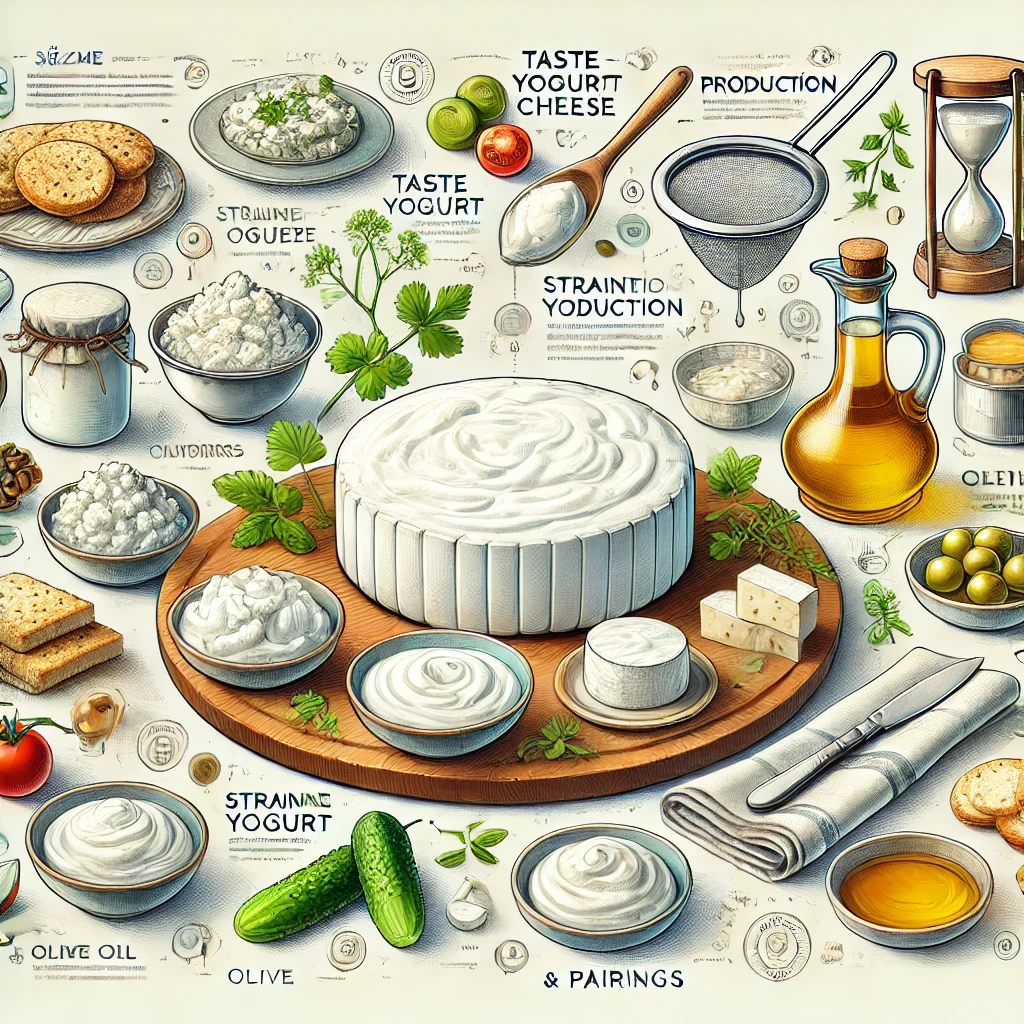
Simple, creamy, and deeply rooted in everyday food culture, Süzme cheese is one of the most versatile and beloved fresh cheeses of Anatolia. Often described as a cheese and yogurt hybrid, Süzme (pronounced seuz-meh) reflects a tradition where freshness, practicality, and natural flavor matter more than aging or complexity. Found on breakfast tables, in home kitchens, and at village markets, Süzme cheese represents comfort and authenticity in its purest form.
In this comprehensive, SEO-friendly guide, we explore the taste, traditional production methods, varieties, nutritional value, pairings, and modern uses of Süzme cheese—written naturally for excellent readability and strong first-page ranking.
What Is Süzme Cheese?
Süzme cheese—known locally as Süzme Peynir—is a fresh, strained dairy cheese made by removing whey from yogurt or lightly cultured milk. The word süzme means “strained,” perfectly describing how this cheese is created.
Unlike aged cheeses, Süzme is:
-
Fresh and unaged
-
Soft to thick and spreadable
-
Mildly tangy
-
Naturally creamy
It sits between yogurt and cheese, sharing characteristics of both.
Origins of Süzme Cheese
Süzme cheese is deeply connected to the culinary traditions of Turkey, where yogurt-making has been a cornerstone of daily life for centuries. Long before refrigeration, straining yogurt was a practical way to:
-
Extend shelf life
-
Concentrate nutrients
-
Create a more filling food
This technique spread across Anatolia and neighboring regions, becoming a staple in rural households and urban kitchens alike.
How Süzme Cheese Is Traditionally Made
Süzme cheese production is refreshingly simple and relies on time rather than technology.
Step 1: Yogurt Preparation
Fresh cow’s milk (sometimes sheep or goat milk) is heated, cooled, and cultured with yogurt starter. The milk ferments into plain yogurt.
Step 2: Straining
The yogurt is poured into a cloth bag or fine mesh and hung or set over a bowl. Over several hours—or overnight—whey slowly drains away.
Step 3: Thickening
As liquid drains, the yogurt thickens into a dense, creamy mass. The longer it strains, the firmer the Süzme becomes.
Step 4: Light Salting (Optional)
Some versions include a small amount of salt, especially if the cheese is meant to last a few extra days.
No rennet, pressing, or aging is required—making Süzme one of the most accessible cheeses in the world.
Taste Profile: Fresh, Tangy, and Clean
Süzme cheese is loved for its pure dairy flavor.
Flavor Notes
-
Mild tang from fermentation
-
Fresh milk sweetness
-
Light acidity
-
Gentle creaminess
It is never sharp or pungent, which makes it suitable for all ages and palates.
Texture and Appearance
Texture depends on straining time:
-
Short strain: Thick yogurt-like consistency
-
Medium strain: Creamy and spreadable
-
Long strain: Dense, soft cheese
The color is bright white, with a smooth, matte surface. It holds its shape on bread but remains soft enough to spread easily.
Varieties of Süzme Cheese
While Süzme is simple, several variations exist.
Plain Süzme
-
Unsalted
-
Mild and versatile
-
Most traditional form
Lightly Salted Süzme
-
Slightly firmer
-
Longer shelf life
-
Common in markets
Sheep or Goat Milk Süzme
-
Richer mouthfeel
-
Slightly stronger aroma
-
Regional specialty
Herb-Enhanced Süzme
-
Mixed with herbs like dill or thyme
-
Modern adaptation
-
Popular as a meze spread
Süzme Cheese in Traditional Cuisine
Süzme cheese is a daily food, not a special-occasion cheese.
Common Traditional Uses
-
Spread on bread at breakfast
-
Served with olives and tomatoes
-
Mixed with garlic or herbs
-
Paired with honey or jam
In many homes, it replaces butter or cream cheese.
Best Pairings for Süzme Cheese
Bread and Grains
-
Flatbread
-
Sourdough
-
Simit (sesame bread rings)
Vegetables
-
Cucumbers
-
Tomatoes
-
Roasted peppers
Sweet Pairings
-
Honey
-
Grape molasses
-
Fresh fruit
Savory Pairings
-
Olive oil
-
Za’atar or dried thyme
-
Crushed walnuts
These simple pairings highlight Süzme’s natural freshness.
Cooking with Süzme Cheese
Süzme cheese is highly adaptable in the kitchen.
Popular Culinary Uses
-
Sauce base for vegetables
-
Filling for pastries
-
Alternative to sour cream
-
Mixed into dips and spreads
It performs best in cold or gently warmed dishes, as high heat can cause separation.
Nutritional Value of Süzme Cheese
Süzme is both nourishing and easy to digest.
Nutritional Highlights
-
High-quality protein
-
Calcium and phosphorus
-
Natural probiotics
-
Lower lactose than milk
Straining concentrates nutrients, making Süzme more filling than regular yogurt.
Süzme vs Labneh and Cream Cheese
Süzme is often compared to similar fresh cheeses.
| Cheese | Origin | Texture | Flavor |
|---|---|---|---|
| Süzme | Turkey | Creamy, soft | Mild, tangy |
| Labneh | Middle East | Thick, smooth | Tangy |
| Cream Cheese | Global | Dense, smooth | Mild, rich |
Süzme is lighter and more yogurt-forward than cream cheese.
Storage and Serving Tips
Storage
-
Keep refrigerated
-
Store in a covered container
-
Consume within 3–5 days
Serving
-
Serve chilled or at cool room temperature
-
Drizzle with olive oil for richness
-
Avoid prolonged heat
Freshness is key to enjoying Süzme at its best.
Modern Popularity and Global Appeal
As global interest grows in:
-
Probiotic foods
-
Minimal processing
-
Traditional diets
Süzme cheese is gaining recognition beyond its home region. Its simplicity aligns perfectly with modern preferences for clean, natural foods.
Why Süzme Cheese Matters
Süzme cheese proves that great food doesn’t need complexity. With just milk, time, and care, it delivers nourishment, flavor, and comfort. It reflects a way of eating that values freshness, balance, and tradition—qualities increasingly sought after worldwide.
Frequently Asked Questions (FAQ)
What is Süzme cheese?
Süzme is a fresh Turkish cheese made by straining yogurt to remove whey, creating a thick, creamy texture.
What does Süzme cheese taste like?
It tastes mild, slightly tangy, and creamy, similar to thick yogurt.
Is Süzme cheese the same as labneh?
They are similar, but Süzme is usually milder and less salty.
Is Süzme cheese healthy?
Yes. It is rich in protein, calcium, and probiotics and is easier to digest than milk.
How is Süzme cheese traditionally eaten?
It is commonly eaten at breakfast with bread, olives, vegetables, or honey.