In the eastern Mediterranean, cheese is more than food—it is history, culture, and daily life. Among the most respected and intensely flavored cheeses of the region is Kefalotyri, a hard, salty cheese that holds a special place in Cypriot cuisine. While Kefalotyri is also associated with Greece, the Cypriot version has developed its own identity, shaped by local milk, climate, and culinary customs.
In this in-depth, SEO-friendly guide, we explore Kefalotyri cheese from Cyprus, covering its origins, production methods, taste profile, varieties, pairings, cultural role, and modern uses—written clearly and naturally for strong first-page ranking and excellent readability.
What Is Kefalotyri Cheese?
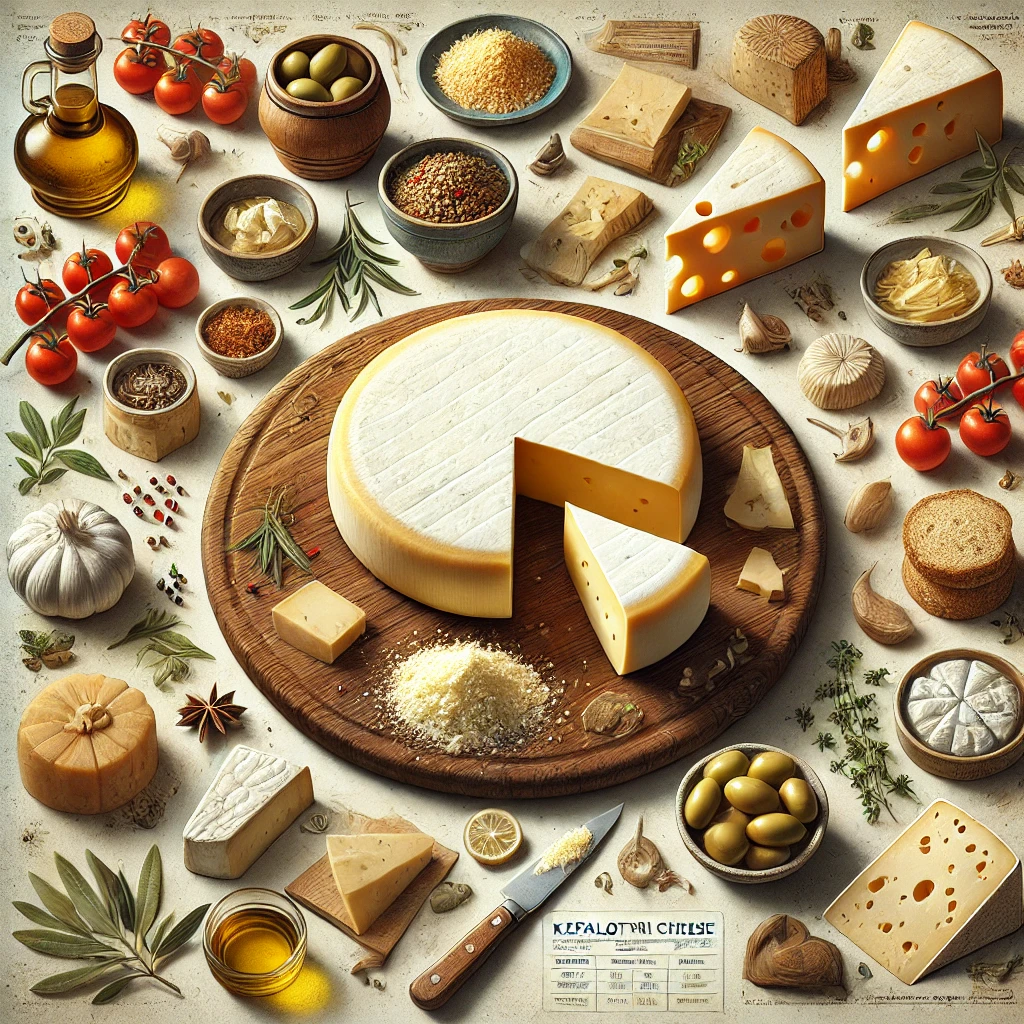
Kefalotyri is a hard, aged Mediterranean cheese traditionally made from sheep’s milk or a blend of sheep’s and goat’s milk. Its name comes from the Greek words kefali (head) and tyri (cheese), referring to the large wheel-shaped form in which it is produced.
In Cyprus, Kefalotyri is prized for its:
-
Firm, dense texture
-
Pronounced saltiness
-
Sharp, savory flavor
-
Excellent grating and frying qualities
It is a cheese designed to last, making it ideal for warm climates and traditional storage methods.
The Origins of Kefalotyri in Cyprus
Cheesemaking in Cyprus dates back thousands of years, influenced by ancient Greek, Byzantine, and Middle Eastern food traditions. Sheep and goats have long been the primary livestock on the island, perfectly adapted to its dry terrain and sparse grazing.
Kefalotyri emerged as a practical preservation cheese, allowing excess milk to be transformed into a durable, nutrient-dense food. Over generations, Cypriot families refined the process, producing a cheese that could be stored for months and used in a wide variety of dishes.
While modern Cyprus is best known internationally for Halloumi, Kefalotyri remains a deeply respected traditional cheese, especially in rural households.
How Kefalotyri Cheese Is Made in Cyprus
Cypriot Kefalotyri follows traditional hard-cheese methods with regional nuances.
Milk Selection
Sheep’s milk is preferred for its richness, though goat’s milk or a blend may be used. The milk’s natural fat and protein levels contribute to Kefalotyri’s robust body.
Curdling and Cutting
The milk is gently heated and coagulated with rennet. The curd is cut finely and reheated to expel whey, creating a dense structure.
Pressing and Salting
Curds are pressed into large wheels and heavily salted. Salting is essential, both for preservation and for developing Kefalotyri’s signature salty bite.
Aging
Kefalotyri is aged for several months to over a year. During aging:
-
Moisture decreases
-
Texture becomes hard and crumbly
-
Flavor sharpens and intensifies
Longer-aged Kefalotyri is especially valued for grating.
Taste Profile: Bold, Salty, and Savory
Kefalotyri is not a subtle cheese—it is intentionally powerful.
Flavor Notes
-
Strong saltiness
-
Sharp, savory depth
-
Nutty undertones
-
Slightly spicy finish
The sheep’s milk base adds richness that balances the salt, preventing the cheese from tasting harsh.
Texture and Appearance
-
Hard and compact
-
Dry but not brittle
-
Pale yellow interior
-
Smooth or lightly textured rind
When grated, Kefalotyri forms fine shavings that melt easily into hot dishes.
Cypriot Varieties of Kefalotyri
Although not formally classified, Kefalotyri in Cyprus appears in several recognizable forms.
Sheep’s Milk Kefalotyri
-
Most traditional
-
Rich and intense
-
Strong aroma
Sheep–Goat Blend Kefalotyri
-
Slightly lighter texture
-
Balanced sharpness
-
Common in mixed-farming areas
Extra-Aged Kefalotyri
-
Very hard and crumbly
-
Deep, concentrated flavor
-
Ideal for grating
Each reflects local milk availability and aging preferences.
Kefalotyri in Cypriot Cuisine
In Cyprus, Kefalotyri is a workhorse cheese, valued for its versatility.
Traditional Uses
-
Grated over pasta and rice dishes
-
Added to vegetable bakes
-
Used in savory pastries
-
Fried as saganaki
Its ability to withstand heat makes it especially popular in cooking.
Best Pairings for Kefalotyri Cheese
Bread and Grains
-
Rustic village bread
-
Barley rusks
-
Pasta and bulgur dishes
Vegetables
-
Tomatoes
-
Zucchini
-
Eggplant
Fruits
-
Pears
-
Figs
Sweetness balances Kefalotyri’s saltiness.
Drinks
-
Dry white wines
-
Light red wines
-
Traditional Cypriot spirits
High-acidity drinks help cut through the cheese’s richness.
Kefalotyri vs Halloumi
Cyprus is famous for Halloumi, but the two cheeses serve different roles.
| Feature | Kefalotyri | Halloumi |
|---|---|---|
| Texture | Hard, aged | Semi-firm |
| Saltiness | Very salty | Moderately salty |
| Aging | Months to years | Fresh |
| Best Uses | Grating, frying | Grilling, frying |
Kefalotyri is more intense and better suited for seasoning dishes.
Nutritional Value
Kefalotyri is dense and nourishing.
Nutritional Highlights
-
High-quality protein
-
Calcium and phosphorus
-
Energy-rich fats
Due to its salt content, it is best enjoyed in moderate portions.
Storage and Serving Tips
Storage
-
Keep refrigerated
-
Wrap tightly to prevent drying
-
Avoid moisture
Serving
-
Bring to room temperature before serving
-
Grate or slice thinly
-
Use sparingly due to intensity
Modern Production and Availability
Today, Kefalotyri is produced both artisanally and commercially in Cyprus. While large dairies offer consistent quality, many locals still prefer small-batch, traditionally aged wheels for their depth of flavor.
Growing global interest in Mediterranean cheeses is helping Kefalotyri gain renewed attention beyond the island.
Why Kefalotyri from Cyprus Matters
Kefalotyri represents Cyprus’s older cheesemaking traditions—those built around preservation, strength, and simplicity. It reflects an era when food needed to last, nourish, and adapt to climate and lifestyle.
In a world increasingly interested in authentic, heritage foods, Kefalotyri stands out as a salty, satisfying link to the Mediterranean past.
Frequently Asked Questions (FAQ)
What is Kefalotyri cheese from Cyprus?
It is a traditional Cypriot hard cheese made mainly from sheep’s milk or a sheep–goat blend, known for its salty, sharp flavor.
What does Cypriot Kefalotyri taste like?
It tastes bold, salty, savory, and slightly nutty, with a sharp finish that intensifies with age.
How is Kefalotyri used in Cypriot cooking?
It is grated over dishes, used in baking, and fried as saganaki.
Is Kefalotyri the same as Halloumi?
No. Kefalotyri is aged and hard, while Halloumi is fresh and semi-firm.
How should Kefalotyri be stored?
Wrap it well and refrigerate. Grated or sliced portions should be used promptly.