
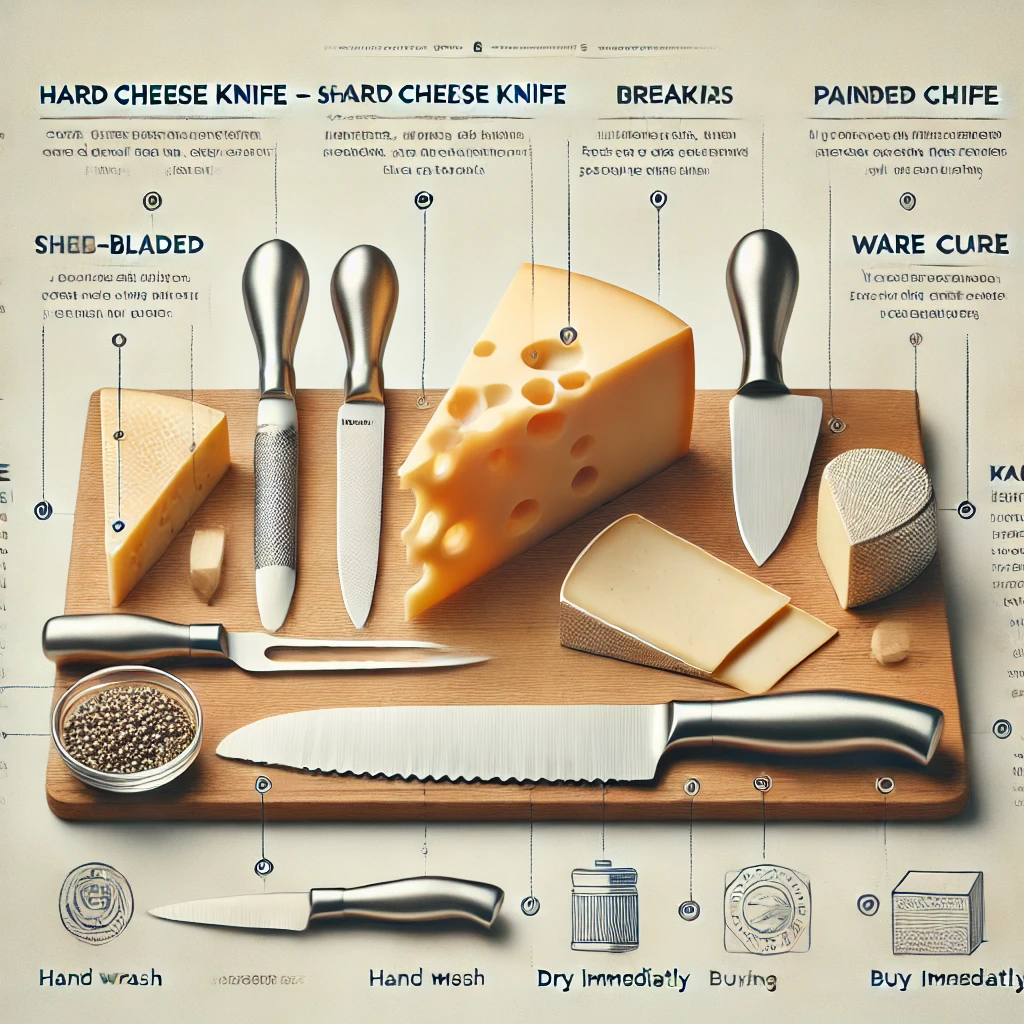
Cutting cheese properly is more than a matter of presentation—it affects texture, flavor release, and even safety. When it comes to firm, aged cheeses, using the right tool is essential. A hard cheese knife is specifically designed to handle dense cheeses like aged Gouda, Parmigiano-style cheeses, and other long-matured varieties without crumbling or slipping.
This comprehensive, SEO-friendly guide explains hard cheese knife uses, materials, blade types, care tips, and how to choose the best one, written in a clear, human style optimized for first-page ranking and easy readability.
What Is a Hard Cheese Knife?
A hard cheese knife is a specialized cutting tool designed to break, split, shave, or cut dense and aged cheeses. Unlike soft cheese knives, which rely on thin blades and cut-through motion, hard cheese knives often use:
-
Shorter, stronger blades
-
Thick spines for leverage
-
Pointed or chisel-style tips
Some are used for slicing, while others are meant to split cheese along natural fault lines, preserving texture.
Why Hard Cheeses Need Special Knives
Hard cheeses are fundamentally different from soft or semi-soft cheeses.
Characteristics of Hard Cheeses
-
Low moisture content
-
Dense protein structure
-
Crystalline texture
-
Brittle when aged
Using a standard kitchen knife can:
-
Cause uneven crumbling
-
Be dangerous due to slipping
-
Damage the cheese’s natural structure
A hard cheese knife gives you control, safety, and cleaner results.
Main Uses of a Hard Cheese Knife
Hard cheese knives are versatile tools with several specific uses.
1. Breaking and Splitting
Many aged cheeses are best broken, not sliced. A hard cheese knife allows you to insert the blade and apply pressure to split the cheese naturally.
2. Cutting Wedges
For medium-hard cheeses, the knife helps cut clean wedges without crushing the interior.
3. Shaving and Chipping
Some knives are designed to shave thin pieces for garnishing salads or pasta dishes.
4. Serving Cheese Boards
Hard cheese knives help create visually appealing pieces that showcase texture and crystals.
Types of Hard Cheese Knives
Not all hard cheese knives are the same. Each design serves a different purpose.
Parmesan Knife (Almond or Chisel Shape)
-
Short, thick blade
-
Pointed or chisel tip
-
Ideal for very hard, aged cheeses
This is the most traditional hard cheese knife.
Cleaver-Style Cheese Knife
-
Rectangular blade
-
Adds leverage and strength
-
Good for large wheels
Often used in professional settings.
Hard Cheese Plane
-
Flat blade with a slicing slot
-
Produces thin shavings
-
Ideal for garnishing
Best for presentation rather than breaking.
Dual-Handled Hard Cheese Cutter
-
Two handles
-
Used with downward force
-
Designed for large cheese blocks
Less common at home, more common in cheese shops.
Materials Used in Hard Cheese Knives
The quality of a hard cheese knife depends heavily on its materials.
Blade Materials
Stainless Steel
-
Most common
-
Rust-resistant
-
Easy to maintain
High-carbon stainless steel offers excellent durability and sharpness.
Carbon Steel
-
Extremely sharp
-
Develops patina over time
-
Requires more care
Preferred by traditionalists and professionals.
Handle Materials
Wood
-
Comfortable grip
-
Traditional appearance
-
Requires hand washing
Plastic or Composite
-
Hygienic
-
Dishwasher-safe (in some cases)
-
Lightweight
Metal
-
Durable and modern
-
Can feel cold or slippery
Choose a handle that balances comfort and control.
How to Use a Hard Cheese Knife Correctly
Proper technique improves both safety and results.
Step-by-Step Use
-
Place cheese on a stable surface
-
Insert the knife tip where natural cracks appear
-
Apply slow, steady pressure
-
Let the cheese split naturally
-
Repeat for evenly sized pieces
Avoid forcing straight cuts through very hard cheeses.
Hard Cheese Knife vs Regular Kitchen Knife
| Feature | Hard Cheese Knife | Kitchen Knife |
|---|---|---|
| Blade thickness | Thick | Thin |
| Strength | High | Moderate |
| Safety | Designed for force | Can slip |
| Result | Clean breaks | Crumbling |
A kitchen knife may work occasionally, but it’s not ideal for repeated use.
How to Care for a Hard Cheese Knife
Proper care extends the life of your knife and keeps it safe to use.
Cleaning
-
Hand wash immediately after use
-
Dry thoroughly
-
Avoid soaking wooden handles
Dishwashers can damage blades and handles over time.
Storage
-
Use a blade guard
-
Store in a knife block or drawer organizer
-
Avoid loose drawer storage
Proper storage prevents dulling and accidents.
Sharpening
-
Use a whetstone or professional service
-
Avoid pull-through sharpeners for thick blades
-
Sharpen less often than kitchen knives
Hard cheese knives don’t need razor edges, just strong, clean ones.
Buying Guide: How to Choose the Best Hard Cheese Knife
When buying a hard cheese knife, consider the following factors.
1. Cheese Type
-
Very hard cheeses → Parmesan-style knife
-
Medium-hard cheeses → Sturdy wedge knife
-
Shaving needs → Cheese plane
2. Blade Strength
Look for:
-
Thick spine
-
Solid construction
-
No flex
Strength matters more than sharpness.
3. Handle Comfort
-
Non-slip grip
-
Balanced weight
-
Comfortable shape
You’ll often apply pressure, so ergonomics matter.
4. Home vs Professional Use
-
Home use: One quality knife is enough
-
Professional use: Multiple specialized tools
Buy based on how often you serve or prepare cheese.
Price Range and Value
Hard cheese knives are available at many price points.
-
Budget: Simple stainless steel tools
-
Mid-range: Well-balanced, branded knives
-
Premium: Handcrafted or artisan blades
Higher price usually means better balance, durability, and finish.
Common Mistakes to Avoid
-
Using thin chef’s knives on very hard cheese
-
Forcing straight cuts instead of splitting
-
Washing wooden handles in dishwashers
-
Storing knives loose in drawers
Avoiding these mistakes improves safety and longevity.
Who Should Own a Hard Cheese Knife?
A hard cheese knife is ideal for:
-
Cheese lovers
-
Home entertainers
-
Cooking enthusiasts
-
Anyone who enjoys aged cheeses
If hard cheese appears regularly on your table, this tool is worth owning.
Why a Proper Hard Cheese Knife Matters
Using the right knife respects both the cheese and the person serving it. A hard cheese knife:
-
Preserves texture
-
Enhances presentation
-
Improves safety
-
Makes serving easier
It turns cheese cutting from a struggle into a pleasure.
Frequently Asked Questions (FAQ)
What is a hard cheese knife used for?
It is used to split, cut, or shave hard and aged cheeses without crumbling.
Can I use a regular knife for hard cheese?
You can, but it’s less safe and often damages the cheese’s texture.
What is the best blade material for a hard cheese knife?
Stainless steel is the most practical choice for durability and low maintenance.
How do I clean a hard cheese knife?
Hand wash with warm water, dry immediately, and avoid dishwashers.
Do I need more than one hard cheese knife?
For home use, one quality knife is usually sufficient.