
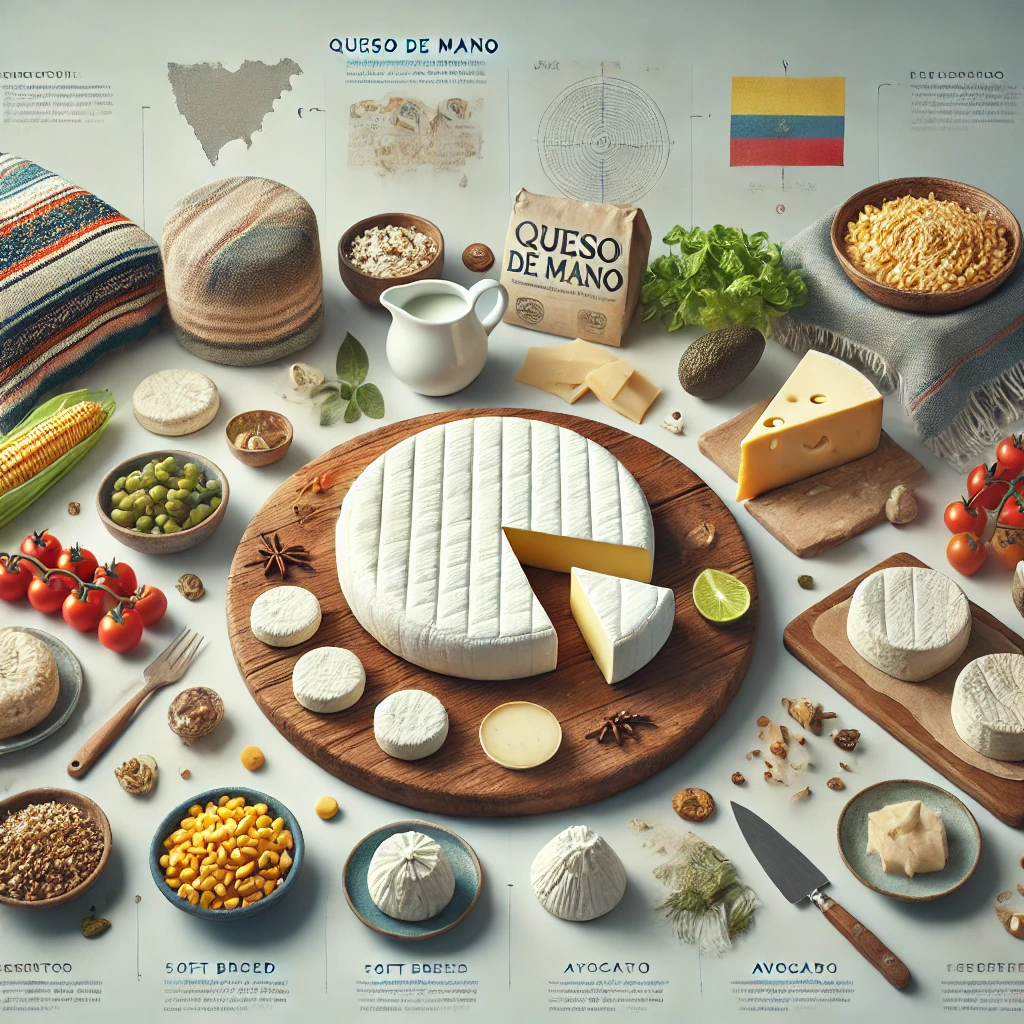
Across the Andean highlands of Ecuador, cheese is not just food—it is a daily craft shaped by hands, memory, and landscape. One of the most cherished expressions of this tradition is Queso de Mano, a fresh, handmade cheese that reflects simplicity, freshness, and cultural continuity. Soft, mild, and made without industrial shortcuts, Queso de Mano remains a staple in rural homes and local markets.
In this comprehensive, SEO-friendly guide, we explore Queso de Mano from Ecuador, covering its origins, traditional production, taste profile, regional variations, pairings, cultural importance, and modern relevance. Written in a clear, human tone, this article is optimized for strong first-page ranking and excellent readability.
What Is Queso de Mano?
Queso de Mano is a traditional Ecuadorian fresh cheese, handcrafted primarily from cow’s milk. The name literally means “hand cheese,” referring to the way the curd is shaped and pressed manually rather than with molds or machinery.
Key characteristics include:
-
Fresh, unaged cheese
-
Soft to semi-soft texture
-
Mild, milky flavor
-
Light salting or unsalted
-
Short shelf life
Queso de Mano is designed for immediate consumption, celebrating milk in its purest form.
Origins of Queso de Mano in Ecuador
Queso de Mano is deeply rooted in the rural Andes of Ecuador, where small-scale dairy farming has long been part of everyday life. Highland regions with cool climates and fertile pastures are ideal for raising cattle and producing fresh milk.
Historically, families made Queso de Mano:
-
At home or on small farms
-
Using milk from their own cows
-
For household use and local trade
Without access to refrigeration or aging facilities, fresh cheese became the most practical and nourishing option.
Why Queso de Mano Is Made by Hand
The handmade nature of Queso de Mano is not symbolic—it is functional.
Practical Reasons
-
No need for specialized equipment
-
Gentle handling preserves moisture
-
Hands allow control over texture
Cultural Reasons
-
Knowledge passed through generations
-
Cheesemaking as part of daily routine
-
Pride in manual craftsmanship
Each cheese reflects the maker’s experience and local conditions, making no two exactly alike.
How Queso de Mano Is Traditionally Made
Queso de Mano follows a simple but precise process that values freshness and care.
Step 1: Fresh Milk Collection
Fresh cow’s milk is collected, often early in the morning. Milk quality is crucial, as there is little processing to mask imperfections.
Step 2: Gentle Heating
The milk is warmed slightly—never boiled—to prepare it for curdling.
Step 3: Coagulation
Natural rennet or traditional coagulants are added. The milk sets into a soft curd.
Step 4: Hand Shaping
The curd is cut and gently pressed by hand to remove whey. This step gives Queso de Mano its name and characteristic texture.
Step 5: Light Salting (Optional)
Some versions include a small amount of salt, while others remain completely fresh and unsalted.
The cheese is ready to eat within hours.
Taste Profile: Mild, Milky, and Comforting
Queso de Mano is loved for its clean and gentle flavor.
Flavor Notes
-
Fresh milk sweetness
-
Very mild tang
-
Low salt
-
Clean, creamy finish
Its subtle taste makes it highly versatile and widely appealing.
Texture and Appearance
-
Soft and slightly springy
-
Moist but not runny
-
Smooth surface
-
White to pale ivory color
When sliced, it holds its shape while remaining tender.
Regional Variations of Queso de Mano
Because Queso de Mano is a household cheese, regional styles naturally emerge.
Highland Queso de Mano
-
Slightly firmer
-
Made in cooler climates
-
Mild and dense
Lowland Queso de Mano
-
Softer and moister
-
Higher milk fat content
-
Extremely fresh
Lightly Salted Versions
-
Slightly longer shelf life
-
More savory finish
-
Common in local markets
Each variation reflects climate, milk quality, and family tradition.
Queso de Mano in Ecuadorian Cuisine
Queso de Mano is a daily cheese, not reserved for special occasions.
Traditional Uses
-
Served with warm bread
-
Paired with boiled potatoes
-
Added to corn-based dishes
-
Eaten at breakfast or as a snack
It is often enjoyed warm, allowing its softness to shine.
Best Pairings for Queso de Mano
Grains and Breads
-
Fresh bread rolls
-
Corn tortillas
-
Arepas
Vegetables
-
Potatoes
-
Corn
-
Tomatoes
Sweet Pairings
-
Guava paste
-
Honey
-
Fresh fruit
Drinks
-
Coffee
-
Herbal teas
-
Fresh milk
The cheese’s mildness allows both savory and sweet pairings.
Nutritional Value of Queso de Mano
Queso de Mano is nourishing and easy to digest.
Nutritional Highlights
-
High-quality protein
-
Calcium and phosphorus
-
Natural dairy fats
-
Minimal processing
Because it is fresh, it retains much of milk’s original nutritional profile.
Queso de Mano vs Other Latin American Fresh Cheeses
| Cheese | Country | Texture | Flavor |
|---|---|---|---|
| Queso de Mano | Ecuador | Soft | Mild, milky |
| Queso Fresco | Mexico | Crumbly | Lightly salty |
| Cuajada | Colombia | Soft | Slightly tangy |
Queso de Mano is among the mildest and freshest of these cheeses.
Storage and Shelf Life
Storage Tips
-
Keep refrigerated
-
Store in a covered container
-
Consume within a few days
Shelf Life
-
Best eaten within 1–3 days
-
Flavor and texture decline quickly
Freshness is essential to enjoying Queso de Mano at its best.
Modern Challenges and Preservation
Queso de Mano faces several challenges:
-
Industrial dairy competition
-
Urbanization
-
Food safety regulations
However, interest in artisanal and traditional foods is helping preserve this cheese. Farmers’ markets, rural tourism, and culinary heritage projects are giving Queso de Mano renewed visibility.
Cultural Significance of Queso de Mano
Queso de Mano represents:
-
Rural self-sufficiency
-
Generational knowledge
-
Connection between land, animal, and family
It is often associated with home, childhood memories, and everyday comfort rather than luxury.
How to Enjoy Queso de Mano Today
Traditional
-
Warm with bread and potatoes
-
Fresh and plain
Modern
-
Added to salads
-
Grilled lightly
-
Used in sandwiches
Its simplicity makes it adaptable without losing identity.
Why Queso de Mano Cheese Matters
Queso de Mano shows that great cheese doesn’t need aging caves or complex recipes. It thrives on fresh milk, skilled hands, and tradition. In a global food culture increasingly drawn to authenticity, this Ecuadorian handmade cheese offers a genuine taste of place and people.
Frequently Asked Questions (FAQ)
What is Queso de Mano?
Queso de Mano is a traditional Ecuadorian fresh cheese made by hand from cow’s milk.
What does Queso de Mano taste like?
It tastes mild, milky, and lightly creamy with very low salt.
Is Queso de Mano aged?
No. It is a fresh cheese meant to be eaten shortly after production.
How is Queso de Mano traditionally eaten?
It is eaten with bread, potatoes, corn dishes, or enjoyed plain as a snack.
Is Queso de Mano still made today?
Yes. It is still widely made in rural areas of Ecuador and sold in local markets.