In the vast culinary landscape of Iran, dairy products hold a special place—especially those shaped by climate, scarcity, and centuries of ingenuity. One of the most fascinating examples is Kashk-e Zard, a traditional Iranian cheese-like food that blurs the line between cheese, fermented dairy, and preserved staple. Made to last, nourish, and travel well, Kashk-e Zard reflects rural wisdom and Iran’s long relationship with fermentation.
In this in-depth, SEO-friendly guide, we explore Kashk-e Zard, its origins, production, taste, regional variations, cultural role, culinary uses, and modern relevance. Written in a clear, human tone, this article is optimized for strong first-page ranking and easy readability.
What Is Kashk-e Zard?
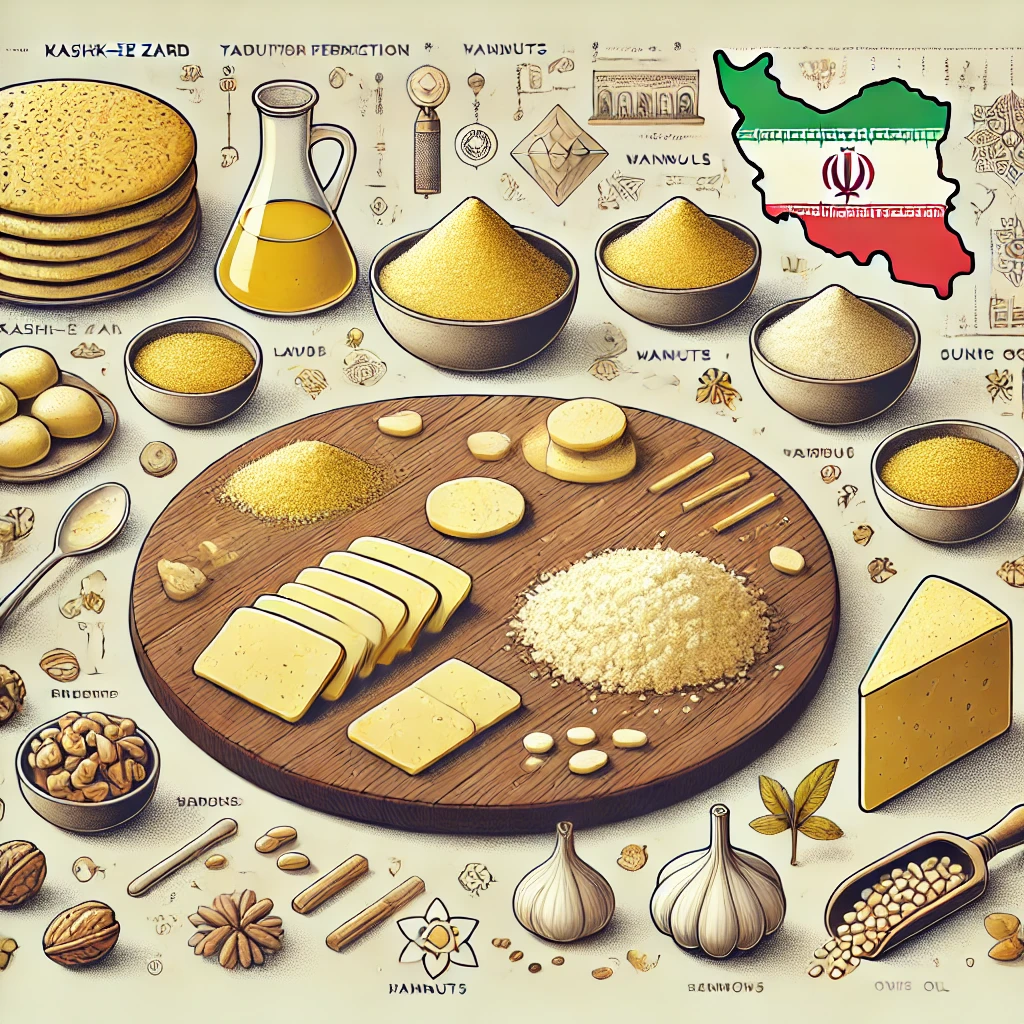
Kashk-e Zard is a traditional Iranian dried fermented dairy product, often described as a cheese-like food rather than a conventional cheese. It is made from kashk (strained and fermented whey or yogurt), combined with grains and spices, then dried into a shelf-stable form.
Key characteristics include:
-
Fermented dairy base
-
Grain-enriched texture
-
Yellowish color
-
Tangy, savory flavor
-
Extremely long shelf life
Unlike soft or aged cheeses, Kashk-e Zard was designed for storage, travel, and survival, especially in arid and mountainous regions.
Origins of Kashk-e Zard in Iran
Kashk-e Zard originates in rural and semi-nomadic regions of Iran, particularly in eastern and southeastern areas where climate conditions favor dried foods. These regions historically faced:
-
Limited refrigeration
-
Seasonal milk availability
-
Long travel distances
-
Harsh winters or dry summers
To preserve dairy nutrients, communities developed methods to ferment, concentrate, and dry milk products—Kashk-e Zard being one of the most successful results.
Why Kashk-e Zard Exists: Preservation and Resilience
Kashk-e Zard was never meant to be luxurious. It was meant to be reliable.
Practical Purposes
-
Preserve dairy for months or years
-
Reduce food waste
-
Provide protein during lean seasons
-
Create lightweight, transportable food
Its development reflects Iran’s long tradition of adapting food to geography and lifestyle.
How Kashk-e Zard Is Traditionally Made
Kashk-e Zard production is slow, layered, and deeply traditional.
Step 1: Making Kashk
The process begins with yogurt or whey:
-
Yogurt is fermented
-
Strained to remove liquid
-
Further fermented into kashk
This base provides acidity, flavor, and preservation power.
Step 2: Adding Grains and Flavorings
To the kashk, producers add:
-
Cracked wheat or barley
-
Turmeric (for color and flavor)
-
Salt
-
Sometimes local herbs
These ingredients increase calories and structure.
Step 3: Cooking and Mixing
The mixture is cooked gently into a thick paste. This step:
-
Integrates grains
-
Reduces moisture
-
Develops savory depth
Step 4: Shaping and Drying
The paste is spread or shaped into thin layers or small pieces and left to dry:
-
Traditionally under the sun
-
Sometimes in well-ventilated indoor spaces
Once fully dried, Kashk-e Zard becomes hard and shelf-stable.
Taste Profile: Tangy, Savory, and Deeply Rustic
Kashk-e Zard offers a bold but balanced flavor, shaped by fermentation and grain.
Flavor Notes
-
Tangy acidity from kashk
-
Savory umami depth
-
Mild bitterness from grains
-
Subtle earthiness from spices
It is more intense than fresh cheese but less sharp than some aged cheeses.
Texture and Appearance
-
Dry and brittle when fully dried
-
Powdery or crumbly when crushed
-
Yellow to golden color
-
Softens when rehydrated
Texture changes dramatically depending on how it is prepared.
Regional Variations of Kashk-e Zard
Because it is a household food, Kashk-e Zard varies widely.
Grain-Heavy Kashk-e Zard
-
More filling
-
Thicker texture
-
Common in farming regions
Dairy-Forward Kashk-e Zard
-
Stronger tang
-
Lighter grain presence
-
More cheese-like
Spiced Kashk-e Zard
-
Enhanced with herbs or garlic
-
More aromatic
-
Often festive or regional
Each variation reflects local taste and resource availability.
Kashk-e Zard in Iranian Cuisine
Kashk-e Zard is rarely eaten dry. Instead, it is rehydrated and cooked.
Traditional Uses
-
Crumbled into hot water or broth
-
Mixed with onions and oil
-
Served with flatbread
-
Used as a base for rustic stews
It functions more like a flavorful foundation than a standalone cheese.
How Kashk-e Zard Is Consumed Today
Traditional Preparation
-
Break or grind dried Kashk-e Zard
-
Add warm water
-
Simmer gently
-
Finish with fried onions or herbs
Modern Uses
-
Savory porridge-style dishes
-
Flavoring for soups
-
Vegetarian protein base
-
Emergency or travel food
Its versatility remains one of its greatest strengths.
Nutritional Value of Kashk-e Zard
Kashk-e Zard is extremely nutrient-dense.
Nutritional Highlights
-
High protein from dairy
-
Carbohydrates from grains
-
Calcium and minerals
-
Probiotics (before drying)
Its balanced nutrition explains why it was relied upon in times of scarcity.
Kashk-e Zard vs Cheese
| Feature | Kashk-e Zard | Traditional Cheese |
|---|---|---|
| Aging | Dried, not aged | Aged or fresh |
| Texture | Dry → rehydrated | Solid |
| Ingredients | Dairy + grains | Mostly dairy |
| Use | Cooked | Often eaten raw |
Kashk-e Zard is cheese-adjacent, but culturally distinct.
Cultural Significance of Kashk-e Zard
Kashk-e Zard represents:
-
Rural ingenuity
-
Women-led food preservation
-
Seasonal food planning
-
Intergenerational knowledge
In many families, recipes are closely guarded and proudly passed down.
Modern Challenges and Revival
Challenges
-
Urbanization
-
Declining home production
-
Industrial food replacement
Revival Trends
-
Interest in traditional Iranian foods
-
Culinary heritage documentation
-
Sustainable, shelf-stable diets
Kashk-e Zard is increasingly recognized as part of Iran’s intangible food heritage.
Storage and Shelf Life
Storage
-
Keep dry
-
Store in airtight containers
-
Protect from moisture
Shelf Life
-
Several months
-
Sometimes over a year if well dried
Few dairy-based foods last this long naturally.
Why Kashk-e Zard Matters Today
In a world focused on refrigeration and fast consumption, Kashk-e Zard reminds us that food preservation can be natural, sustainable, and nutritious. It reflects a philosophy where nothing is wasted and flavor comes from patience and fermentation.
For those exploring global cheese traditions, Kashk-e Zard offers a rare glimpse into a non-European, grain-enhanced, survival-focused dairy culture.
Frequently Asked Questions (FAQ)
What is Kashk-e Zard?
Kashk-e Zard is a traditional Iranian dried fermented dairy product made from kashk and grains.
Is Kashk-e Zard a cheese?
It is cheese-like but not a conventional cheese. It combines fermented dairy with grains and is usually cooked before eating.
What does Kashk-e Zard taste like?
It tastes tangy, savory, and slightly earthy, with deep fermented flavor.
How is Kashk-e Zard eaten?
It is typically rehydrated and cooked, often served with onions and flatbread.
Is Kashk-e Zard still made today?
Yes. It is still made in rural areas of Iran and is gaining renewed interest as a traditional food.