
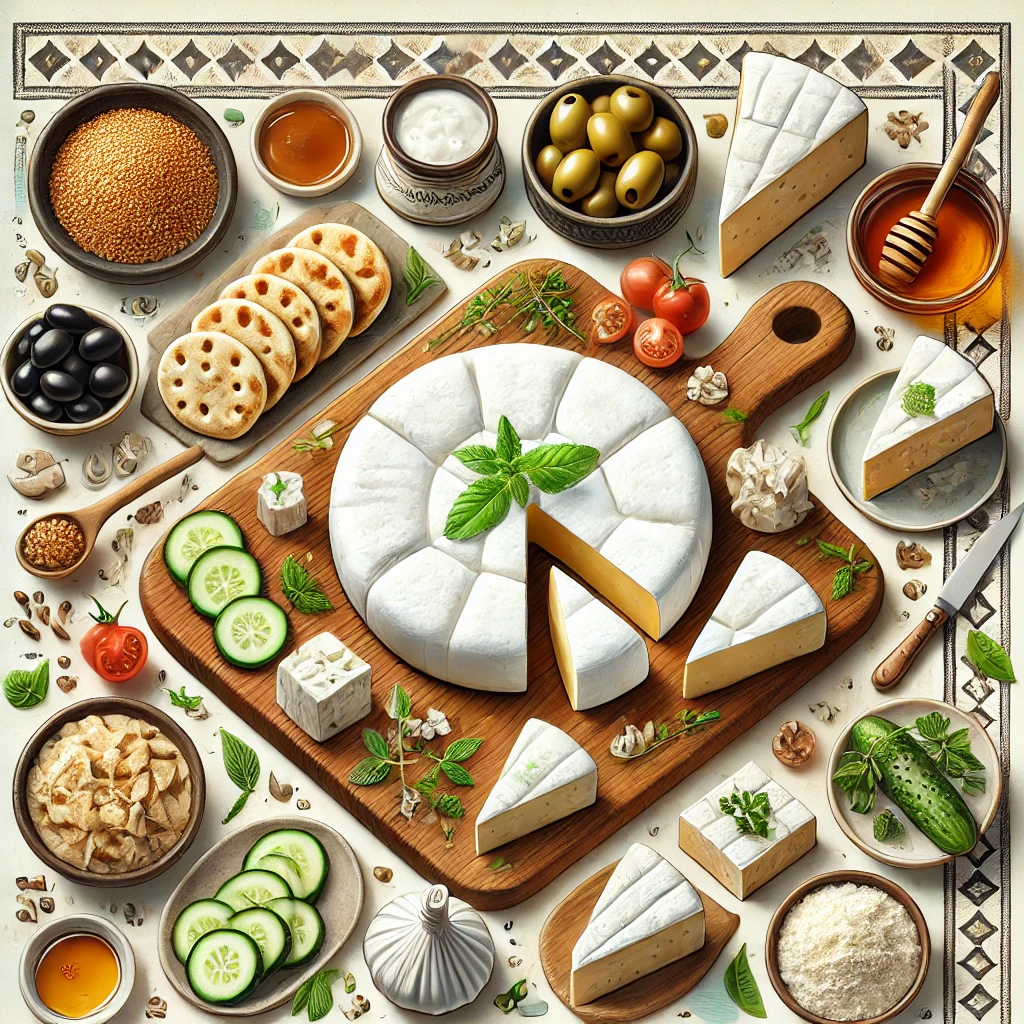
Cheese plays a subtle yet meaningful role in Gulf and Middle Eastern cuisine, where freshness, balance, and simplicity are highly valued. Among the most cherished varieties is Ackawi cheese, a white brined cheese known for its mild saltiness and soft texture. In Bahrain, Ackawi cheese has become a household favorite, enjoyed daily at breakfast tables, in pastries, and during festive meals.
Although Ackawi cheese has roots across the Levant, its adaptation in Bahrain reflects local tastes, climate, and culinary habits. This article explores the story of Ackawi cheese in Bahrain, covering its history, production, flavor profile, uses, and why it remains a salty delight loved by generations.
The Origins of Ackawi Cheese
Ackawi cheese takes its name from the city of Acre (Akko), historically located in present-day Israel/Palestine. Over centuries, the cheese spread across the Middle East, becoming especially popular in Gulf countries.
In Bahrain, Ackawi cheese found a natural home due to its suitability for hot climates. The brining process helped preserve the cheese before refrigeration, making it ideal for coastal and desert regions. Over time, Bahraini dairy producers refined the cheese to suit local preferences, often reducing salt levels through soaking before use.
Traditional Production of Ackawi Cheese
Milk Selection
Ackawi cheese is traditionally made from cow’s milk, though sheep’s or goat’s milk may be used in some regional variations. In Bahrain, cow’s milk is the most common base due to availability.
Curd Formation
Rennet is added to warm milk, causing it to coagulate. The curds are gently cut and stirred to release whey while maintaining a soft structure.
Pressing and Brining
The curds are pressed into rectangular or square molds, then submerged in a light salt brine. This step gives Ackawi its characteristic salty taste and helps extend shelf life.
Fresh Consumption
Unlike aged cheeses, Ackawi is usually eaten fresh or after a very short resting period. This preserves its milky aroma and elastic texture.
Taste and Texture Profile
Ackawi cheese is appreciated for its balance rather than intensity:
-
Flavor: Mild, slightly salty, clean dairy notes
-
Aroma: Fresh milk with subtle brine
-
Texture: Soft, smooth, and slightly springy
-
Finish: Gentle saltiness without sharpness
In Bahrain, Ackawi is often soaked in water before serving, which softens the saltiness and enhances its creamy qualities.
Ackawi Cheese in Bahraini Cuisine
Breakfast Staple
Ackawi cheese is commonly served with flatbreads, olives, tomatoes, and tea. Its mild taste makes it perfect for starting the day without overwhelming the palate.
Traditional Pastries
Ackawi is widely used in sweet and savory pastries. One of the most famous is Kunafa, where desalted Ackawi melts beautifully under layers of crisp pastry and syrup.
Cooking and Baking
In Bahraini kitchens, Ackawi cheese is added to pies, stuffed breads, and baked dishes. It melts gently, creating a creamy texture without becoming oily.
Cultural Importance in Bahrain
Food in Bahrain reflects hospitality, sharing, and family bonds. Ackawi cheese fits naturally into this culture due to its versatility and approachability. It is served to guests, included in communal meals, and enjoyed by all age groups.
As Bahrain modernizes, Ackawi cheese remains a link to regional traditions and shared Gulf heritage, bridging past and present culinary practices.
Ackawi Cheese vs Other Middle Eastern Cheeses
| Feature | Ackawi Cheese | Halloumi | Feta |
|---|---|---|---|
| Salt Level | Mild to moderate | Moderate | High |
| Texture | Soft & elastic | Firm & squeaky | Crumbly |
| Melting | Good | Limited | High |
| Common Use | Fresh & desserts | Grilling | Salads |
This versatility explains why Ackawi is favored in both sweet and savory Bahraini dishes.
Pairing Suggestions
Ackawi cheese pairs well with a wide range of foods:
-
Breads: Arabic flatbread, khubz, pita
-
Fruits: Watermelon, figs, dates
-
Condiments: Honey, olive oil, za’atar
-
Drinks: Black tea, mint tea, laban
These pairings balance saltiness with sweetness and freshness.
Nutritional Value
Ackawi cheese provides essential nutrients:
-
Protein for muscle and energy
-
Calcium for bone health
-
Fats for satiety and flavor
Because it can be salty, soaking before consumption is recommended for those monitoring sodium intake.
Availability and Modern Production
Ackawi cheese is widely available in Bahrain through supermarkets, local dairies, and Middle Eastern specialty stores. Modern production ensures hygiene and consistency while preserving the traditional taste.
Some artisanal producers now focus on lower-salt versions to meet contemporary health preferences without sacrificing authenticity.
Why Ackawi Cheese Remains Popular in Bahrain
Ackawi cheese endures because it fits seamlessly into everyday life. It is affordable, adaptable, and culturally familiar. Whether melted into desserts or eaten fresh with bread, it offers comfort and tradition in every bite.
In a world of increasingly complex flavors, Ackawi cheese stands out for its simplicity and reliability.
Conclusion
Ackawi cheese from Bahrain is truly a salty delight. Rooted in Middle Eastern tradition and embraced by Bahraini cuisine, it represents balance, versatility, and cultural continuity. Mild yet flavorful, soft yet structured, Ackawi cheese continues to earn its place on Bahraini tables and beyond.
For anyone exploring Middle Eastern cheeses, Ackawi from Bahrain offers an authentic and satisfying introduction.
FAQ: Ackawi Cheese from Bahrain
What is Ackawi cheese?
Ackawi cheese is a white brined Middle Eastern cheese known for its mild saltiness and soft, elastic texture.
Is Ackawi cheese very salty?
It is mildly salty, but in Bahrain it is often soaked in water to reduce salt before eating.
What dishes use Ackawi cheese in Bahrain?
It is commonly used in breakfasts, pastries, baked dishes, and desserts like kunafa.
Does Ackawi cheese melt well?
Yes, Ackawi melts smoothly, making it suitable for both sweet and savory recipes.
What milk is used to make Ackawi cheese?
Ackawi cheese is usually made from cow’s milk, though other milk types may be used regionally.


