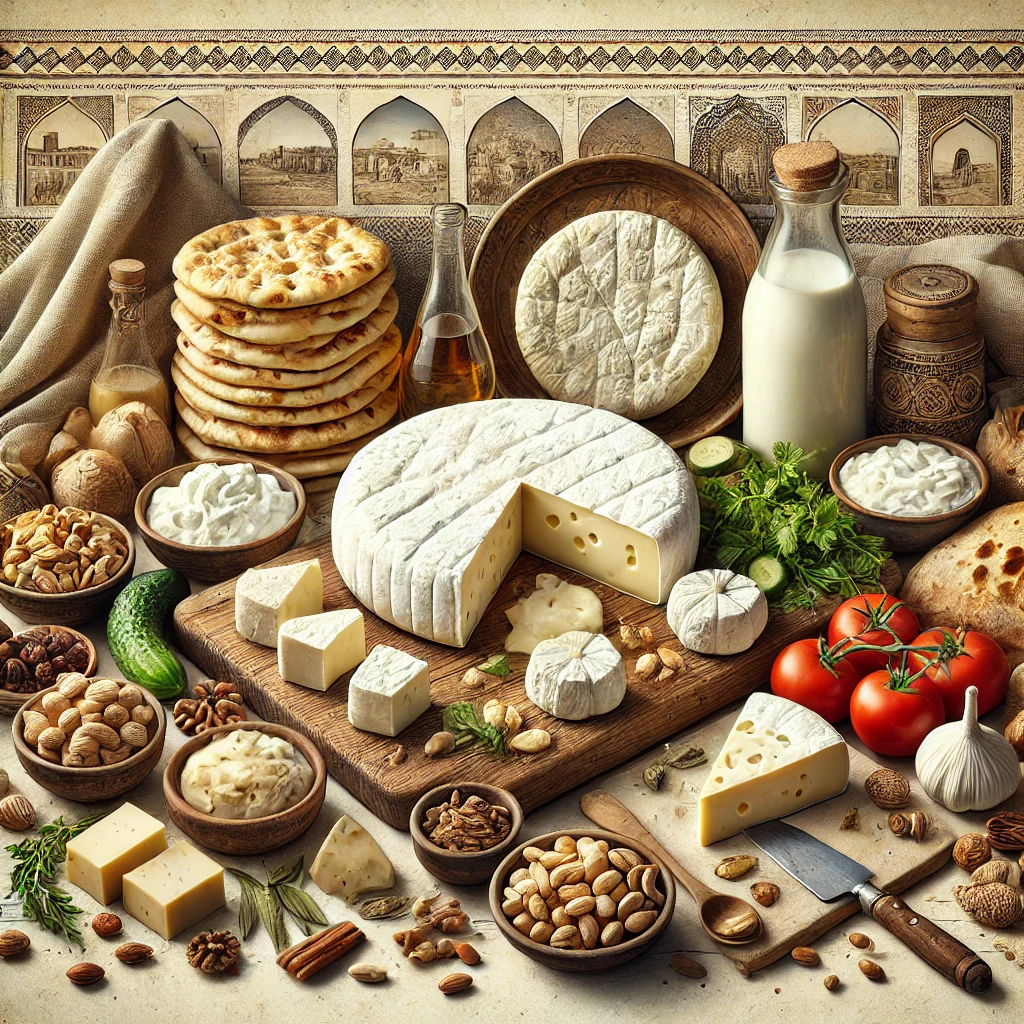
When people think of Afghan cuisine, dishes like kabuli pulao, mantu, and naan often come to mind. Yet beyond these well-known foods lies a quieter culinary tradition shaped by pastoral life and centuries of dairy craftsmanship. One such hidden gem is Ghol cheese, a traditional cheese that reflects Afghanistan’s rural heritage, resilience, and reliance on natural ingredients.
Made primarily in mountainous and countryside regions of Afghanistan, Ghol cheese is not an industrial product. It is a handmade, deeply local dairy food, valued for its simplicity, nourishment, and connection to daily life. This article explores Ghol cheese in depth—its origins, production, taste, uses, and why it remains a unique dairy delicacy worth discovering.
Origins of Ghol Cheese in Afghanistan
Ghol cheese originates from Afghanistan’s pastoral communities, where livestock farming has long been essential for survival. In remote villages, milk from cows, sheep, or goats had to be preserved efficiently, especially in regions with harsh winters or limited access to markets.
Cheesemaking became a natural solution. Ghol cheese emerged as a practical and nutritious food that could be made at home using minimal tools. While recipes vary slightly by region, the core principles—fresh milk, natural curdling, and simple drying—remain consistent.
This cheese is especially associated with rural households, where women traditionally oversee dairy processing and pass their knowledge from one generation to the next.
Traditional Production Methods
Milk Sources
Ghol cheese is typically made using cow’s milk, though sheep’s or goat’s milk may also be used depending on local availability. Mixed milk versions are common in mountainous areas.
Natural Curdling
Instead of commercial cultures, traditional methods rely on natural rennet or souring agents. Warm milk is left to curdle slowly, preserving its natural flavor.
Curd Handling and Draining
Once curds form, they are gently broken and strained through cloth to remove excess whey. This step determines the cheese’s final texture.
Shaping and Drying
The curds are shaped by hand or pressed lightly, then left to dry in cool, airy environments. Drying improves shelf life and concentrates flavor.
Minimal Processing
No artificial additives are used. Ghol cheese is valued precisely because of its purity and natural character.
Taste and Texture Profile
Ghol cheese offers a rustic and honest sensory experience:
-
Flavor: Mild to moderately tangy, slightly salty
-
Aroma: Fresh dairy with earthy undertones
-
Texture: Firm to semi-hard, sometimes crumbly
-
Finish: Clean, natural, and lingering
The flavor intensity can vary depending on milk type and drying time, making each batch unique.
How Ghol Cheese Is Used in Afghan Cuisine
Daily Nourishment
Ghol cheese is often eaten as a simple meal component, paired with flatbread and tea. It provides essential protein and energy for physically demanding rural lifestyles.
With Bread and Yogurt
In many households, Ghol cheese is crumbled into yogurt or eaten alongside naan, creating a balanced and filling meal.
Cooking and Warm Dishes
Though often eaten plain, Ghol cheese may be added to rice dishes or melted slightly into warm foods, enhancing richness without overpowering other flavors.
Seasonal and Travel Food
Because dried Ghol cheese stores well, it is sometimes carried during travel or seasonal migration, making it an important survival food.
Cultural Importance of Ghol Cheese
Ghol cheese represents more than nutrition—it reflects Afghan values of self-reliance, hospitality, and respect for nature. In villages, offering homemade dairy products to guests is a sign of generosity and honor.
Cheesemaking is also a symbol of continuity. Even as modern food products enter Afghan markets, Ghol cheese remains closely tied to traditional life and local identity.
Ghol Cheese vs Other Regional Cheeses
| Feature | Ghol Cheese | Kashk (Dried Yogurt) | Feta |
|---|---|---|---|
| Origin | Afghanistan | Central Asia | Mediterranean |
| Texture | Firm / semi-hard | Hard & brittle | Crumbly |
| Aging | Light drying | Fully dried | Brined |
| Flavor | Mild & tangy | Sharp & sour | Salty |
Ghol cheese stands out for its balance between freshness and preservation.
Pairing Suggestions
Ghol cheese pairs best with simple, traditional foods:
-
Breads: Afghan naan, flatbread
-
Sides: Fresh herbs, cucumbers, onions
-
Condiments: Yogurt, light chili paste
-
Drinks: Green tea, black tea, salted yogurt drinks
These combinations highlight the cheese’s rustic charm.
Nutritional Benefits
Ghol cheese provides essential nutrients vital for rural diets:
-
High-quality protein
-
Calcium for bone health
-
Natural fats for energy
Because it is minimally processed, it retains much of the nutritional value of fresh milk.
Availability and Modern Challenges
Ghol cheese is rarely exported and is mostly consumed locally within Afghanistan. Political instability, limited infrastructure, and lack of commercial production have kept it from global markets.
However, interest in traditional and artisanal foods is growing. With proper support, Ghol cheese has potential to be recognized internationally as a unique Central Asian dairy product.
Why Ghol Cheese Matters Today
In a world of mass-produced foods, Ghol cheese reminds us of the importance of local knowledge and sustainable practices. It tells a story of adaptation—how communities used simple resources to create nourishing food in challenging environments.
For culinary explorers, Ghol cheese offers a rare opportunity to taste Afghanistan’s lesser-known food heritage.
Conclusion
Ghol cheese from Afghanistan is a true dairy delicacy shaped by land, tradition, and necessity. Simple yet meaningful, it reflects centuries of pastoral life and culinary wisdom. Whether eaten with bread, shared with guests, or carried on long journeys, Ghol cheese remains an essential part of Afghan rural culture.
As global appreciation for traditional foods grows, Ghol cheese deserves recognition as one of Afghanistan’s authentic culinary treasures.
FAQ: Ghol Cheese from Afghanistan
What is Ghol cheese?
Ghol cheese is a traditional Afghan cheese made from cow’s, sheep’s, or goat’s milk using simple, natural methods.
Is Ghol cheese aged?
It is lightly dried rather than aged, which helps preserve it while keeping a mild flavor.
What does Ghol cheese taste like?
It has a mild, slightly tangy, and gently salty flavor with a firm texture.
How is Ghol cheese traditionally eaten?
It is commonly eaten with flatbread, yogurt, or tea, and sometimes added to warm dishes.
Is Ghol cheese available outside Afghanistan?
It is mostly consumed locally and is rarely found outside the country.