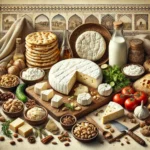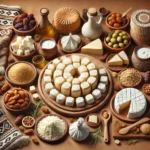
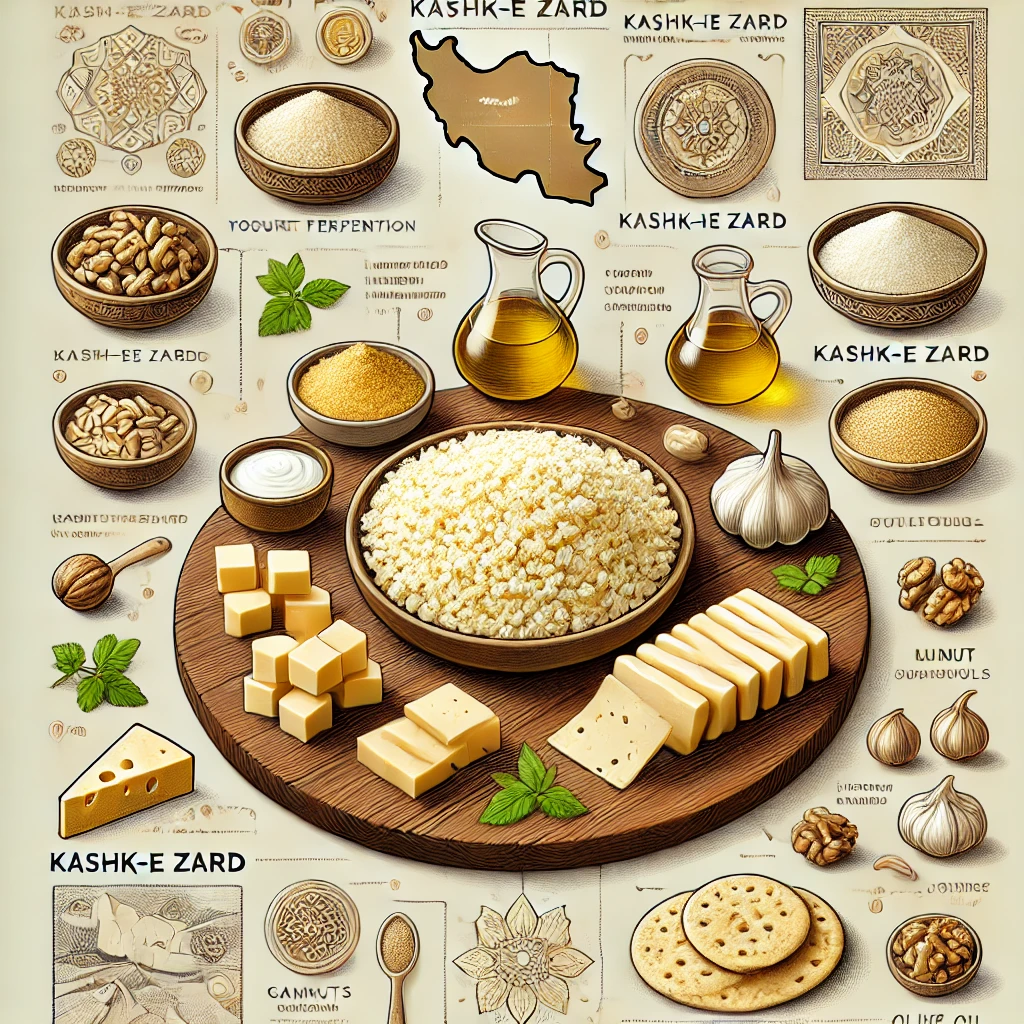
Iranian cuisine is built on centuries of culinary wisdom, shaped by geography, climate, and pastoral life. While kebabs, rice dishes, and stews often dominate international attention, Iran’s dairy traditions are equally rich and deeply rooted. Among the most distinctive of these is Kashk-e Zard, a traditional Iranian cheese-like dairy product that holds both nutritional and cultural importance.
Found primarily in rural and mountainous regions of Iran, Kashk-e Zard is not a modern cheese in the Western sense. Instead, it represents an ancient method of preserving dairy through fermentation and drying. This guide explores Kashk-e Zard in detail—its origins, preparation, taste, uses, and why it remains an essential part of Iranian food culture.
What Is Kashk-e Zard?
Kashk-e Zard is a fermented dairy product made from yogurt or buttermilk, often combined with grains such as wheat or barley. Though sometimes referred to as a “cheese,” it sits somewhere between dried yogurt, cheese, and fermented paste.
The name “zard” means “yellow” in Persian, referring to its warm golden color, which develops naturally during preparation. Kashk-e Zard is valued for its long shelf life, intense nutrition, and versatility in cooking.
Origins of Kashk-e Zard in Iran
Kashk-e Zard originated in Iran’s rural communities, where dairy preservation was a necessity rather than a culinary trend. In regions with limited refrigeration and harsh seasonal changes, milk had to be transformed into durable foods.
Shepherds and farming families developed Kashk-e Zard as a way to store dairy for months without spoilage. Over time, it became a staple food, especially during winter or long journeys. The recipe was passed orally through generations, with each region adding subtle variations.
Traditional Production Methods
Dairy Base
Kashk-e Zard begins with yogurt, buttermilk, or churned whey, usually derived from cow’s or sheep’s milk. The dairy is naturally fermented, developing acidity and depth.
Grain Addition
Cooked and ground grains—often wheat or barley—are mixed into the dairy base. This step adds body, nutrition, and thickness, making Kashk-e Zard more filling.
Fermentation
The mixture is left to ferment for several days. During this time, natural bacteria enhance flavor and improve digestibility.
Drying Process
Once fermented, the mixture is shaped or spread out and dried under the sun or in well-ventilated spaces. This drying stage gives Kashk-e Zard its firm texture and long shelf life.
Grinding or Storing
Dried Kashk-e Zard can be stored as chunks or ground into powder, ready to be rehydrated when needed.
Taste and Texture Profile
Kashk-e Zard has a bold yet comforting character:
-
Flavor: Tangy, savory, slightly sour
-
Aroma: Fermented dairy with earthy grain notes
-
Texture: Dry and firm when stored, creamy when rehydrated
-
Finish: Deep, warming, and satisfying
Its taste is stronger than fresh cheese, making it ideal for soups and hearty dishes.
Kashk-e Zard in Iranian Cuisine
Traditional Soups
Kashk-e Zard is most commonly used in thick soups and stews. When dissolved in water and simmered, it creates a rich, tangy base that defines many rural Iranian dishes.
Everyday Meals
In villages, Kashk-e Zard may be eaten simply with bread, onions, and herbs. This humble meal is both nourishing and economical.
Winter and Survival Food
Thanks to its durability, Kashk-e Zard has long been relied upon during cold seasons or times of scarcity. Its high energy content makes it ideal for physically demanding lifestyles.
Cultural Significance
Kashk-e Zard is more than food—it is a symbol of resilience and self-sufficiency. It reflects how Iranian communities adapted to their environment using ingenuity and shared knowledge.
Preparing Kashk-e Zard is often a communal activity, strengthening family and village bonds. Even today, it represents a connection to ancestral practices and rural identity.
Kashk-e Zard vs Other Iranian Dairy Products
| Feature | Kashk-e Zard | Liquid Kashk | Cheese |
|---|---|---|---|
| Texture | Dry / rehydrated | Liquid | Solid |
| Shelf Life | Very long | Short | Moderate |
| Flavor | Strong & tangy | Mild-tangy | Mild to sharp |
| Use | Soups & meals | Garnish | Table food |
Kashk-e Zard stands out for its durability and intensity.
Pairing Suggestions
Kashk-e Zard works best with simple, earthy foods:
-
Bread: Flatbread, sangak
-
Vegetables: Onions, spinach, squash
-
Herbs: Dried mint, garlic
-
Drinks: Black tea, yogurt-based drinks
These pairings balance its tangy richness.
Nutritional Benefits
Kashk-e Zard is highly nutritious:
-
Protein for strength and muscle repair
-
Calcium for bones and teeth
-
Probiotics from fermentation
-
Complex carbohydrates from grains
Its concentrated nutrients made it essential for traditional Iranian diets.
Availability Today
Kashk-e Zard is still produced in rural Iran and can sometimes be found in local markets. While industrial versions of liquid kashk are more common today, traditional Kashk-e Zard remains a treasured homemade product.
Interest in fermented and traditional foods is helping revive awareness of this ancient dairy preparation.
Why Kashk-e Zard Still Matters
In an age of fast food and short shelf lives, Kashk-e Zard offers a lesson in sustainability and nourishment. It shows how simple ingredients—milk, grain, time—can create food that lasts, sustains, and connects people to their heritage.
For culinary explorers, Kashk-e Zard provides a rare glimpse into Iran’s oldest dairy traditions.
Conclusion
Kashk-e Zard is a cornerstone of Iranian food history. Tangy, nourishing, and deeply traditional, it reflects centuries of pastoral life and culinary innovation. Whether dissolved into a warming soup or enjoyed with bread, Kashk-e Zard remains a powerful symbol of Iran’s relationship with food, land, and community.
As global interest in fermented foods grows, Kashk-e Zard deserves recognition as one of Iran’s most unique dairy treasures.
FAQ: Kashk-e Zard – An Iranian Cheese Guide
What is Kashk-e Zard?
Kashk-e Zard is a traditional Iranian fermented dairy product made from yogurt or buttermilk and grains, then dried for long storage.
Is Kashk-e Zard a cheese?
It is often called a cheese, but it is closer to dried fermented yogurt with grain content.
How is Kashk-e Zard used?
It is commonly rehydrated and used in soups, stews, or eaten with bread.
What does Kashk-e Zard taste like?
It has a tangy, savory, slightly sour flavor with earthy notes.
Is Kashk-e Zard still made today?
Yes, especially in rural areas of Iran, though it is less common than liquid kashk.