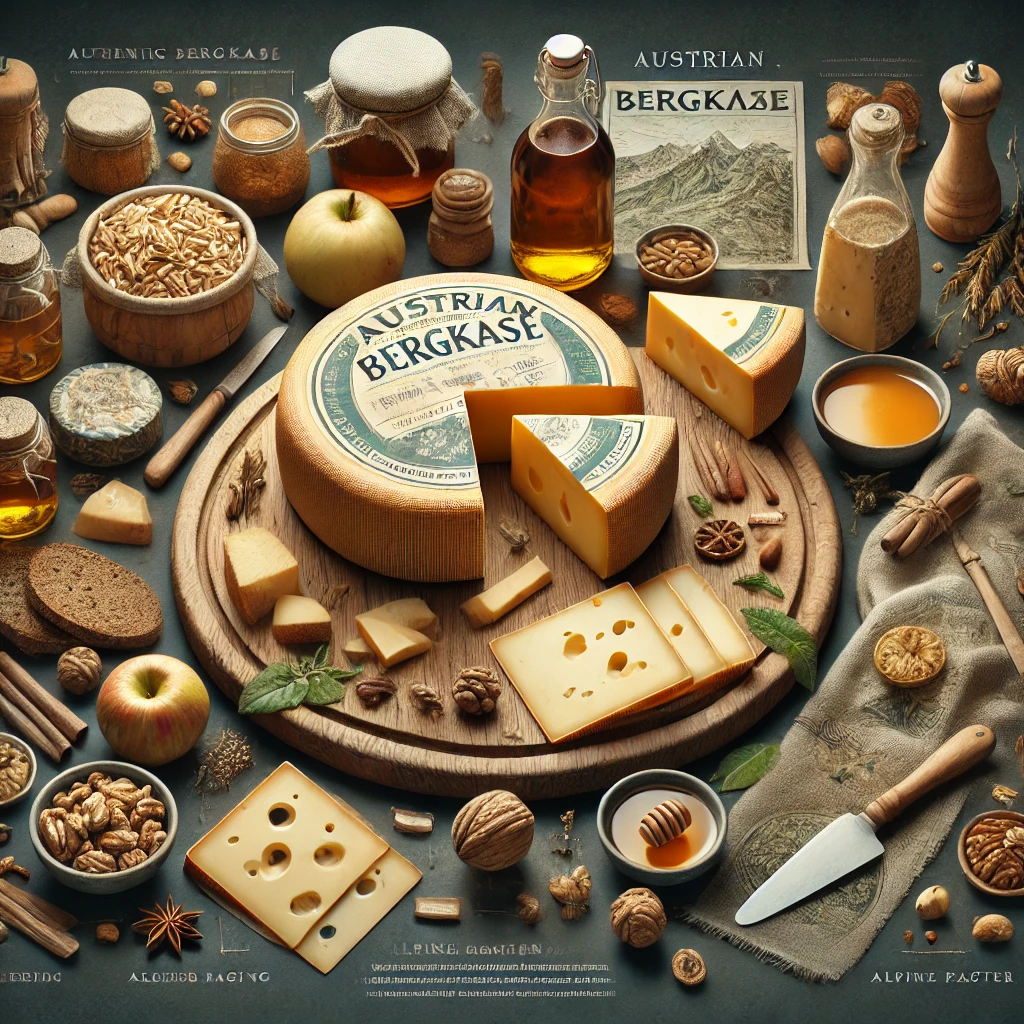
High in the Alps, where fresh air, rich mountain pastures, and centuries-old traditions meet, one of Europe’s most respected cheeses is born: Austrian Bergkäse. Known for its robust flavor, firm texture, and long aging potential, Bergkäse represents the very soul of Alpine cheesemaking.
In Austria, cheese is more than food—it is heritage, livelihood, and pride. Bergkäse, meaning “mountain cheese,” reflects the rugged environment and skilled craftsmanship of Alpine dairy farmers. This guide explores Austrian Bergkäse in depth, covering its origins, production methods, taste, varieties, pairings, and why it continues to gain international recognition.
What Is Austrian Bergkäse?
Austrian Bergkäse is a hard, aged cheese traditionally made from raw or thermized cow’s milk sourced from Alpine regions. It is produced at higher altitudes, typically above 800 meters, where cows graze on diverse mountain herbs and grasses.
Unlike fresh cheeses, Bergkäse is aged for several months to over a year, developing a complex, savory flavor and dense texture. It is often compared to other Alpine cheeses such as Gruyère or Comté, yet it maintains a distinct Austrian character.
Origins and Alpine Tradition
Bergkäse has been produced in Austria for centuries, particularly in western Alpine regions such as Vorarlberg and Tyrol. Historically, cheesemaking was a necessity for mountain farmers who needed to preserve milk during summer grazing seasons known as Almzeit.
During these months, cows were moved to high pastures, and milk was transformed into large wheels of cheese that could be stored and consumed throughout winter. Over generations, this seasonal practice evolved into a refined craft, passed down through families and alpine dairies.
Traditional Production Methods
Alpine Milk Quality
The foundation of Bergkäse lies in exceptional milk quality. Cows feed on natural Alpine pastures rich in wildflowers, herbs, and grasses. This diverse diet directly influences the cheese’s aroma and flavor.
Raw or Gently Heated Milk
Traditional Bergkäse is often made using raw milk, preserving natural bacteria and depth of flavor. Some modern producers use thermized milk for safety while maintaining character.
Curd Cooking and Pressing
After adding rennet, the curd is cut finely and gently heated. This step removes moisture and contributes to the cheese’s firm structure. The curds are then pressed into large wheels.
Brining and Aging
The wheels are soaked in salt brine and aged in cool, humid cellars. Aging can last from 4 months to over 12 months, with regular turning and washing of the rind.
Taste and Texture Profile
Austrian Bergkäse is known for its bold yet balanced character:
-
Flavor: Nutty, savory, slightly sweet with age
-
Aroma: Herbal, buttery, earthy
-
Texture: Firm, dense, smooth with small openings
-
Finish: Long-lasting, clean, and warming
Younger Bergkäse is milder and creamier, while older versions develop sharper, more complex notes.
Varieties of Austrian Bergkäse
Young Bergkäse (4–6 months)
-
Mild, creamy, and approachable
-
Ideal for slicing and sandwiches
Aged Bergkäse (8–12+ months)
-
Stronger, nuttier, and more intense
-
Excellent for grating and cheese boards
Some producers also offer reserve or extra-aged versions prized by cheese enthusiasts.
Bergkäse in Austrian Cuisine
Everyday Use
Bergkäse is commonly sliced and eaten with rustic bread, butter, and pickles. It is a staple in Alpine households.
Cooking and Baking
Thanks to its excellent melting properties, Bergkäse is widely used in dishes like cheese spaetzle (Käsespätzle), gratins, and casseroles.
Festive and Regional Dishes
During festivals and family gatherings, Bergkäse is often featured on cheese platters alongside cured meats and local wines.
Pairing Suggestions for Bergkäse
Bread and Grains
-
Dark rye bread
-
Sourdough
-
Alpine flatbreads
Fruits and Condiments
-
Apples and pears
-
Onion chutney
-
Mustard or honey
Drinks
-
Austrian white wines
-
Light red wines
-
Craft beers or Alpine lagers
These pairings balance the cheese’s richness and enhance its nutty depth.
Nutritional Value
Bergkäse is both flavorful and nourishing:
-
High-quality protein
-
Calcium and phosphorus for bone health
-
Natural fats providing sustained energy
Due to its richness, smaller portions are deeply satisfying.
Cultural and Economic Importance
Bergkäse plays a vital role in preserving Austria’s Alpine farming traditions. Its production supports small dairies, protects mountain pastures, and encourages sustainable agriculture.
Many Bergkäse producers follow strict regional guidelines to maintain authenticity and quality, helping protect the cheese’s reputation both locally and internationally.
Austrian Bergkäse on the Global Stage
In recent years, Austrian Bergkäse has gained recognition beyond Europe. Exported to specialty cheese markets worldwide, it appeals to consumers seeking authentic, traditionally crafted cheeses.
Its versatility, long aging potential, and bold flavor make it a favorite among chefs and cheese professionals.
Bergkäse vs Other Alpine Cheeses
| Feature | Austrian Bergkäse | Gruyère | Comté |
|---|---|---|---|
| Origin | Austria | Switzerland | France |
| Milk | Cow | Cow | Cow |
| Texture | Firm & dense | Firm | Smooth |
| Flavor | Nutty & savory | Sweet-nutty | Fruity-nutty |
Bergkäse stands out for its herbal Alpine notes and robust structure.
Why Austrian Bergkäse Still Matters
In a world of mass-produced foods, Bergkäse represents patience, craftsmanship, and respect for nature. Every wheel reflects mountain life, seasonal rhythms, and generations of skill.
For cheese lovers, Bergkäse offers more than taste—it offers a connection to the Alps and Austria’s rural heritage.
Conclusion
Austrian Bergkäse is one of the finest expressions of Alpine cheesemaking. Firm, flavorful, and deeply traditional, it captures the essence of Austria’s mountain landscapes and dairy culture.
Whether enjoyed young and mild or aged and intense, Bergkäse remains a cornerstone of Austrian cuisine and a rising star on the international cheese scene.
FAQ: Austrian Bergkäse – Alpine Cheese Guide
What is Austrian Bergkäse?
Bergkäse is a traditional Austrian Alpine cheese made from cow’s milk and aged for several months to over a year.
How does Bergkäse taste?
It has a nutty, savory flavor that becomes stronger and more complex with age.
Is Bergkäse similar to Gruyère?
Yes, it is similar in texture and use but has a more herbal Alpine character.
How is Bergkäse traditionally eaten?
It is eaten with bread, used in Alpine dishes, or served on cheese boards.
Is Austrian Bergkäse available internationally?
Yes, it is increasingly available in specialty cheese shops around the world.