Cheese plays a meaningful role in Central European food culture, and in Hungary, sheep milk cheeses hold a particularly special place. Among them, Juhtúró stands out as a rustic, flavorful, and deeply traditional cheese that reflects Hungary’s pastoral heritage.
Juhtúró is not an industrial or globally standardized product. Instead, it is a regional sheep cheese shaped by local grazing lands, seasonal milk, and generations of farmhouse knowledge. Appreciated for its tangy character and creamy-to-crumbly texture, Juhtúró remains an essential ingredient in Hungarian home cooking and rural cuisine. This guide explores Juhtúró in depth—its origins, varieties, taste, culinary uses, and why it continues to matter today.
What Is Juhtúró Cheese?
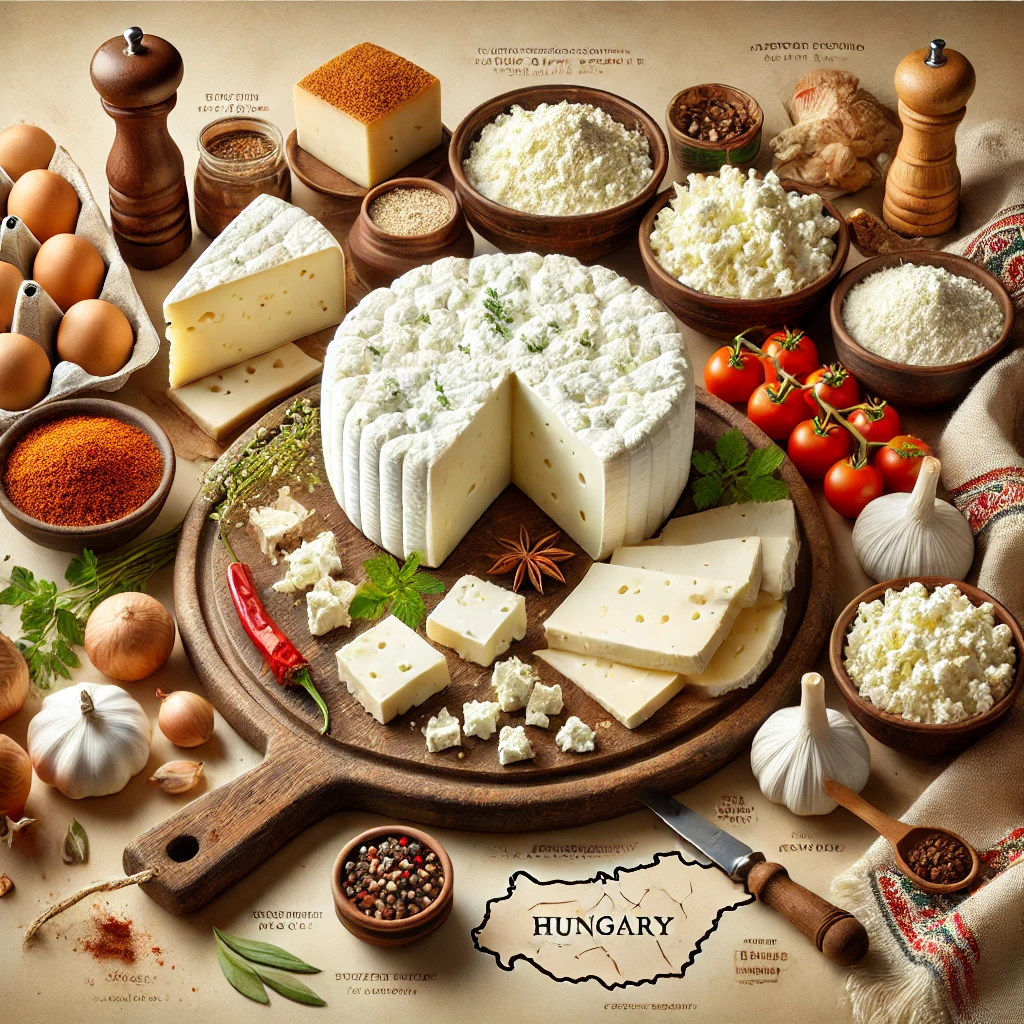
Juhtúró is a traditional Hungarian cheese made primarily from sheep’s milk. The name itself comes from the Hungarian word “juh”, meaning sheep, highlighting the cheese’s defining ingredient. It is typically a fresh or lightly matured cheese, known for its white color, tangy aroma, and rich dairy flavor.
Depending on region and preparation, Juhtúró can range from soft and spreadable to firmer and crumbly. It is often compared to other Central and Eastern European sheep cheeses, yet it maintains a distinctly Hungarian identity.
Origins of Juhtúró in Hungary
Juhtúró originates from Hungary’s rural and mountainous regions, where sheep herding has long been part of agricultural life. For centuries, shepherds relied on sheep not only for wool and meat but also for milk, which was transformed into nourishing dairy products.
Cheesemaking offered a way to preserve surplus milk during peak grazing seasons. Juhtúró emerged as a practical, everyday cheese—easy to make, nutritious, and adaptable to different meals. The knowledge of making Juhtúró was traditionally passed down orally, with each region developing subtle variations in texture and flavor.
Traditional Production Methods
Sheep’s Milk as the Foundation
Authentic Juhtúró is made from fresh sheep’s milk, prized for its high fat and protein content. This gives the cheese its characteristic richness and creamy mouthfeel.
Natural Curdling
The milk is gently warmed and curdled using rennet or natural souring methods. The curds are cut and drained, releasing whey while retaining moisture.
Draining and Light Pressing
Curds are placed in cloth or simple molds and allowed to drain naturally. Some versions are lightly pressed, while others remain soft and moist.
Fresh or Short Resting Period
Most Juhtúró is eaten fresh or after a short resting period. This preserves its tangy flavor and milky aroma.
Varieties of Juhtúró Cheese
Juhtúró does not exist as a single standardized style. Instead, it appears in several traditional forms.
Fresh Juhtúró
-
Texture: Soft, creamy, spreadable
-
Flavor: Mild, tangy, fresh sheep milk notes
-
Use: Spreads, fillings, breakfast dishes
Lightly Drained Juhtúró
-
Texture: Semi-firm, crumbly
-
Flavor: More pronounced tang and saltiness
-
Use: Cooking, stuffing, savory pastries
Seasoned Juhtúró
-
Texture: Varies
-
Flavor: Enhanced with salt, herbs, or paprika
-
Use: Table cheese or cooking ingredient
These variations reflect regional preferences and household traditions.
Taste and Texture Profile
Juhtúró is known for its expressive yet comforting character:
-
Flavor: Tangy, creamy, slightly salty
-
Aroma: Fresh dairy with earthy sheep notes
-
Texture: Soft to crumbly, moist
-
Finish: Clean, lingering, gently savory
The natural richness of sheep’s milk gives Juhtúró a fuller taste than most cow’s milk cheeses.
Juhtúró in Hungarian Cuisine
Traditional Dishes
Juhtúró is famously used in Túrós csusza, where it is mixed with pasta, sour cream, and crispy bacon. Its tangy creaminess balances the richness of the dish.
Spreads and Fillings
Fresh Juhtúró is often mashed with salt, paprika, or herbs and spread on bread. It is also used as a filling for savory pastries and dumplings.
Everyday Meals
In rural households, Juhtúró is eaten simply with bread, onions, and vegetables, making it a staple source of protein and energy.
Pairing Suggestions for Juhtúró
Breads and Grains
-
Rustic rye bread
-
Sourdough
-
Flatbreads
Vegetables and Sides
-
Tomatoes and peppers
-
Onions and radishes
-
Boiled potatoes
Condiments and Flavorings
-
Paprika
-
Caraway seeds
-
Fresh herbs
Drinks
-
Light white wines
-
Sour milk drinks
-
Herbal teas
These pairings complement Juhtúró’s tangy richness.
Nutritional Value
Juhtúró offers valuable nutrients:
-
High-quality protein
-
Calcium and phosphorus for bone health
-
Healthy fats from sheep’s milk
Its richness means small portions are satisfying and nourishing.
Cultural Significance in Hungary
Juhtúró represents Hungary’s shepherd culture and rural resilience. It is closely linked to traditional farming, seasonal rhythms, and family recipes. Even today, it symbolizes a connection to the countryside and slower, more sustainable food practices.
In recent years, interest in traditional Hungarian foods has revived appreciation for cheeses like Juhtúró, especially among younger generations and artisanal producers.
Juhtúró vs Other Sheep Cheeses
| Feature | Juhtúró | Bryndza | Feta |
|---|---|---|---|
| Origin | Hungary | Slovakia | Greece |
| Texture | Soft to crumbly | Soft | Crumbly |
| Flavor | Tangy & creamy | Sharp & tangy | Salty |
| Aging | Fresh | Fresh | Brined |
Juhtúró stands out for its balance and gentle creaminess.
Availability Today
Juhtúró is most commonly found in Hungary at farmers’ markets, local dairies, and traditional food shops. Outside Hungary, it may appear in Central European specialty stores, though it remains relatively rare internationally.
Why Juhtúró Still Matters
In a world of mass-produced dairy, Juhtúró reminds us of the value of tradition, locality, and craftsmanship. Its flavor tells a story of sheep grazing on open land, of family kitchens, and of dishes shared across generations.
For cheese lovers seeking authenticity, Juhtúró offers a genuine taste of Hungarian heritage.
Conclusion
Juhtúró is one of Hungary’s most distinctive sheep cheeses. Tangy, creamy, and deeply traditional, it reflects centuries of pastoral life and culinary creativity. Whether enjoyed fresh on bread, stirred into classic dishes, or seasoned with paprika, Juhtúró continues to play a vital role in Hungarian cuisine.
As interest in regional European cheeses grows, Juhtúró deserves recognition as a unique and flavorful expression of Hungary’s dairy tradition.
FAQ: Juhtúró – Hungarian Sheep Cheese Varieties and Taste
What is Juhtúró cheese?
Juhtúró is a traditional Hungarian cheese made primarily from sheep’s milk, known for its tangy and creamy flavor.
Is Juhtúró similar to feta?
It is less salty and creamier than feta, with a more delicate sheep milk taste.
How is Juhtúró commonly used in Hungary?
It is used in traditional dishes like túrós csusza, spreads, pastries, and everyday meals.
Is Juhtúró aged?
Most Juhtúró is eaten fresh or lightly rested rather than aged.
Where can I find Juhtúró cheese?
It is widely available in Hungary and occasionally found in Central European specialty shops abroad.