
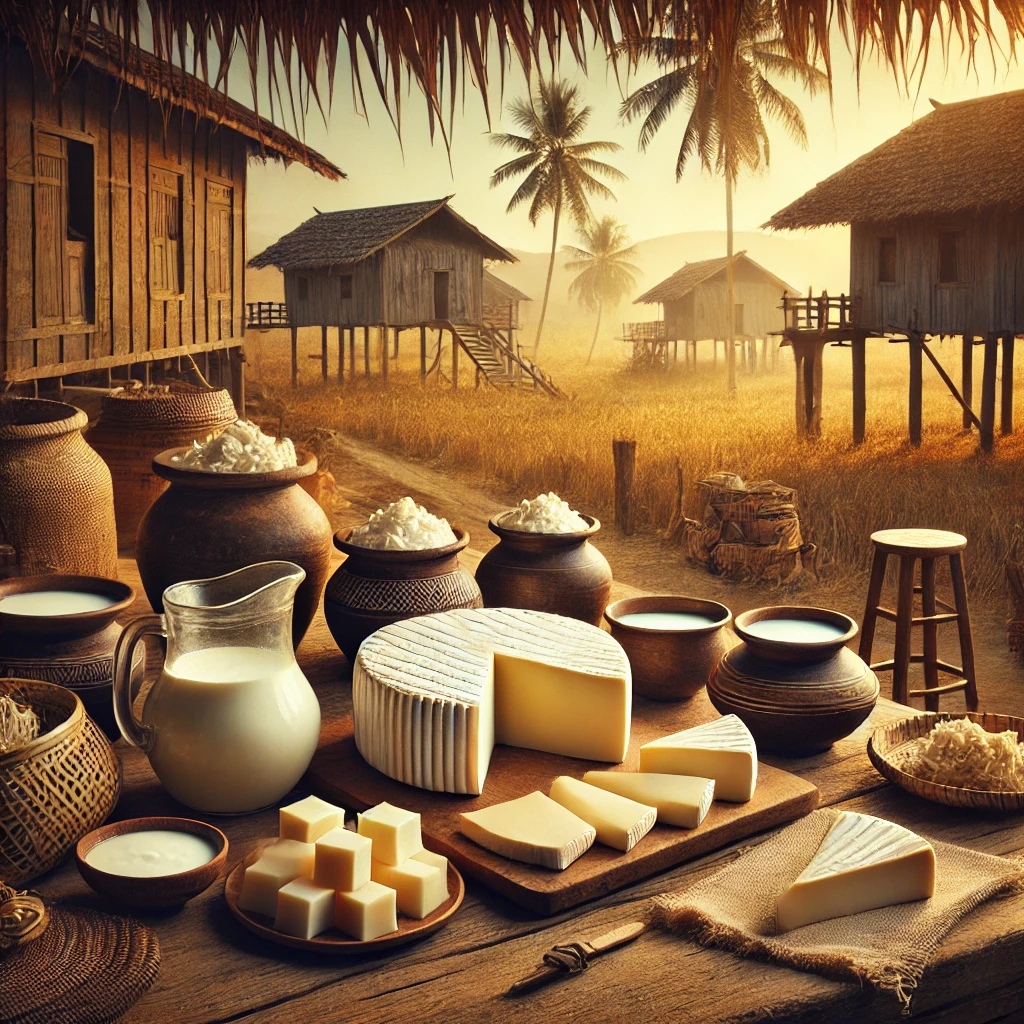
When people think of Myanmar’s cuisine, fermented tea leaves, rice noodles, curries, and aromatic herbs usually come to mind. Yet beyond these iconic dishes lies a quieter food tradition shaped by rural life and practical dairy use. One of the most intriguing examples is Shwe Taung cheese, a traditional cheese from Myanmar that reflects simplicity, craftsmanship, and regional identity.
Shwe Taung cheese is not widely known outside local communities, but within Myanmar it represents an important form of homemade dairy. Made using traditional techniques and minimal ingredients, this cheese highlights how local food cultures adapt global ideas—like cheesemaking—to regional tastes and climates. This guide explores Shwe Taung cheese in depth, focusing on its origins, production process, taste, uses, and cultural relevance.
What Is Shwe Taung Cheese?
Shwe Taung cheese is a traditional fresh to lightly aged cheese produced in certain regions of Myanmar, especially in areas where cattle farming and small-scale dairy production are common. It is usually made from cow’s milk and prepared for quick consumption rather than long-term aging.
Unlike European cheeses that rely on extended maturation, Shwe Taung cheese emphasizes freshness and practicality. It is lightly salted, gently pressed, and enjoyed as part of everyday meals rather than formal cheese courses.
Origins and Regional Background
The name “Shwe Taung” is associated with local areas and communities where this cheese is traditionally made. Cheesemaking in Myanmar developed relatively late compared to regions like Europe or Central Asia. It emerged through a combination of local dairy practices and outside influences introduced during historical trade and colonial periods.
Over time, rural communities adapted these techniques to suit local conditions—warm climates, limited refrigeration, and dietary preferences that favor mild flavors. Shwe Taung cheese became a practical way to use fresh milk efficiently while adding variety to daily meals.
Traditional Production Methods
Fresh Milk Collection
Shwe Taung cheese begins with fresh cow’s milk, often collected from small household herds. Freshness is essential, as the cheese relies on clean, natural milk flavor.
Gentle Heating and Curdling
The milk is gently heated and curdled using rennet or natural acidic agents such as fermented whey or lime juice. This step separates curds from whey without aggressive processing.
Cutting and Draining
Once curds form, they are cut and transferred into cloth or simple molds. The whey drains naturally, giving the cheese its soft to semi-firm texture.
Light Pressing
The curds are lightly pressed to remove excess moisture while maintaining tenderness. This step helps shape the cheese and prepare it for use.
Salting and Short Rest
Salt is added sparingly. The cheese may rest for a short period before consumption but is rarely aged for long.
Taste and Texture Profile
Shwe Taung cheese is appreciated for its gentle, approachable character:
-
Flavor: Mild, milky, lightly salty
-
Aroma: Fresh dairy with subtle sweetness
-
Texture: Soft to semi-firm, smooth and slightly crumbly
-
Finish: Clean and comforting
Its mildness allows it to blend easily into a variety of dishes without overpowering other flavors.
How Shwe Taung Cheese Is Used in Myanmar
Everyday Meals
Shwe Taung cheese is often eaten simply with rice, flatbread, or vegetables. Its mild flavor complements staple foods without dominating the meal.
Light Cooking
The cheese may be lightly fried or warmed, developing a gentle crust while remaining soft inside. This preparation enhances flavor and texture.
With Traditional Dishes
In some households, Shwe Taung cheese is added to simple curries or stir-fried vegetables, contributing creaminess and protein.
Snacks and Sharing Plates
Because it is easy to slice and serve, the cheese is sometimes shared as a snack during family gatherings or casual meals.
Cultural Significance of Shwe Taung Cheese
Shwe Taung cheese reflects Myanmar’s values of resourcefulness and balance. Dairy is not consumed in large quantities in traditional Burmese diets, so cheese is used sparingly and thoughtfully.
Cheesemaking is often a household skill, passed down informally rather than through written recipes. This makes each batch slightly different, reinforcing the idea that Shwe Taung cheese is a living tradition rather than a standardized product.
Comparison with Other Asian Fresh Cheeses
| Feature | Shwe Taung Cheese | Paneer | Queso Blanco |
|---|---|---|---|
| Origin | Myanmar | South Asia | Latin America |
| Texture | Soft to semi-firm | Firm | Firm |
| Salt Level | Light | None | Light |
| Use | Fresh & light cooking | Cooking | Cooking |
Shwe Taung stands out for its gentle saltiness and dairy-forward flavor.
Pairing Suggestions
Shwe Taung cheese pairs best with mild, simple foods:
-
Grains: Steamed rice, rice noodles
-
Vegetables: Greens, squash, beans
-
Condiments: Light chili sauce, herbs
-
Drinks: Green tea, herbal infusions
These pairings respect the cheese’s subtle profile.
Nutritional Value
Shwe Taung cheese provides essential nutrients:
-
Protein for daily energy
-
Calcium for bone health
-
Natural fats for satiety
Because it is lightly salted and minimally processed, it fits well into balanced diets when eaten in moderation.
Availability and Modern Challenges
Shwe Taung cheese is mostly produced and consumed locally. It is rarely found in supermarkets or exported abroad. Urbanization and changing food habits have reduced everyday cheesemaking in some areas.
However, growing interest in traditional foods and local culinary heritage is encouraging renewed appreciation for regional cheeses like Shwe Taung.
Why Shwe Taung Cheese Matters Today
In an era of industrial food production, Shwe Taung cheese represents authenticity and restraint. It shows how dairy can be used thoughtfully within a cuisine that prioritizes balance and freshness.
For culinary explorers, Shwe Taung cheese offers insight into Myanmar’s evolving food culture and its quiet but meaningful dairy traditions.
Conclusion
Shwe Taung cheese is a modest yet important part of Myanmar’s culinary landscape. Mild, fresh, and traditionally made, it reflects rural ingenuity and a careful approach to dairy consumption.
Though little known internationally, Shwe Taung cheese deserves recognition as one of Myanmar’s unique food traditions. As interest in regional and heritage foods grows, this gentle cheese stands as a reminder that even the simplest dairy products can carry deep cultural value.
FAQ: Shwe Taung Cheese – Taste and Production in Myanmar
What is Shwe Taung cheese?
Shwe Taung cheese is a traditional Myanmar cheese made mainly from cow’s milk and eaten fresh or lightly rested.
What does Shwe Taung cheese taste like?
It has a mild, milky flavor with light saltiness and a soft to semi-firm texture.
How is Shwe Taung cheese made?
It is made by gently curdling milk, draining the curds, lightly pressing, and salting before fresh consumption.
How is Shwe Taung cheese eaten in Myanmar?
It is eaten with rice, vegetables, lightly fried, or added to simple dishes.
Is Shwe Taung cheese available outside Myanmar?
It is mostly found locally and is rarely available internationally.


