
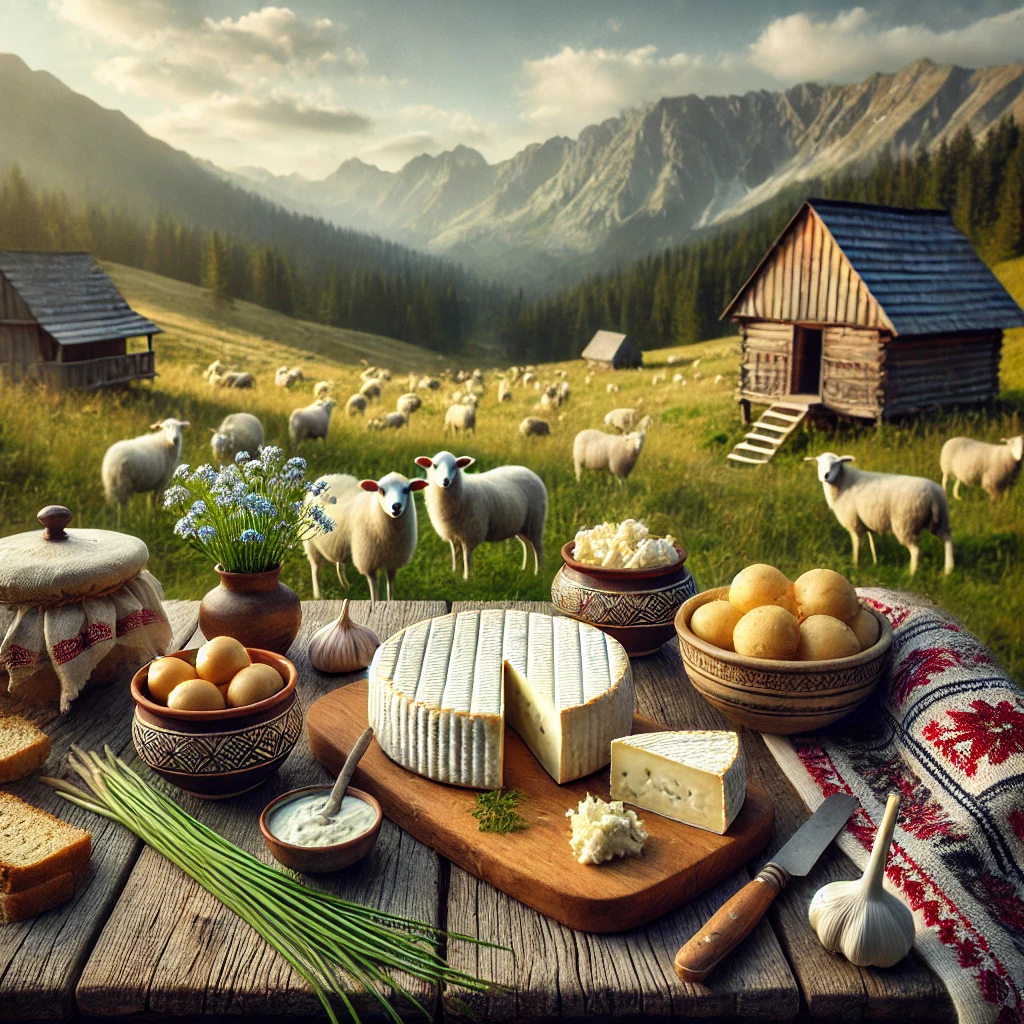
High in the southern mountains of Poland, where wooden shepherd huts dot alpine meadows and sheep graze on aromatic grasses, one of the country’s most distinctive cheeses is born: Bryndza Podhalańska. Soft, tangy, and deeply regional, this sheep’s milk cheese is a cornerstone of Polish highland cuisine.
Bryndza Podhalańska is not just a food—it is a cultural symbol of the Podhale region and its shepherd traditions. Protected by European designation, it represents centuries of pastoral knowledge, seasonal rhythms, and a close relationship between people, animals, and landscape. This comprehensive guide explores Bryndza Podhalańska in depth, from its origins and production to its taste, uses, and enduring significance.
What Is Bryndza Podhalańska?
Bryndza Podhalańska is a soft, spreadable cheese made primarily from sheep’s milk. It has a creamy yet crumbly texture and a bold, tangy flavor that reflects the mountain pastures where the sheep graze.
Unlike aged mountain cheeses, Bryndza is a fresh fermented cheese, traditionally produced during the grazing season from May to September. Its color ranges from white to pale cream, and its aroma is distinctly sheepy, fresh, and slightly sour.
The Podhale Region: Home of Bryndza
Bryndza Podhalańska comes from the Podhale region, located at the foothills of the Tatra Mountains. This area is known for its strong highlander (Góral) culture, wooden architecture, folk music, and pastoral lifestyle.
Sheep grazing in Podhale feed on wild herbs and grasses unique to the mountain environment. This natural diet gives the milk—and therefore the cheese—its unmistakable character. The region’s climate and altitude are essential to Bryndza’s identity, which is why production is strictly regulated.
Protected Designation of Origin (PDO)
Bryndza Podhalańska holds Protected Designation of Origin (PDO) status within the European Union. This means:
-
It must be produced in the Podhale region
-
It must contain a high percentage of sheep’s milk
-
Traditional production methods must be followed
PDO status protects authenticity, ensures quality, and supports local shepherd communities. It also distinguishes Bryndza Podhalańska from other cheeses called “bryndza” in neighboring countries.
Traditional Production Methods
Sheep’s Milk as the Foundation
Authentic Bryndza Podhalańska is made mainly from raw sheep’s milk. Small amounts of cow’s milk may be allowed, but sheep’s milk must dominate.
From Oscypek to Bryndza
The process begins with Oscypek, a firm smoked sheep cheese also made in Podhale. Fresh Oscypek or its unsmoked form is crumbled and mixed to create Bryndza.
Fermentation and Mixing
The cheese mass is lightly salted and allowed to ferment. It is then kneaded until smooth and spreadable. This fermentation gives Bryndza its characteristic tang and aroma.
Fresh Consumption
Bryndza is not aged for long periods. It is meant to be eaten fresh, at the height of its flavor.
Taste and Texture Profile
Bryndza Podhalańska is known for its expressive sensory qualities:
-
Flavor: Tangy, salty, slightly sour, distinctly sheepy
-
Aroma: Fresh dairy with strong pastoral notes
-
Texture: Soft, creamy, slightly grainy
-
Finish: Long-lasting, savory, and refreshing
The flavor intensity can vary depending on season, milk composition, and fermentation time.
How Bryndza Podhalańska Is Used in Polish Cuisine
Traditional Spreads
Bryndza is most commonly spread on bread, often mixed with butter or cream. It is a staple of simple mountain meals.
With Potatoes and Dumplings
One of the most famous dishes featuring Bryndza is Bryndzowe pierogi, where the cheese fills tender dumplings.
Pasta and Mountain Dishes
Bryndza is also used in potato-based dishes and rustic pastas, adding creaminess and sharp flavor.
Modern Interpretations
Today, chefs use Bryndza in salads, sauces, and even gourmet appetizers, pairing it with vegetables and herbs.
Pairing Suggestions
Bryndza Podhalańska pairs best with simple foods that balance its intensity:
-
Breads: Rye bread, sourdough, rustic rolls
-
Vegetables: Potatoes, cucumbers, radishes
-
Condiments: Chives, onions, butter
-
Drinks: Kefir, light beer, dry white wine
These combinations highlight Bryndza’s tang without overpowering it.
Cultural Significance
Bryndza Podhalańska is deeply tied to the identity of the Góral people. Shepherding, cheesemaking, and seasonal grazing are central to their way of life.
Cheesemaking knowledge is passed down through generations, often learned in shepherd huts (bacówki) high in the mountains. Eating Bryndza is not just about taste—it is about preserving a living tradition.
Bryndza Podhalańska vs Other Bryndza Cheeses
| Feature | Bryndza Podhalańska | Slovak Bryndza | Balkan Bryndza |
|---|---|---|---|
| Origin | Poland (Podhale) | Slovakia | Balkans |
| Milk | Mostly sheep | Sheep/Cow | Varies |
| Texture | Soft & spreadable | Soft | Soft |
| PDO Status | Yes | Yes | No |
Polish Bryndza stands out for its strong sheep character and regional specificity.
Nutritional Value
Bryndza Podhalańska is nutritionally rich:
-
High-quality protein
-
Calcium and phosphorus
-
Beneficial fats from sheep’s milk
Because of its salt content, it is best enjoyed in moderation.
Availability Today
Bryndza Podhalańska is available in Poland during the grazing season and in specialty shops year-round. Outside Poland, it can sometimes be found in Central European or gourmet cheese stores.
PDO labeling ensures consumers are buying authentic Bryndza from Podhale.
Why Bryndza Podhalańska Still Matters
In a world of standardized dairy products, Bryndza Podhalańska represents locality, seasonality, and craftsmanship. Its flavor tells a story of mountain pastures, sheep herds, and human tradition.
For cheese lovers seeking something truly regional and expressive, Bryndza Podhalańska offers a genuine taste of Polish mountain culture.
Conclusion
Bryndza Podhalańska is one of Poland’s most iconic cheeses. Soft, tangy, and unmistakably sheepy, it reflects centuries of pastoral life in the Podhale region.
Whether spread on bread, folded into dumplings, or enjoyed simply with potatoes, Bryndza Podhalańska remains a powerful symbol of Polish culinary heritage and a must-try for lovers of traditional European cheeses.
FAQ: Bryndza Podhalańska – A Polish Sheep’s Milk Cheese
What is Bryndza Podhalańska?
It is a traditional Polish soft cheese made primarily from sheep’s milk in the Podhale region.
Is Bryndza Podhalańska the same as Oscypek?
No. Oscypek is a firm smoked cheese; Bryndza is a soft, spreadable cheese often made from Oscypek.
What does Bryndza Podhalańska taste like?
It has a tangy, salty, slightly sour flavor with a strong sheep milk character.
How is Bryndza Podhalańska traditionally eaten?
It is spread on bread, used in dumplings, or paired with potatoes and vegetables.
Is Bryndza Podhalańska protected?
Yes, it has EU Protected Designation of Origin (PDO) status.