
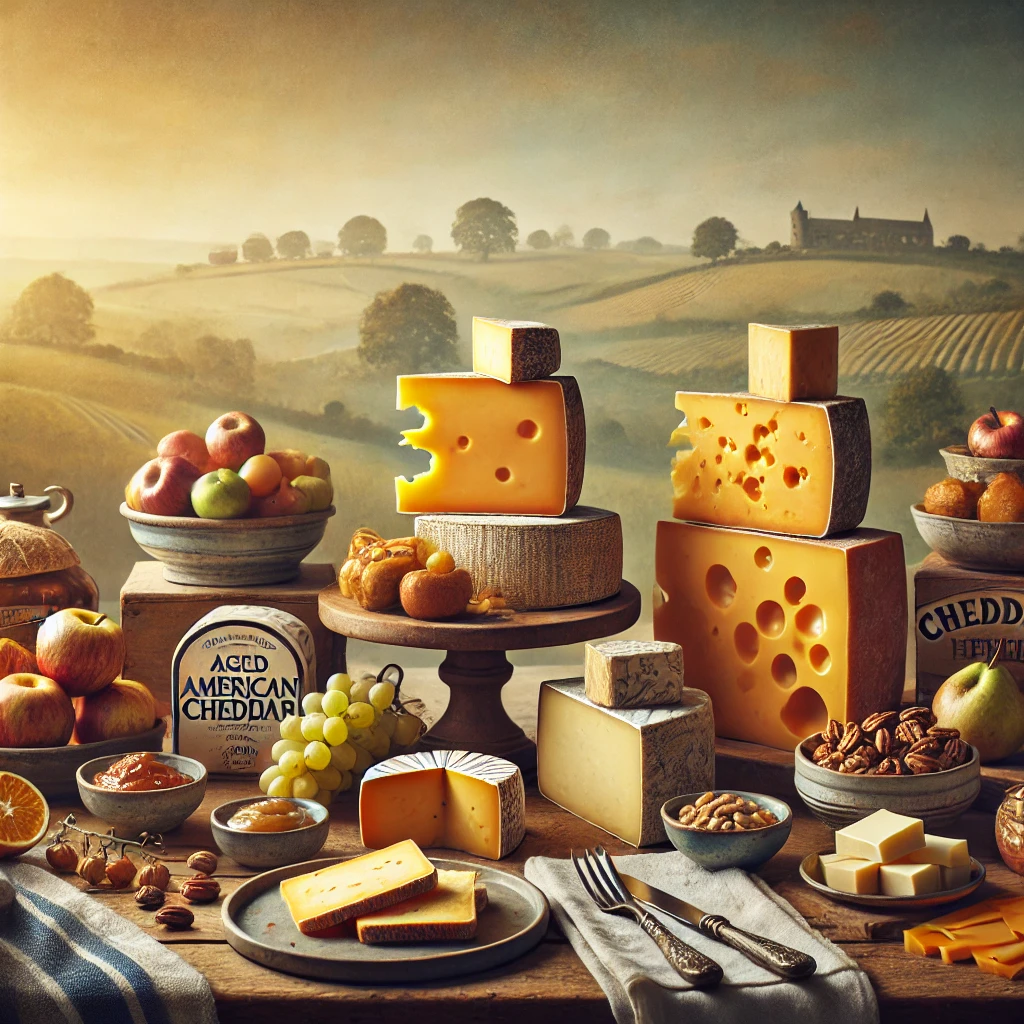
Few foods enjoy the universal recognition and enduring popularity of Cheddar cheese. From everyday sandwiches to gourmet cheese boards, Cheddar has become a staple in kitchens across continents. Its appeal lies in its versatility, balanced flavor, and ability to adapt to local tastes while retaining its core identity.
Originally developed in United Kingdom, Cheddar cheese has traveled far beyond its birthplace. Today, it is produced and enjoyed in countries such as the United States, Canada, Australia, and New Zealand. This article explores why Cheddar cheese became a global favorite—covering its history, production, taste, varieties, and cultural significance.
The Origins of Cheddar Cheese
Cheddar cheese traces its roots to the English village of Cheddar in Somerset, where natural limestone caves provided ideal conditions for aging cheese. These caves offered stable temperature and humidity, allowing cheese to mature slowly and develop complex flavors.
By the 18th and 19th centuries, Cheddar’s reputation had spread throughout Britain. Advances in dairy science and transportation helped standardize production, making Cheddar one of the first cheeses to be produced on a large scale while still retaining artisanal character.
How Cheddar Cheese Is Made
Milk Selection
Cheddar is traditionally made from cow’s milk. Milk quality strongly influences flavor, texture, and aging potential.
Curd Formation
Rennet is added to warm milk, causing it to coagulate. The curds are then cut to release whey.
The Cheddaring Process
What sets Cheddar apart is the cheddaring step. Curds are stacked, turned, and cut repeatedly. This process expels moisture and creates Cheddar’s firm, dense texture.
Milling and Salting
Curds are milled into small pieces and salted, which enhances flavor and preservation.
Pressing and Aging
The curds are pressed into molds and aged anywhere from a few months to several years, depending on the desired style.
Taste Profile of Cheddar Cheese
Cheddar’s flavor evolves significantly with age:
-
Young Cheddar: Mild, creamy, slightly sweet
-
Mature Cheddar: Balanced, nutty, savory
-
Sharp or Aged Cheddar: Bold, tangy, complex
Texture
Cheddar ranges from smooth and sliceable when young to crumbly and crystalline when aged.
Aroma
Aged Cheddar develops deeper aromas, often described as nutty, buttery, or slightly earthy.
Popular Varieties of Cheddar Cheese
Mild Cheddar
-
Aged 2–3 months
-
Soft texture, gentle flavor
-
Ideal for melting and everyday use
Medium Cheddar
-
Aged 4–6 months
-
Balanced flavor and firmness
-
Versatile for cooking and snacking
Sharp Cheddar
-
Aged 9–12 months
-
Tangy, bold taste
-
Popular on cheese boards
Extra-Aged Cheddar
-
Aged 18 months or more
-
Crumbly texture with crystals
-
Best enjoyed on its own
Clothbound Cheddar
Traditionally wrapped in cloth and aged naturally, clothbound Cheddar offers deeper, earthier flavors and a rustic rind.
Why Cheddar Became a Global Favorite
Adaptability
Cheddar adapts well to different climates, milk types, and aging styles, allowing producers worldwide to create regional interpretations.
Versatility in Cooking
Cheddar melts smoothly, grates easily, and holds flavor when heated—making it ideal for countless recipes.
Balanced Flavor
Cheddar strikes a balance between mild and bold, appealing to both casual eaters and cheese connoisseurs.
Accessibility
From affordable everyday blocks to premium aged wheels, Cheddar fits a wide range of budgets and tastes.
Cheddar Cheese in Global Cuisine
In the United Kingdom
Cheddar is served with bread, apples, and chutney, or used in classic dishes like cheese toasties.
In North America
Cheddar is essential in burgers, macaroni and cheese, casseroles, and sandwiches.
In Australia and New Zealand
Cheddar is widely used in baking, pies, and everyday meals, often with a slightly sharper profile.
Worldwide
From quesadillas to savory pastries, Cheddar has found a place in countless regional cuisines.
Pairing Cheddar Cheese
Bread and Crackers
-
Sourdough
-
Whole-grain crackers
-
Oatcakes
Fruits and Nuts
-
Apples and pears
-
Grapes
-
Walnuts and almonds
Condiments
-
Mustard
-
Apple or onion chutney
-
Honey (for aged Cheddar)
Drinks
-
Cider
-
Red wine
-
Dark ale or stout
These pairings enhance Cheddar’s savory and nutty notes.
Nutritional Value of Cheddar Cheese
Cheddar is nutrient-dense and satisfying:
-
High-quality protein
-
Calcium for bone health
-
Vitamins A and B12
-
Natural fats that provide energy
Because of its richness, moderate portions are recommended as part of a balanced diet.
Cheddar Cheese vs Other Popular Cheeses
| Feature | Cheddar | Mozzarella | Gouda |
|---|---|---|---|
| Texture | Firm to crumbly | Soft & stretchy | Semi-hard |
| Flavor | Mild to sharp | Mild | Sweet & nutty |
| Aging | Short to long | Fresh | Short to medium |
| Melting | Excellent | Excellent | Good |
Cheddar stands out for its wide flavor range.
Artisanal vs Industrial Cheddar
Industrial Cheddar
-
Consistent and affordable
-
Mild flavor
-
Widely available
Artisanal Cheddar
-
Made in small batches
-
Complex, evolving flavors
-
Often clothbound or raw-milk
Both styles contribute to Cheddar’s global appeal.
Cultural Significance of Cheddar
Cheddar cheese symbolizes comfort, tradition, and reliability. It appears in family meals, celebrations, and comfort foods across cultures. Its familiarity makes it a gateway cheese for beginners and a benchmark for experts.
Why Cheddar Cheese Endures
Cheddar’s success lies in its ability to evolve without losing identity. Whether mild or sharp, industrial or artisanal, it continues to meet the needs of changing tastes while honoring centuries-old methods.
As global food trends shift toward both convenience and craftsmanship, Cheddar comfortably occupies both worlds.
Conclusion
Cheddar cheese is truly a global favorite. From its humble origins in England to its worldwide presence today, it has earned its place through flavor, versatility, and adaptability. Whether melted into a comforting dish or savored as a carefully aged delicacy, Cheddar remains one of the most beloved cheeses on earth.
For cheese lovers of all levels, Cheddar offers a journey—from simple and mild to bold and complex—making it a timeless classic that continues to unite tastes across the globe.
FAQ: Cheddar Cheese – A Global Favorite
What is Cheddar cheese?
Cheddar is a firm cow’s milk cheese known for its wide range of flavors from mild to sharp.
Where did Cheddar cheese originate?
It originated in England, in the village of Cheddar in Somerset.
Why is Cheddar cheese so popular worldwide?
Its balanced flavor, versatility, and adaptability make it suitable for many cuisines and uses.
What does aged Cheddar taste like?
Aged Cheddar tastes sharper, nuttier, and more complex than young Cheddar.
Is Cheddar cheese good for cooking?
Yes, Cheddar melts well and retains flavor, making it excellent for cooking and baking.


