Indonesia’s food market is changing rapidly. Urbanization, rising middle-class income, exposure to global cuisine, and the explosive growth of e-commerce have created strong demand for cheese and dairy products. From home bakers and café owners to families experimenting with Western, Korean, and Japanese recipes, cheese consumption is growing every year.
Selling cheese online in Indonesia is no longer limited to large importers or supermarkets. Today, small businesses, specialty shops, and even home-based sellers can reach customers nationwide—if they understand the rules, logistics, and market expectations.
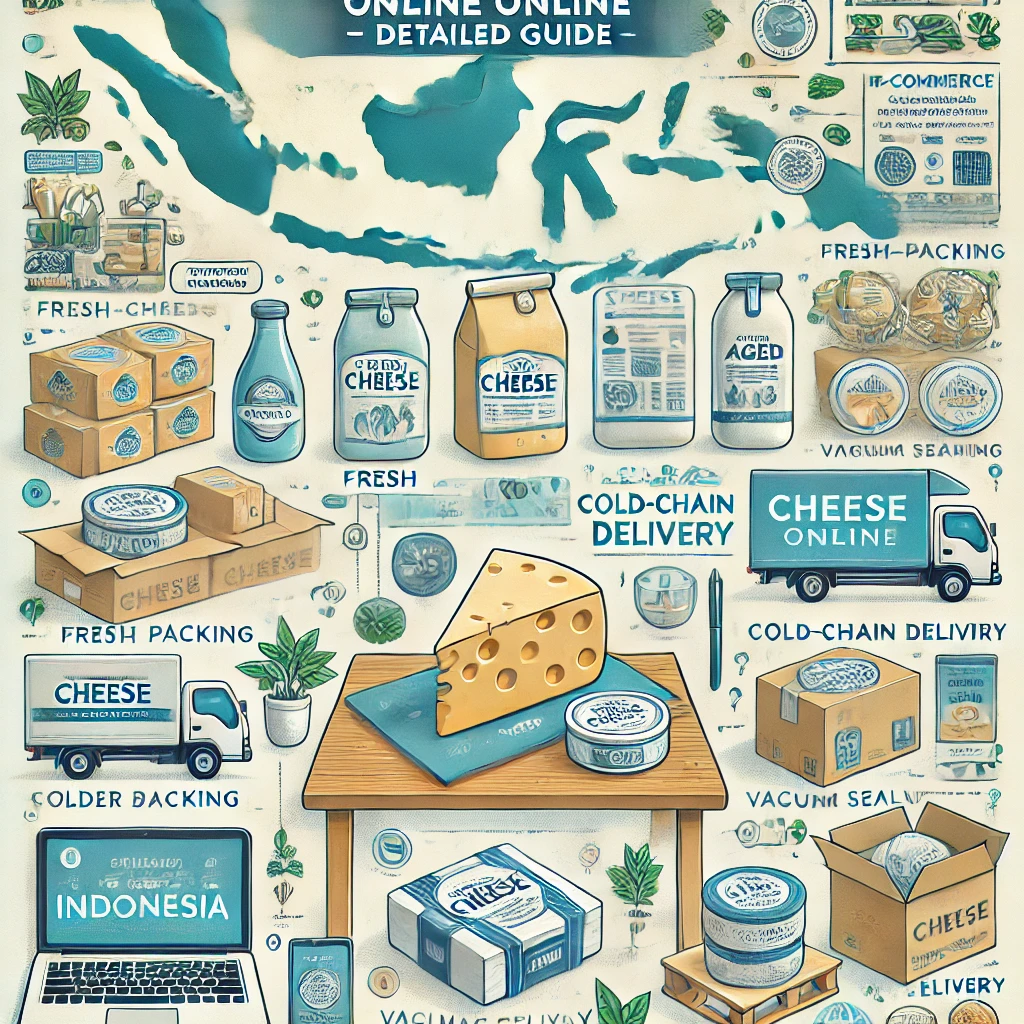
This detailed guide walks you step by step through how to sell cheese online in Indonesia, covering legal requirements, sourcing, storage, pricing, platforms, marketing, and common mistakes to avoid.
Understanding the Indonesian Cheese Market
Before selling cheese online, it’s essential to understand local demand.
Popular Cheese Types in Indonesia
Indonesian consumers commonly buy:
-
Mozzarella (pizza & baking)
-
Cheddar (processed and natural)
-
Cream cheese
-
Parmesan-style cheese
-
Cheese slices and blocks for home use
Artisan and specialty cheeses (brie, gouda, camembert, goat cheese) are growing in niche markets, especially in Jakarta, Bandung, Surabaya, and Bali.
Who Buys Cheese Online?
-
Home bakers and small cafés
-
Restaurants and cloud kitchens
-
Middle-class families
-
Expats and international communities
Online buyers expect convenience, freshness, and safety.
Legal Requirements to Sell Cheese Online in Indonesia
Cheese is classified as a processed animal-based food, so selling it legally requires compliance with Indonesian food regulations.
Business Registration (Wajib)
To sell cheese online, you must have a registered business:
-
NIB (Nomor Induk Berusaha) via OSS system
-
Business type: Food & Beverage trading or processing
This applies whether you sell via marketplace, website, or social media.
Food Safety & Product Registration
Depending on your role, requirements differ:
If You Repack or Produce Cheese
You need:
-
PIRT (for small-scale local distribution)
-
or BPOM MD/ML (for larger-scale or imported products)
If You Resell Branded Cheese
-
Ensure the product already has BPOM approval
-
You must not alter original packaging or labeling
Selling imported cheese without BPOM registration is illegal.
Halal Certification (Strongly Recommended)
While cheese is not always mandatory for halal certification, Indonesian consumers strongly prefer halal-labeled products.
-
Issued by BPJPH / MUI
-
Especially important for mozzarella, cheddar, and processed cheese
Halal certification significantly increases trust and sales.
Sourcing Cheese for Online Sales
Option 1: Local Cheese Producers
Pros:
-
Fresher supply
-
Lower shipping costs
-
Easier compliance
Cons:
-
Limited variety
Best for mozzarella, fresh cheese, and processed cheese.
Option 2: Authorized Importers
Pros:
-
Access to international brands
-
Premium positioning
Cons:
-
Higher cost
-
Strict documentation
Only buy from licensed importers with BPOM-approved products.
Option 3: Wholesale Distributors
Ideal for beginners:
-
No production license required
-
Ready-to-sell products
-
Stable supply
Ensure cold storage and proper invoices.
Cold Chain & Storage: The Most Critical Factor
Cheese quality depends on temperature control.
Storage Requirements
-
Refrigeration: 2–5°C
-
Separate storage from raw foods
-
FIFO (First In, First Out) system
Packaging for Online Orders
Proper packaging prevents spoilage:
-
Vacuum sealing or original sealed packs
-
Insulated boxes
-
Ice gel packs
-
Leak-proof secondary wrapping
Never ship cheese without cooling protection.
Shipping & Delivery Options
Best practices:
-
Same-day or next-day delivery
-
Use cold-chain couriers (where available)
-
Limit delivery radius for soft cheeses
For long-distance shipping, hard cheeses perform better.
Choosing the Right Online Selling Platform
Marketplaces
Popular platforms in Indonesia:
-
Tokopedia
-
Shopee
-
Bukalapak
Pros:
-
High traffic
-
Built-in trust
Cons:
-
Price competition
-
Platform fees
Social Media (Instagram & WhatsApp)
Pros:
-
Direct customer relationships
-
Flexible pricing
-
Strong branding
Cons:
-
Manual order handling
Best for premium or niche cheese sellers.
Own Website
Pros:
-
Full control
-
Strong brand identity
Cons:
-
Requires marketing budget
Ideal for long-term growth.
Pricing Strategy for Cheese in Indonesia
Key cost components:
-
Product cost
-
Cold packaging
-
Ice gel & insulation
-
Delivery fees
-
Platform commission
Pricing Tips
-
Bundle products (pizza kits, baking kits)
-
Offer bulk pricing for cafés
-
Be transparent about shipping costs
Never underprice at the expense of food safety.
Marketing Cheese Online Successfully
Content Marketing
Educate customers:
-
How to store cheese
-
How to use cheese in recipes
-
Difference between cheese types
Educational posts build trust.
Visual Branding
-
Clean product photos
-
Clear labeling
-
Refrigeration proof images
Trust is visual in online food sales.
Promotions
-
Free delivery thresholds
-
First-time buyer discounts
-
Ramadan and festive bundles
Customer Trust Signals
-
BPOM number displayed
-
Halal logo
-
Clear expiry dates
-
Real customer reviews
These significantly impact conversion rates.
Common Mistakes to Avoid
❌ Selling without proper license
❌ Ignoring cold-chain requirements
❌ Repacking without legal permission
❌ Selling imported cheese without BPOM
❌ No clear refund or spoilage policy
Food safety violations can permanently damage your brand.
Handling Complaints & Returns
Create clear policies:
-
Photo proof required for spoilage
-
Same-day reporting
-
Replacement or refund options
Professional handling builds long-term trust.
Scaling Your Cheese Business
Once established, you can expand into:
-
Cheese subscription boxes
-
B2B supply to cafés
-
Private-label cheese products
-
Frozen cheese-based foods
Indonesia’s cheese market is still growing—early movers benefit.
Is Selling Cheese Online in Indonesia Profitable?
Yes, if done correctly. Success depends on:
-
Legal compliance
-
Cold-chain discipline
-
Trust-building marketing
-
Consistent supply
Cheese is a repeat-purchase product when customers trust quality.
Conclusion
Selling cheese online in Indonesia offers strong business potential, but it is not a casual venture. It requires legal compliance, food safety discipline, reliable sourcing, and customer education. Entrepreneurs who respect these fundamentals can build profitable, trusted cheese brands in Indonesia’s fast-growing digital food economy.
By following this detailed guide—step by step—you can enter the market confidently, avoid costly mistakes, and create a sustainable online cheese business that customers return to again and again.
FAQ: Selling Cheese Online in Indonesia
Do I need a license to sell cheese online in Indonesia?
Yes. You need an NIB and proper food registration (PIRT or BPOM).
Can I sell imported cheese online?
Yes, but only if it has BPOM approval and is sourced from licensed importers.
Is halal certification required for cheese?
Not always mandatory, but highly recommended to increase trust and sales.
How do I ship cheese safely?
Use insulated packaging, ice gel packs, and fast delivery methods.
Which platform is best for selling cheese online?
Marketplaces are good for beginners, while Instagram and websites work well for branding.