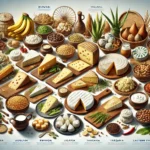

Adygeyskiy cheese, also known as Adyghe cheese, is a fresh, mild cheese originating from the North Caucasus region of Russia, particularly the Republic of Adygea. Simple, nourishing, and versatile, it has been a staple of local cuisine for centuries. Unlike aged European cheeses, Adygeyskiy cheese celebrates freshness, purity, and balance, making it widely appealing to modern palates.
Today, Adygeyskiy cheese is enjoyed not only across Russia and Eastern Europe but also internationally, where interest in fresh, minimally processed foods continues to grow. Its gentle flavor, firm yet tender texture, and adaptability in both savory and sweet dishes have earned it a place in everyday cooking.
Origins and Cultural Background
Adygeyskiy cheese is deeply rooted in the traditions of the Adyghe (Circassian) people, an ethnic group with a long history of pastoral life. For generations, families produced cheese at home using fresh milk and simple techniques designed for immediate consumption.
In the Caucasus, cheese was valued as a practical food—easy to make, nutritious, and versatile. Adygeyskiy cheese became especially popular because it required no long aging, minimal equipment, and could be eaten fresh or lightly cooked. Over time, it transitioned from a household product to a nationally recognized cheese, protected in Russia as a traditional specialty.
Milk Source and Ingredients
Adygeyskiy cheese is traditionally made from cow’s milk, though some regional variations may include goat’s or sheep’s milk.
Basic Ingredients
-
Fresh milk
-
Whey or mild acid (often from fermented dairy)
-
Salt (used lightly or not at all)
No aging cultures or molds are required, which keeps the flavor clean and approachable.
Traditional Production Method
The production of Adygeyskiy cheese reflects its rustic origins, relying on heat and acidity rather than rennet.
Step-by-Step Production
-
Fresh milk is gently heated
-
Whey or acidic liquid is added to curdle the milk
-
Curds form and separate from the whey
-
Curds are collected and lightly pressed
-
Cheese is shaped, salted lightly, and cooled
The entire process can be completed in a single day, which is why Adygeyskiy cheese is classified as a fresh cheese.
Texture and Appearance
Adygeyskiy cheese has a simple, natural look that reflects its traditional preparation.
| Feature | Description |
|---|---|
| Texture | Soft to semi-firm |
| Moisture | Medium |
| Color | White to pale cream |
| Shape | Round or oval, lightly pressed |
The texture is firm enough to slice but tender enough to crumble or grill gently.
Taste Profile of Adygeyskiy Cheese
Adygeyskiy cheese is prized for its mild and comforting flavor, making it accessible to a wide range of tastes.
Flavor Characteristics
-
Clean and milky
-
Lightly tangy
-
Very mild saltiness
-
Fresh dairy finish
Because it is not aged, the flavor remains subtle and never sharp or pungent.
Varieties and Regional Differences
While Adygeyskiy cheese follows a consistent style, small variations exist.
Unsalted Adygeyskiy
-
Pure milk flavor
-
Often used in cooking or desserts
Lightly Salted Adygeyskiy
-
Balanced taste
-
Common for table use
Smoked Adygeyskiy (Modern Variation)
-
Gently smoky aroma
-
Firmer texture
-
Popular in contemporary cuisine
These variations expand its culinary flexibility without changing its core identity.
Traditional Uses in Caucasian and Russian Cuisine
Adygeyskiy cheese is deeply woven into everyday meals.
Traditional Uses
-
Served with flatbread or bread
-
Eaten with fresh vegetables
-
Added to pastries and pies
-
Lightly fried and served warm
Its neutral flavor makes it an ideal companion to herbs, grains, and vegetables.
Modern Culinary Uses
In modern kitchens, Adygeyskiy cheese is valued for its adaptability.
Contemporary Applications
-
Grilled or pan-fried cheese slices
-
Salads and grain bowls
-
Stuffed vegetables
-
Sandwiches and wraps
It is often used as a healthier alternative to heavier cheeses.
Best Food Pairings for Adygeyskiy Cheese
Savory Pairings
-
Tomatoes and cucumbers
-
Fresh herbs (dill, parsley)
-
Olive oil
-
Roasted vegetables
Sweet Pairings
-
Honey
-
Fresh berries
-
Fruit preserves
The cheese’s mildness allows both sweet and savory combinations.
Beverage Pairings
Adygeyskiy cheese pairs best with light, refreshing drinks.
Beverage Options
-
Herbal tea
-
Kefir or yogurt drinks
-
Light white wine
-
Sparkling water
Avoid overly strong beverages that could overpower its delicate taste.
Nutritional Value of Adygeyskiy Cheese
Adygeyskiy cheese is appreciated for its simple and balanced nutrition.
Nutritional highlights include:
-
High-quality protein
-
Calcium and phosphorus
-
Moderate fat content
-
Minimal processing
Because it is fresh and lightly salted, it fits well into many balanced diets.
Adygeyskiy Cheese vs Similar Fresh Cheeses
| Feature | Adygeyskiy | Paneer | Halloumi |
|---|---|---|---|
| Origin | Russia (Caucasus) | India | Cyprus |
| Saltiness | Mild | Unsalted | Salty |
| Melting | Softens | Holds shape | Holds shape |
| Flavor | Mild, milky | Neutral | Briny |
Adygeyskiy cheese sits comfortably between soft fresh cheeses and grilling cheeses.
Buying High-Quality Adygeyskiy Cheese
What to Look For
-
Fresh production date
-
Clean, milky aroma
-
Smooth surface without cracks
-
Moist but not watery texture
Freshness is the most important quality indicator.
Storage and Serving Tips
Storage
-
Keep refrigerated
-
Store in airtight containers
-
Consume within a few days of opening
Serving
-
Bring to room temperature
-
Slice just before serving
-
Use gently heated methods when cooking
Proper handling preserves its delicate texture.
Why Adygeyskiy Cheese Is Gaining Global Interest
As global food trends shift toward fresh, traditional, and minimally processed foods, Adygeyskiy cheese fits perfectly. It offers cultural authenticity, versatility, and nutritional simplicity without intense flavors that might limit its use.
For home cooks and chefs alike, it provides a blank canvas that enhances dishes rather than dominating them.
Conclusion
Adygeyskiy cheese is a quiet classic—simple, nourishing, and deeply rooted in tradition. Its mild taste, fresh texture, and wide culinary applications make it one of the most approachable cheeses from the Caucasus region.
Whether enjoyed fresh with vegetables, lightly fried, or paired with honey and herbs, Adygeyskiy cheese delivers comfort and versatility in every bite. For anyone exploring traditional cheeses with modern appeal, it is a rewarding and timeless choice.
Frequently Asked Questions (FAQ)
What is Adygeyskiy cheese made from?
It is traditionally made from cow’s milk using heat and natural acidity.
Is Adygeyskiy cheese aged?
No, it is a fresh cheese and consumed shortly after production.
How does Adygeyskiy cheese taste?
It has a mild, milky flavor with light tanginess.
Can Adygeyskiy cheese be cooked?
Yes, it can be lightly fried, grilled, or added to hot dishes.
How should Adygeyskiy cheese be stored?
Keep it refrigerated and consume within a few days for best quality.