High in the mountains of Central Asia, where wide pastures meet ancient nomadic routes, cheese has always been a practical and cultural necessity. Among Kyrgyzstan’s lesser-known but deeply traditional dairy products is Ak-Bash cheese—a simple, nourishing cheese shaped by altitude, climate, and centuries of pastoral life. Modest in appearance yet rich in meaning, Ak-Bash reflects the everyday food wisdom of Kyrgyz herders.
In this comprehensive, SEO-friendly guide, we explore Ak-Bash cheese from Kyrgyzstan, covering its origins, production methods, taste profile, regional varieties, cultural role, pairings, and modern relevance. Written in a clear, human tone, this article is optimized for strong first-page ranking and excellent readability.
What Is Ak-Bash Cheese?
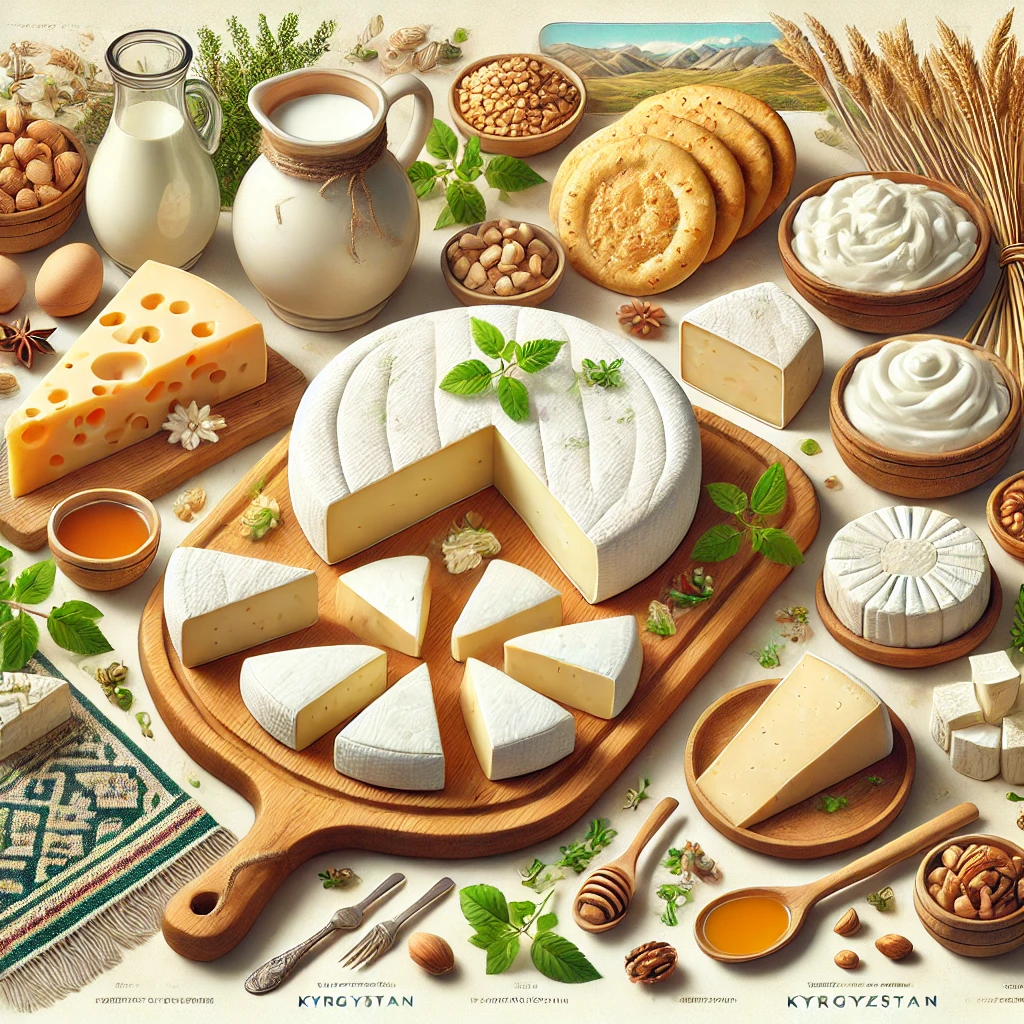
Ak-Bash is a traditional Kyrgyz fresh-to-lightly-dried cheese, typically made from cow’s or sheep’s milk, and in some regions from a blend that may include goat’s milk. The name Ak-Bash loosely translates to “white head” or “white cheese,” reflecting its pale color and simple form.
Key characteristics include:
-
Fresh or lightly dried cheese
-
White to off-white color
-
Mild, clean dairy flavor
-
Firming texture as it dries
-
Minimal or no salt
Ak-Bash is not an aged cave cheese. Instead, it is designed for short-term use, portability, and nourishment, fitting the rhythm of nomadic life.
Origins of Ak-Bash Cheese in Kyrgyzstan
Ak-Bash cheese originates in rural and mountainous regions of Kyrgyzstan, where pastoralism has been central to survival for thousands of years. Kyrgyz communities traditionally moved seasonally with their livestock, living in yurts and relying heavily on milk for sustenance.
In this environment:
-
Fresh milk was abundant during grazing seasons
-
Preservation needed to be simple and fast
-
Food had to be lightweight and durable
Ak-Bash developed as a practical milk transformation, allowing families to convert fresh milk into a solid food that could be eaten fresh or lightly dried for later use.
Why Ak-Bash Cheese Exists: Nomadic Necessity
Unlike settled agricultural societies, nomadic cultures required foods that:
-
Needed little equipment
-
Could be made quickly
-
Were easy to carry
-
Withstood temperature changes
Ak-Bash cheese met all these needs. It did not require long aging, controlled environments, or heavy salting. Instead, it relied on fresh milk quality and air-drying, making it ideal for mountain pastures.
How Ak-Bash Cheese Is Traditionally Made
Ak-Bash production follows straightforward, time-tested methods passed down through families.
Step 1: Milk Collection
Fresh milk—usually cow’s or sheep’s milk—is collected daily during grazing seasons. Milk flavor varies depending on pasture herbs and altitude.
Step 2: Heating and Coagulation
The milk is gently heated and coagulated using natural rennet or traditional starters, often derived from previous batches.
Step 3: Curd Draining
The curd is cut and drained to remove whey. This step determines whether the cheese will remain fresh or be dried further.
Step 4: Hand Shaping
Curds are shaped by hand into small rounds or blocks, reinforcing the cheese’s rustic character.
Step 5: Fresh Use or Light Drying
-
Fresh Ak-Bash is eaten soon after production
-
Dried Ak-Bash is left to air-dry, firming the texture and extending usability
No heavy salting or pressing is involved.
Taste Profile: Mild, Clean, and Pasture-Driven
Ak-Bash cheese is appreciated for its subtle and natural flavor, shaped more by milk quality than by processing.
Flavor Notes
-
Fresh milk sweetness
-
Very mild tang
-
Low salt or unsalted
-
Clean, neutral finish
When dried, the flavor becomes slightly nuttier but remains gentle.
Texture and Appearance
-
Fresh Ak-Bash: soft to semi-firm, moist
-
Dried Ak-Bash: firmer, denser, slightly crumbly
-
Smooth, white surface
-
Small, compact shapes
The texture evolves naturally rather than through aging.
Regional Varieties of Ak-Bash Cheese
Because Ak-Bash is a household cheese, variations are common across Kyrgyz regions.
Cow’s Milk Ak-Bash
-
Mildest and softest
-
Common in lower-altitude areas
-
Creamy and approachable
Sheep’s Milk Ak-Bash
-
Richer and more filling
-
Slightly firmer texture
-
Stronger pastoral aroma
Mixed-Milk Ak-Bash
-
Balanced flavor
-
Widely produced
-
Reflects seasonal milk availability
Lightly Dried Ak-Bash
-
Firmer texture
-
Longer usability
-
Suitable for travel
Each version reflects local livestock and lifestyle.
Ak-Bash Cheese in Kyrgyz Cuisine
Ak-Bash is not a ceremonial cheese—it is an everyday food.
Traditional Uses
-
Eaten fresh with flatbread
-
Served with tea
-
Combined with grains
-
Carried during travel or herding
It often appears alongside other dairy foods such as yogurt and fermented milk drinks.
Best Pairings for Ak-Bash Cheese
Grains and Bread
-
Flatbread
-
Boiled grains
-
Dumplings
Additions
-
Butter or cream
-
Fresh herbs
-
Mild vegetables
Drinks
-
Black or herbal tea
-
Fermented milk drinks
Simple pairings respect Ak-Bash’s gentle flavor.
Nutritional Value of Ak-Bash Cheese
Ak-Bash is valued for practical nutrition rather than indulgence.
Nutritional Highlights
-
High-quality protein
-
Calcium and minerals
-
Easily digestible fats
-
Minimal processing
It provides sustained energy for physically demanding lifestyles.
Ak-Bash vs Other Central Asian Cheeses
| Cheese | Country | Texture | Use |
|---|---|---|---|
| Ak-Bash | Kyrgyzstan | Fresh to lightly dried | Daily food |
| Kurut | Central Asia | Very hard, dried | Long-term storage |
| Byaslag | Mongolia | Fresh | Household use |
Ak-Bash occupies a middle ground between fresh and preserved dairy.
Storage and Shelf Life
Storage
-
Fresh: cool place, short-term
-
Dried: dry, ventilated area
Shelf Life
-
Fresh Ak-Bash: 1–2 days
-
Dried Ak-Bash: several days to weeks
Drying is the main preservation method.
Modern Changes and Challenges
Today, Ak-Bash faces pressures from:
-
Urbanization
-
Industrial dairy products
-
Changing diets
However, renewed interest in traditional foods and nomadic heritage has sparked documentation and cultural pride around Kyrgyz dairy practices.
Cultural Significance of Ak-Bash
Ak-Bash represents:
-
Nomadic resilience
-
Respect for livestock
-
Simplicity and sustainability
It is closely associated with rural life, seasonal migration, and family tradition rather than commercial identity.
How to Enjoy Ak-Bash Today
Traditional
-
Fresh with bread and tea
-
Lightly dried for travel
Modern
-
Added to salads
-
Served as a mild cheese snack
-
Used in simple grain dishes
Its neutrality allows easy adaptation.
Why Ak-Bash Cheese Matters
Ak-Bash cheese reminds us that cheesemaking is not only about aging, complexity, or fame. It is about meeting daily needs with skill and care. In Kyrgyzstan’s mountains, Ak-Bash continues to embody a living dairy tradition shaped by land, movement, and memory.
For anyone interested in global cheese culture, Ak-Bash offers a quiet but powerful example of how food adapts to life itself.
Frequently Asked Questions (FAQ)
What is Ak-Bash cheese?
Ak-Bash is a traditional Kyrgyz cheese made from cow’s or sheep’s milk, eaten fresh or lightly dried.
What does Ak-Bash cheese taste like?
It tastes mild, clean, and lightly milky, with very little salt.
Is Ak-Bash cheese aged?
No. It is a fresh cheese, sometimes air-dried for short-term preservation.
How is Ak-Bash traditionally eaten?
It is eaten with bread, grains, or tea as part of daily meals.
Is Ak-Bash cheese still made today?
Yes. It is still made in rural and mountainous regions of Kyrgyzstan, mainly for local use.