
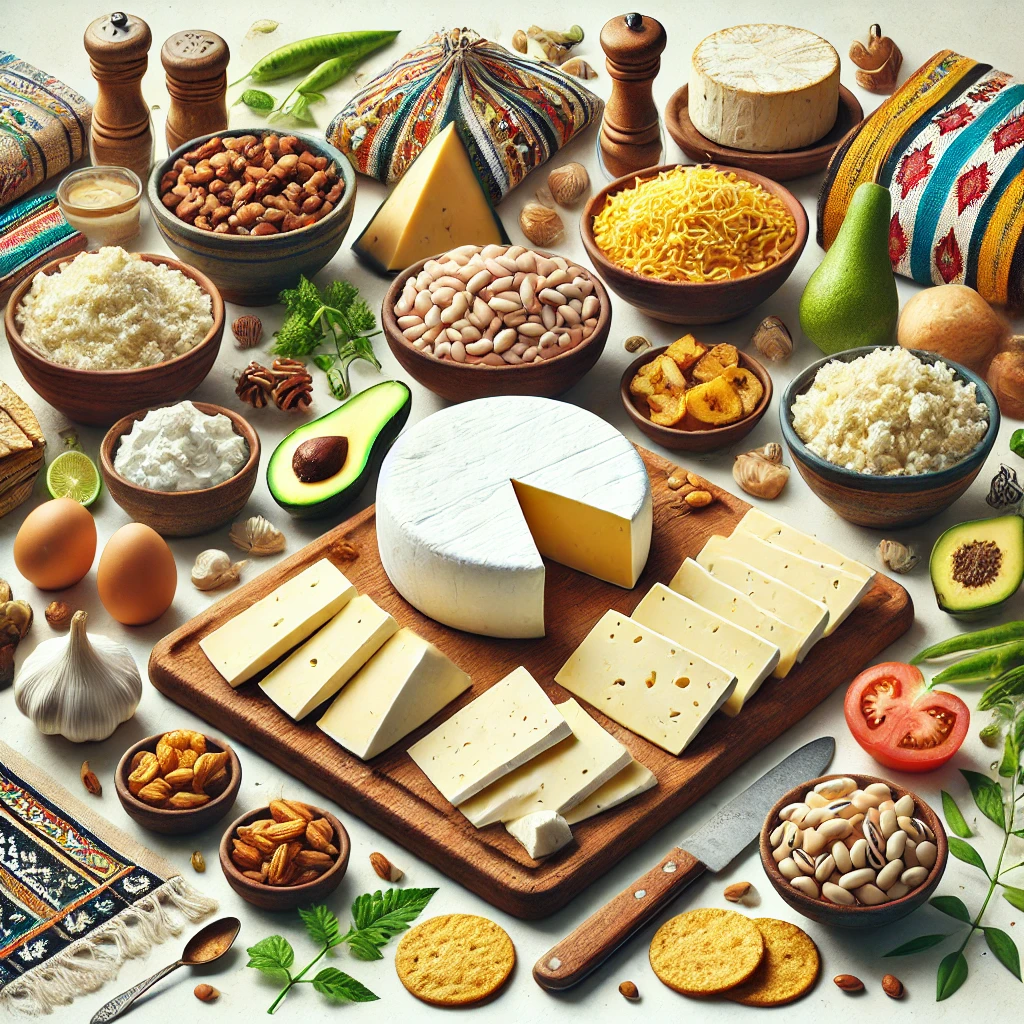
Belizean cuisine reflects a rich blend of Maya, Mestizo, Creole, and Garifuna traditions, shaped by tropical landscapes and agricultural life. Among the country’s most beloved dairy products is Belizean Queso Crema, a fresh, lightly tangy cheese that plays an essential role in everyday meals.
Belizean Queso Crema is a soft, spreadable fresh cheese, traditionally made from cow’s milk and consumed shortly after production. Unlike aged cheeses, it celebrates freshness and simplicity. Mild yet flavorful, Queso Crema adds richness to Belizean dishes without overpowering them, making it a staple in homes, markets, and roadside food stalls across the country.
Cultural and Historical Roots of Queso Crema in Belize
The tradition of making Queso Crema in Belize developed through a combination of Mesoamerican dairy practices and Spanish colonial influence. As cattle farming expanded in rural Belize, fresh milk became readily available, and families began transforming it into simple cheeses for daily use.
In warm tropical climates where refrigeration was once limited, fresh cheeses like Queso Crema offered a practical way to enjoy dairy safely. Over generations, the cheese became embedded in Belizean food culture, valued for its affordability, nutrition, and versatility.
Today, Queso Crema remains closely associated with home cooking, community markets, and traditional breakfasts, serving as a comforting link between past and present.
What Makes Belizean Queso Crema Unique?
While similar cheeses exist throughout Central America, Belizean Queso Crema has its own identity shaped by local preferences.
Key characteristics include:
-
Fresh, slightly tangy flavor
-
Soft, creamy consistency
-
Minimal processing
-
Short shelf life
-
Everyday culinary use
Rather than being a specialty cheese, Queso Crema is a daily essential, used generously and without ceremony.
Milk Source and Ingredients
Belizean Queso Crema is traditionally made from fresh cow’s milk, often sourced locally.
Core Ingredients
-
Fresh cow’s milk
-
Natural cultures or acidity
-
Rennet (traditional or modern)
-
Salt (used lightly)
The simplicity of ingredients allows the natural flavor of the milk to shine.
Traditional Production of Belizean Queso Crema
Queso Crema is produced using a straightforward fresh-cheese method, suitable for small-scale or household preparation.
Step-by-Step Traditional Method
-
Milk Heating
Fresh milk is gently warmed, avoiding boiling. -
Curdling
Natural acidity or rennet is added, causing the milk to separate into curds and whey. -
Draining
The curds are strained through cloth to remove excess whey. -
Light Pressing
Curds may be lightly pressed to achieve a creamy but structured texture. -
Salting
A small amount of salt is mixed in for flavor. -
Cooling
The cheese is cooled and consumed fresh.
The entire process is typically completed within a day.
Texture and Appearance
| Feature | Description |
|---|---|
| Texture | Soft, creamy, spreadable |
| Moisture | Medium to high |
| Color | Bright white |
| Shape | Loose curds or soft blocks |
The texture can vary slightly depending on drainage and pressing time.
Taste Profile of Belizean Queso Crema
Belizean Queso Crema is loved for its gentle yet satisfying flavor.
Flavor Characteristics
-
Mildly tangy
-
Creamy and fresh
-
Light saltiness
-
Clean dairy finish
It enhances dishes subtly, adding richness rather than sharpness.
Variations of Queso Crema in Belize
While the basic style remains consistent, small variations exist.
Fresh Queso Crema
-
Very soft and moist
-
Consumed the same day
-
Mild flavor
Slightly Firm Queso Crema
-
Lightly pressed
-
Easier to crumble or spread
-
Longer usability
Salt-Forward Versions
-
Slightly bolder taste
-
Short-term preservation
These variations reflect household preferences rather than formal categories.
Traditional Uses in Belizean Cuisine
Queso Crema appears in many everyday Belizean dishes.
Common Traditional Uses
-
Served with fry jacks at breakfast
-
Paired with beans and tortillas
-
Spread on bread or crackers
-
Added to rice and beans
It is especially popular in the morning, offering protein and energy for the day.
Queso Crema and Belizean Street Food
Street food culture has helped keep Queso Crema popular.
Popular Street Uses
-
Topping for fry jacks
-
Served alongside eggs and refried beans
-
Included in quick snack plates
Its creamy texture pairs perfectly with fried and starchy foods.
Modern and Contemporary Uses
Modern Belizean cooking continues to adapt Queso Crema.
Contemporary Applications
-
Sandwich spreads
-
Salad topping
-
Filling for pastries
-
Fusion Central American dishes
Its mild profile makes it adaptable to both traditional and modern recipes.
Best Food Pairings for Belizean Queso Crema
Traditional Pairings
-
Fry jacks
-
Corn tortillas
-
Refried beans
-
Rice and beans
Fresh Pairings
-
Tomatoes
-
Avocado
-
Onions
-
Mild herbs
Starchy and fresh ingredients balance its creaminess.
Beverage Pairings
Queso Crema pairs best with light, refreshing drinks.
Beverage Options
-
Belizean coffee
-
Fresh fruit juices
-
Herbal teas
-
Fresh water
Avoid overly sweet beverages that mask its subtle tang.
Nutritional Value of Belizean Queso Crema
Belizean Queso Crema provides essential nutrition.
Nutritional highlights include:
-
High-quality protein
-
Calcium for bone health
-
Moderate fat content
-
Minimal processing
Because it is filling, moderate portions are usually sufficient.
Queso Crema vs Other Central American Cheeses
| Feature | Queso Crema | Queso Fresco | Quesillo |
|---|---|---|---|
| Texture | Creamy | Crumbly | Elastic |
| Saltiness | Mild | Mild | Mild |
| Aging | None | None | None |
| Use | Spread & topping | Crumbling | Melting |
Queso Crema stands out for its smooth, spreadable nature.
Buying and Storing Queso Crema
Buying Tips
-
Look for fresh production dates
-
Choose bright white cheese
-
Avoid sour or off smells
Storage Tips
-
Refrigerate immediately
-
Store in airtight containers
-
Consume within a few days
Freshness is essential for quality and safety.
Cultural Importance of Queso Crema in Belize
Queso Crema represents comfort, tradition, and everyday nourishment in Belize. It reflects rural life, local agriculture, and family-centered cooking.
For many Belizeans, its flavor evokes memories of home breakfasts, village markets, and shared meals. Even as food culture modernizes, Queso Crema remains a beloved constant.
Why Belizean Queso Crema Still Matters Today
In a world of industrial dairy products, Queso Crema remains relevant because it is:
-
Simple and natural
-
Affordable and nourishing
-
Versatile in cooking
-
Deeply rooted in culture
It embodies the idea that traditional foods can remain timeless without losing authenticity.
Conclusion
Belizean Queso Crema is a humble yet essential cheese that captures the spirit of Belizean cuisine. Fresh, creamy, and gently tangy, it brings comfort and balance to everyday meals.
Whether enjoyed with fry jacks, beans, or modern dishes, Queso Crema continues to connect Belizeans to their culinary heritage. Exploring this cheese is not just about taste—it is about understanding the traditions, values, and flavors that define Belize.
Frequently Asked Questions (FAQ)
What is Belizean Queso Crema made from?
It is made from fresh cow’s milk using natural cultures or rennet.
Is Queso Crema aged?
No, it is a fresh cheese meant to be eaten shortly after production.
How does Belizean Queso Crema taste?
It tastes creamy, mildly tangy, and lightly salty.
How is Queso Crema traditionally eaten?
It is commonly eaten with fry jacks, beans, tortillas, and breakfast dishes.
How long does Queso Crema last?
It is best consumed within a few days when kept refrigerated.