Belize’s culinary identity is shaped by Caribbean rhythms, Maya agricultural heritage, Garifuna traditions, and Central American dairy influences. Among its lesser-known but deeply artisanal foods stands Queso de Hoja, a fresh, semi-soft cheese wrapped in leaves and crafted in rural regions where cattle, grass, and humidity define daily life.
Unlike industrial cheese varieties found in Belize City supermarkets, Queso de Hoja remains a village product, shaped by fresh milk, natural curdling, and cultural memory. Its name—literally “leaf cheese”—comes from the traditional wrapping that preserves moisture, aroma, and symbolic authenticity.
🧀 What Is Queso de Hoja?
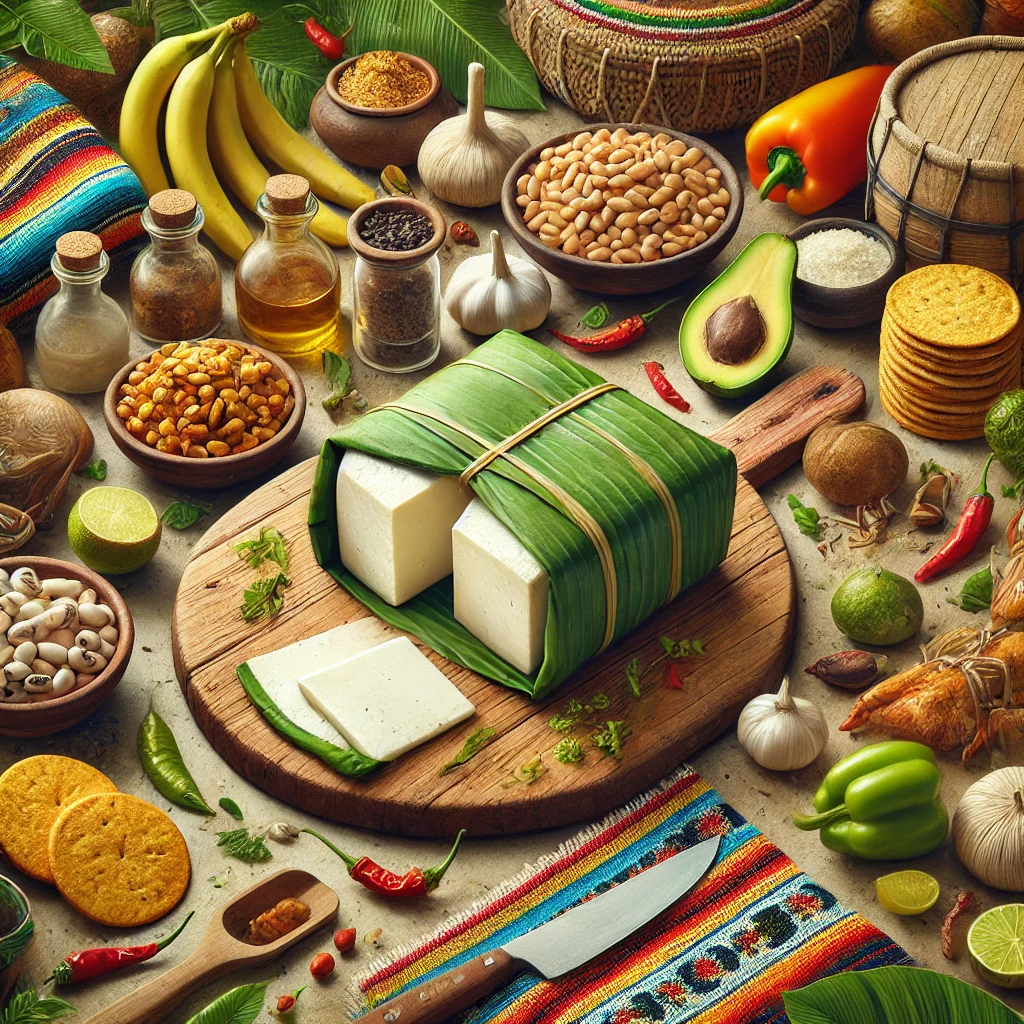
Queso de Hoja is a fresh, leaf-wrapped cow’s milk cheese produced in Belize’s countryside and coastal dairy zones. It is soft, slightly tangy, and mildly salty with a pliable, almost buttery feel.
Key Characteristics
| Feature | Description |
|---|---|
| Milk | primarily cow’s milk |
| Texture | soft, elastic, slightly moist |
| Flavor | mild, milky, hint of tang |
| Color | bright white to pale cream |
| Salt Level | low to moderate |
| Wrapping | tropical leaves (banana, plantain, or bijao) |
| Aging | none; eaten fresh |
The leaf wrapping lends light earthy, green aroma tones and acts as natural packaging in humid regions.
🌍 Origins in Belizean Countryside
Queso de Hoja is traditionally made in:
-
Cayo District
-
Stann Creek rural communities
-
Orange Walk dairy farms
-
Mennonite settlements producing small-batch milk goods
Belize’s humid forests and riverbank pasture systems create grass-rich milk. Many small dairy families produce cheese in early morning cycles before heat rises and bacteria develop.
This cheese represents:
-
local food autonomy
-
resourcefulness without refrigeration
-
tropical sustainability through biodegradable wrapping
🥣 Traditional Production Method
The process reflects Belize’s blend of Maya, Creole, and Mestizo dairy practices.
Steps
-
Fresh cow milk collected at sunrise.
-
Gentle heating—not boiling—to preserve fat texture.
-
Addition of coagulant (lemon juice, vinegar, or rennet).
-
Curds form, then cut into smooth segments.
-
Minimal pressing to retain moisture.
-
Light salting for microbial control.
-
Wrapped in pliable edible leaves (banana or bijao).
-
Sold or consumed within one to three days.
Leaf wrapping prevents:
-
drying
-
excess fermentation
-
external contamination
It also infuses subtle green, grassy scent.
🌿 Why Wrapped in Leaves?
Because Belize is tropical, storing fresh cheese without cold chain is difficult. Leaves:
-
maintain humidity
-
block insects
-
allow air breathing without sweating
-
provide antimicrobial compounds
Banana and bijao leaves are specifically chosen because they are:
-
waxy enough to form seals
-
flexible when steamed
-
culturally symbolic in traditional food presentations
🧂 Taste & Texture
Queso de Hoja is deliberately mild, making it one of Belize’s most adaptable dairy foods.
Flavor Notes
-
dairy sweetness
-
gentle tang
-
slight vegetal perfume from leaves
-
calming salt presence
Texture Notes
| Fresh | Day 1–2 | Day 3 |
|---|---|---|
| springy, soft | creamier, elastic | firmer, sharper tang |
When used right away, it melts softly into tortillas and stews; after two days it becomes more crumbly and flavorful.
🍽 How Belizeans Use Queso de Hoja
Traditional Pairings
| Dish | Method |
|---|---|
| Fry jacks | cheese tucked warm into fried dough |
| Corn tortillas | mashed cheese + beans + habanero |
| Rice and beans | mild dairy side to coconut rice |
| Stewed chicken | balances spices and gravy |
| Cassava bread | spread or sliced fresh |
Contemporary Uses
-
cheese empanadas
-
Belizean breakfast platters
-
melted on sweet plantains
-
salad crumbles with lime & cilantro
Because of its gentle nature, it softens intense flavors—hot pepper, coconut stews, smoked fish, cassava dishes.
🌎 Comparison with Other Wrapped Cheeses
| Cheese | Region | Similarity | Difference |
|---|---|---|---|
| Queso de Hoja | Belize | leaf-wrapped | milder, less salted |
| Queso de Hoja | Dominican Republic | same concept | Dominican version tangier |
| Oaxaca cheese | Mexico | stretchy | no leaf wrapping |
| Queso fresco | Latin America | fresh, white | Belizean variety more fragrant |
| Halloumi | Cyprus | firm | Belizean not grill-stable |
Belizean Queso de Hoja is uniquely defined by its leaf identity—not just flavor.
🧊 Storage & Shelf Life
Because it is fresh, storage demands precision.
Shelf Life
| Storage Form | Duration |
|---|---|
| leaf-wrapped | 2–4 days |
| refrigerated airtight | 4–6 days |
| frozen | not recommended |
Tips
-
never leave unwrapped on counter
-
do not soak in brine
-
avoid direct sunlight
If salt is gently increased, shelf life improves up to a week.
🥂 Best Pairings
Beverages
-
hibiscus tea (sorrel)
-
coconut water
-
light Belizean rum cocktails
-
lime-infused sparkling water
Fruits
-
papaya
-
mango
-
pineapple grilled
-
guava jam
Salt & sweetness make a natural contrast.
🌱 Cultural Value
Queso de Hoja represents:
-
dairy independence in tropical climates
-
biomass packaging vs plastic waste
-
intergenerational cheese teaching
-
smallholder cattle sustainability
Belize’s cheese artisans, often women and family units, continue techniques that predate refrigeration—transforming morning milk into lunch-market cheese.
⭐ Conclusion
Belizean Queso de Hoja is a fresh, rural, leaf-wrapped cheese emblematic of the country’s humid climate, cattle craft, and Caribbean-Mesoamerican identity. Mild, supple, vegetal, and beautifully local, it proves that cheese does not need aging caves or industrial brining to shine.
With farms producing daily batches and markets selling them within hours, this cheese embodies immediacy, terroir, and the green scent of Belize.
FAQs – Queso de Hoja (Belize)
1. Why is the cheese wrapped in leaves?
To preserve moisture, protect from heat, prevent drying, and add natural aroma.
2. Is Queso de Hoja very salty?
No, it is mildly salted to remain fresh and soft.
3. How long does it last?
2–4 days in leaf wrapping, up to 6 refrigerated.
4. Can it melt?
It softens rather than melts elastically.
5. What dishes best suit it?
Fry jacks, tortillas, stews, plantain dishes, and Belizean breakfast platters.