
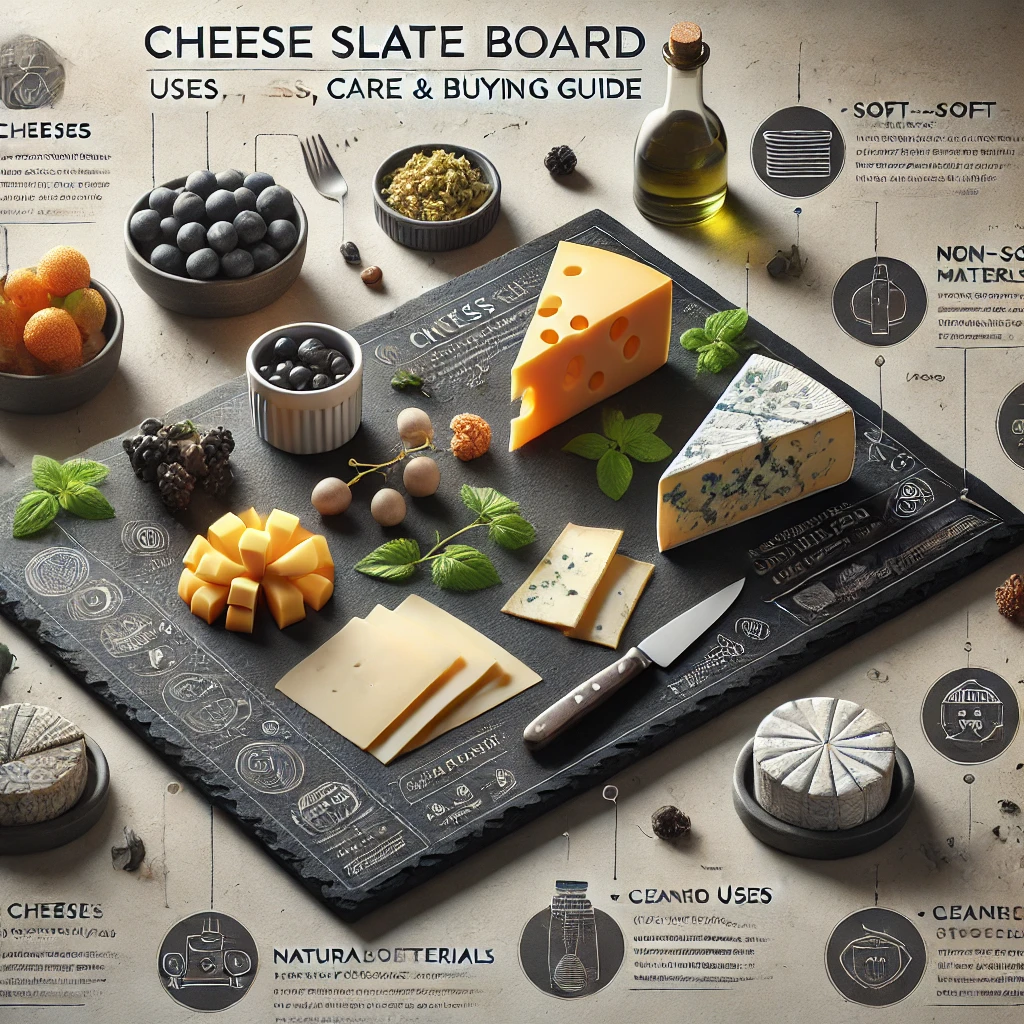
A beautifully arranged cheese board is more than a serving platter—it is an experience. For cheese lovers, entertainers, and culinary creatives, the cheese slate board has become an essential piece of serveware. Known for its rustic elegance, natural coolness, and durability, a slate board enhances both presentation and functionality. Whether you are hosting a dinner, running a restaurant, or curating social media–worthy cheese plates, understanding how to choose and care for a slate board can elevate your cheese service to a new level.
This comprehensive guide explores what a cheese slate board is, its uses, benefits, materials, care instructions, and the key features to consider when buying one. Written with clarity and SEO-optimized detail, this article is built to achieve strong readability and ranking performance.
🧀 What Is a Cheese Slate Board?
A cheese slate board is a flat serving surface made from natural slate stone, used for presenting cheeses, charcuterie, fruits, and appetizers. Its dark matte finish provides a beautiful contrast to colorful cheeses and garnishes, making it a favorite among professional chefs and home entertainers alike.
Why Slate Is Popular for Cheese Boards
-
naturally maintains a cool temperature
-
non-porous when sealed properly
-
visually stylish and modern
-
offers a smooth, textured surface ideal for slicing and arranging cheese
-
allows chalk labeling for personalization
Slate has been used for centuries in construction and kitchenware due to its durability and natural beauty. Today, it remains a premium choice for upscale serving boards.
🥂 Top Uses of a Cheese Slate Board
Cheese slate boards are versatile, functional, and suitable for a wide range of food presentations.
⭐ 1. Serving Cheese Varieties
The primary purpose of a slate board is to showcase cheeses such as:
-
Brie, Camembert, triple-creams
-
Cheddar, Gouda, and Alpine cheeses
-
Blue cheeses
-
Soft goat cheeses
-
Smoked and flavored cheeses
The dark slate enhances visual appeal while the cool surface helps maintain cheese texture.
⭐ 2. Charcuterie & Grazing Boards
Slate is ideal for:
-
cured meats
-
pâtés
-
olives
-
nuts
-
fruits (figs, berries, grapes)
-
crackers and artisanal breads
Its flat, sturdy design can support layered, artistic grazing patterns.
⭐ 3. Chalk Labeling for Events
One of slate’s most unique features is its writable surface. Hosts can label:
-
cheese names
-
dietary notes
-
flavor categories
-
wine pairings
This makes slate boards excellent for tastings, weddings, and wine nights.
⭐ 4. Restaurant & Catering Presentation
Hotels, chefs, and caterers favor slate boards for:
-
stylish plating
-
high-end à la carte service
-
appetizer flights
-
dessert pairings
The natural stone appearance complements modern and rustic décor themes.
⭐ 5. Everyday Home Serving
Slate boards can also be used for casual meals:
-
sandwiches
-
pastries
-
snacks
-
small breakfast assortments
Some owners even use them as kitchen décor when not in use.
🧱 Materials & Varieties of Slate Boards
Even though “slate” sounds straightforward, not all boards are created equal. Understanding material quality helps you pick a long-lasting product.
🖤 1. Natural Slate Boards
These boards are made from genuine slate stone sourced from mountains and quarries.
Pros:
-
strong and durable
-
elegant natural texture
-
retains cold temperature
-
unique patterns—no two boards are identical
Cons:
-
may require sealing
-
heavier than synthetic boards
⚙️ 2. Sealed Slate Boards (Food-Safe Coated)
Sealed boards come with a protective, food-safe coating that prevents:
-
staining
-
water absorption
-
odor retention
Perfect for frequent entertainers.
➤ 3. Synthetic or Composite Slate
Made from resin blends or stone composites.
Pros:
-
lighter weight
-
less prone to breakage
-
dishwasher safe in some cases
Cons:
-
lacks authentic texture
-
may not stay cool as well as natural slate
🪵 4. Slate + Wood Hybrid Boards
These boards combine slate with:
-
bamboo frames
-
acacia wood borders
-
marble accents
They offer both functionality and aesthetic versatility.
🧴 How to Care for a Cheese Slate Board
Proper care ensures your slate board lasts for years.
⭐ 1. Cleaning
Slate boards are easy to clean but require gentle methods.
Do:
-
wipe with mild soap and warm water
-
hand-wash only
-
dry with a soft cloth
-
sanitize with diluted vinegar or food-safe cleaner
Avoid:
-
dishwasher
-
harsh scrubbing pads
-
acidic soak
-
abrasive chemicals
⭐ 2. Seasoning or Oiling the Board
Much like cast iron, natural slate benefits from occasional conditioning.
To oil your slate board:
-
Clean and dry the board.
-
Rub a small amount of food-safe mineral oil.
-
Wipe off excess with a soft cloth.
This restores its natural shine and creates a moisture barrier.
⭐ 3. Storage Tips
To prolong your slate board’s life:
-
store upright or flat in a cushioned area
-
avoid banging or dropping (slate can chip)
-
keep away from extreme temperature changes
🔍 Buying Guide: How to Choose the Best Cheese Slate Board
Here are the essential factors to consider when selecting a cheese slate board.
✔ 1. Size & Shape
Slate boards come in many shapes:
-
rectangular
-
circular
-
square
-
irregular natural-edge
Choose size based on:
-
number of guests
-
types of cheeses you typically serve
-
storage space
For large gatherings, look for boards 14–18 inches wide.
✔ 2. Material Quality
High-quality slate should:
-
be thick and sturdy (6–10 mm is ideal)
-
have smooth edges
-
show natural grain patterns
-
be food-safe rated
Avoid overly brittle or very thin boards.
✔ 3. Additional Features
Modern slate boards offer useful upgrades:
-
non-slip feet (protects countertops and prevents sliding)
-
built-in handles
-
matching knives
-
chalk or chalk pens
-
wooden frames for easier carrying
✔ 4. Weight & Durability
Slate is naturally heavy, but balance is important:
-
heavier boards = more stability
-
lighter boards = easier handling
✔ 5. Price Range
Slate board prices vary widely based on size, craftsmanship, and material.
| Quality Level | Price |
|---|---|
| Basic small boards | $10–$25 |
| Medium natural slate | $25–$50 |
| Premium artisan boards | $50–$120 |
| Hybrid slate + marble/wood | $40–$150 |
🌿 Best Foods to Serve on a Slate Board
Add these items for a complete and visually stunning presentation:
Cheeses:
-
brie, camembert, and creamy cheeses
-
aged cheddar, gouda
-
blue stilton, gorgonzola
-
chèvre logs
Pairings:
-
figs, grapes, apples
-
honey or fig jam
-
roasted nuts
-
olives
-
crackers & baguette slices
Slate enhances color contrast, making your platter visually irresistible.
⭐ Conclusion
A cheese slate board is more than just a serving platter—it is a stylish, functional, and long-lasting addition to any kitchen or dining experience. Its natural cooling properties, elegant presentation, and versatility make it ideal for cheese lovers, entertainers, and culinary professionals.
By understanding the different materials, proper care techniques, and buying considerations, you can choose a board that suits your lifestyle and elevates your cheese presentations for years to come.
FAQs – Cheese Slate Board
1. Are slate boards safe for serving food?
Yes, food-safe slate boards are completely safe when sealed and cleaned properly.
2. Can I put a slate cheese board in the freezer?
Yes, briefly chilling the board helps keep cheese cool during serving.
3. Can slate boards go in the dishwasher?
No. Slate must be hand-washed to avoid damage.
4. How do I stop my slate board from scratching surfaces?
Choose boards with non-slip rubber feet or add felt pads underneath.
5. What size slate board is best for entertaining?
Medium-to-large boards (14–18 inches) are ideal for group gatherings.