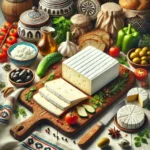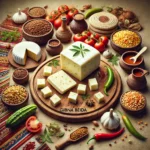
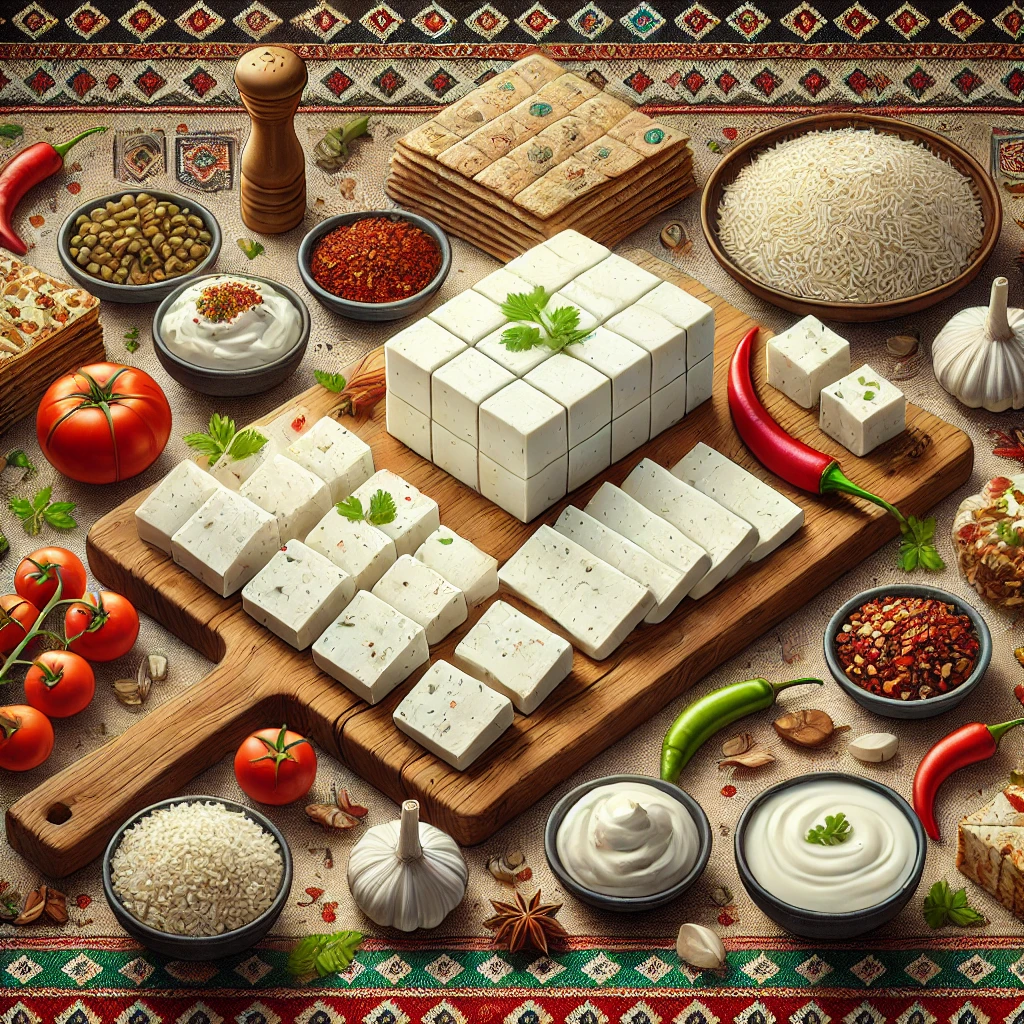
When people hear the word paneer, they often think of Indian cuisine. However, paneer also has deep roots in Afghanistan, where dairy culture has existed for centuries across nomadic Pashtun herders, village farms, and mountain grazing communities. Afghan paneer is not just a protein source—it is a product of geography, pastoralism, and culinary simplicity.
Mild, fresh, and crumbly, paneer in Afghanistan forms part of a cuisine shaped by wheat breads, rich stews, dried fruit, yogurt cultures, and fragrant spice blends. Among naan platters, kebabs, qorma dishes, and soft milk desserts, paneer stands quietly yet centrally as one of the region’s most adaptable food staples.
🧀 What Is Afghan Paneer?
Afghan paneer is a fresh, non-melting cheese made from cow’s or sheep’s milk and separated using either:
-
lemon juice
-
yogurt
-
vinegar
Unlike aged Middle Eastern cheeses or brined Balkan varieties, Afghan paneer is soft, white, and mild, designed for immediate consumption.
Key Characteristics
| Feature | Description |
|---|---|
| Texture | crumbly, soft, mildly elastic |
| Flavour | milk-fresh, delicate, slightly tangy |
| Salt | usually minimal |
| Aging | none (eaten fresh) |
| Aroma | clean, dairy-pure |
| Milk Source | cow, sheep, occasionally goat |
Afghan paneer avoids sharpness and salting, which makes it perfect for both savory and sweet preparations.
🏔 A Dairy Culture Rooted in Afghan Geography
Milk production in Afghanistan is shaped by its unique climatic zones:
-
Northern grasslands (Mazar, Balkh) → cow milk dominates
-
Central highlands (Bamyan, Ghazni) → mixed milk, sheep preferred
-
Khost, Paktia, Pashtun belt → pastoral herding, goat & sheep milk
Nomadic and semi-nomadic communities have practiced dairy production for centuries, making paneer one of the most accessible forms of preserved protein when refrigeration is limited.
Why Fresh Cheese Works in Afghanistan
-
no need for long aging chambers
-
easy village-level production
-
compatible with wheat-based cuisine
-
digestible in hot and cold climates
Paneer fits naturally into Afghan kitchens because it requires minimal infrastructure and maximum nourishment.
🥛 How Afghan Paneer Is Made
Though homemade paneer varies by village, the process remains simple.
Traditional Method
-
Heat Fresh Milk
Slowly warm raw cow or sheep milk. -
Add Coagulating Agent
Lemon juice, vinegar, or yogurt separates curds from whey. -
Strain
Curds are collected in cloth and hung for a few hours. -
Press
Pressure forms a block while retaining moisture. -
Cut or Crumble
Served fresh, often within the same day.
No salts. No brine barrels. No aging caves.
Just milk, heat, and time.
🍽 How Paneer Is Eaten in Afghanistan
Unlike Indian paneer—which often appears in rich curries—Afghan paneer is served simply, cleanly, and spontaneously.
Common Serving Styles
-
with flatbreads (naan, roghani, taftan)
-
crumbled over rice dishes
-
paired with honey for breakfast
-
mixed with dried fruits & nuts
Popular Dishes Featuring Paneer
| Dish | Role of Paneer |
|---|---|
| Bolani plates | dairy side to stuffed bread |
| Sheer Chai breakfast | sweet cheese complement |
| Kabuli Pulao | mild dairy contrast to spiced rice |
| Qorma stews | cooling balancing ingredient |
| Desserts (sheer khurma variants) | creamy sweet accent |
Afghan food is bold, rich, and slow-cooked. Paneer acts as a neutral, calming, balancing element.
🌶 Flavor Profile & Texture
Taste Notes
-
fresh milk
-
faint tang
-
buttery crumb
Texture Experience
-
sliceable but soft
-
crumbles under pressure
-
moist, not rubbery
This makes Afghan paneer comforting to eat alone but flexible enough to absorb spice, yogurt, or dried fruit.
🌍 Afghan Paneer vs. Global Paneer & Fresh Cheeses
| Cheese | Similarity | Difference |
|---|---|---|
| Indian Paneer | fresh curd, non-melting | Afghan paneer is milder & softer |
| Queso Fresco (LatAm) | crumbly white | Queso fresco is saltier |
| Feta | white block cheese | feta is aged & brined |
| Halloumi | non-melting | halloumi is firm & grillable |
| Farmer’s Cheese | mild curd | Afghan version is more moist |
Afghan paneer shares the fresh-cheese concept but remains distinct due to limited salting and rapid consumption.
🍷 Pairing & Serving Suggestions
Even though alcohol isn’t traditionally paired in Afghanistan, for international culinary use, paneer works beautifully with light beverages.
Afghan Pairings
-
green tea
-
sheer chai (milk tea)
-
ayran-style yogurt drinks
-
dried apricot juice (quince sharbat)
International Pairing Ideas
| Beverage | Why It Works |
|---|---|
| Sparkling water | cleans palate |
| Dry rosé | light acidity lifts dairy notes |
| Light lagers | crisp contrast |
| Herbal mint tea | matches Afghan flavor traditions |
🌱 Nutrition Profile
Per 100g (approx.):
| Nutrient | Value |
|---|---|
| Calories | 260–300 |
| Protein | high |
| Fat | moderate (higher with sheep milk) |
| Sodium | very low |
| Calcium | strong source |
Low salt + high protein = ideal for both traditional diets and modern healthy eating.
⭐ Final Overview
Afghan paneer is:
-
mild
-
unaged
-
artisanal
-
culturally central
-
designed for bread culture and balanced seasoning
It represents a dairy identity unaffected by European mold-ripening or Middle Eastern brining. Instead, paneer is shaped by:
-
nomadic mobility
-
fresh pasture milk
-
simplicity of rural kitchens
From Kabul chai houses to Kandahar bread stalls, paneer remains one of Afghanistan’s quiet culinary anchors.
FAQs — Afghan Paneer
1. Is Afghan paneer the same as Indian paneer?
They are similar, but Afghan paneer is softer, less salty, and more crumbly.
2. Does Afghan paneer melt?
No—it softens but does not stretch or melt.
3. What milk is used traditionally?
Cow and sheep milk are most common, sometimes blended.
4. How is Afghan paneer eaten?
With naan, honey, dried fruit, stews, and simple tea breakfasts.
5. Is it aged or salted?
It is fresh, unaged, and lightly salted or sometimes unsalted.