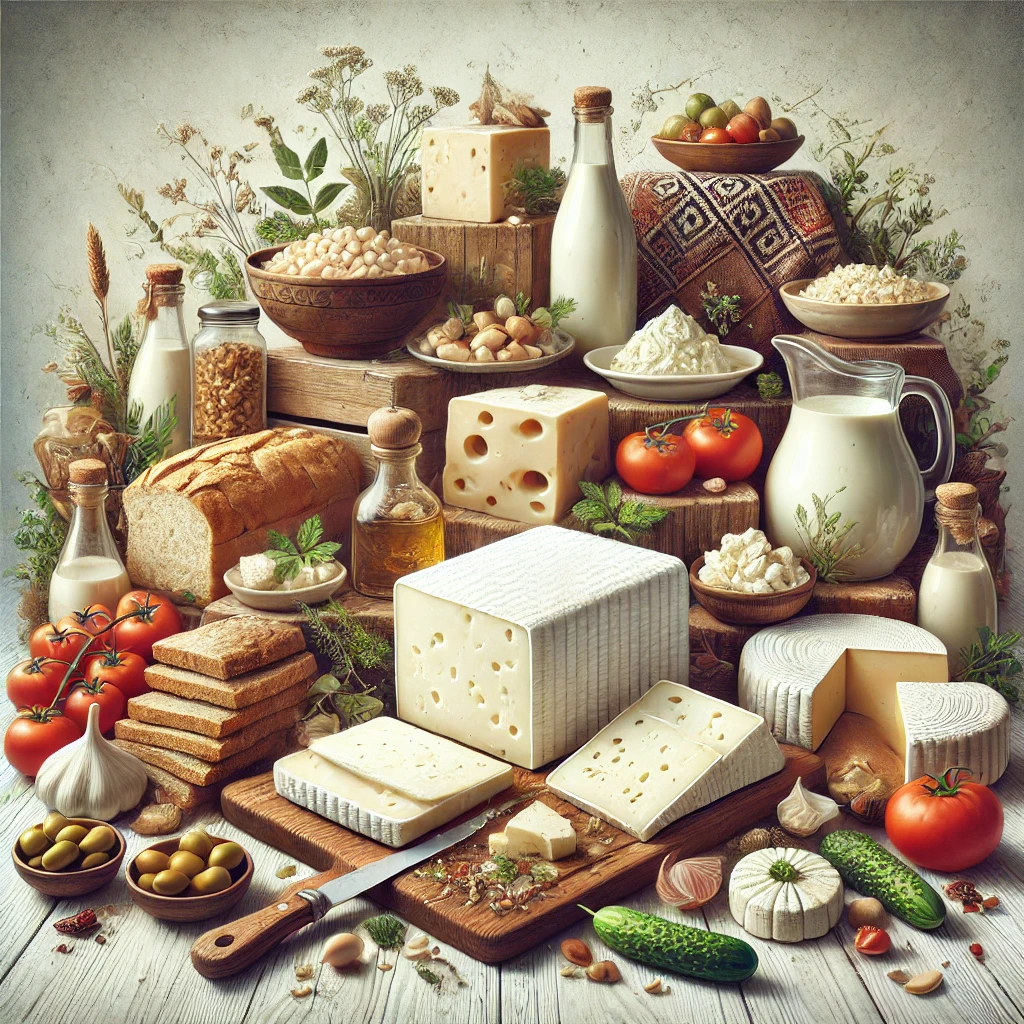
Albania’s culinary heritage is a fascinating blend of Mediterranean flavors, Balkan influences, and pastoral traditions shaped by centuries of dairy farming. Among its most cherished seasonal cheeses is Djath Veror, also known as Fromage d’Été or “summer cheese.” Light, fresh, and subtly tangy, this cheese is crafted during the warm months when milk production peaks and herds graze on lush mountain pastures.
Djath Veror captures the very essence of the Albanian summer—bright, clean, and full of natural richness. Made predominantly in rural highlands, this cheese has become a seasonal symbol of hospitality, family gatherings, and traditional home cooking. Whether enjoyed fresh, served with bread and vegetables, or used in local dishes, Djath Veror remains a celebrated part of Albania’s dairy culture.
This comprehensive guide explores the history, production methods, taste profile, culinary uses, pairings, and cultural significance of this beloved seasonal cheese.
🧀 What Is Djath Veror?
“Djath Veror” translates to “summer cheese,” reflecting its seasonal production period. It is a fresh to semi-fresh white cheese, generally made from:
-
cow’s milk
-
sheep’s milk
-
goat’s milk
-
or a traditional mixture of two or three
Its flavor and texture depend heavily on the milk source and the grazing conditions of the livestock, making it a cheese deeply connected to Albania’s landscape.
Key Characteristics
| Feature | Description |
|---|---|
| Type | Fresh or lightly aged cheese |
| Milk | Cow, goat, sheep, or mixed |
| Texture | Soft, crumbly or semi-firm |
| Flavor | Mild, tangy, clean, slightly salty |
| Color | Bright white |
| Season | Produced mainly in summer |
Djath Veror is highly perishable, meant to be eaten fresh or within a short time after production.
🌄 Origins & Cultural Significance
Cheesemaking has been part of Albanian rural life for thousands of years. Djath Veror, in particular, represents a seasonal tradition tied to the transhumance lifestyle, where herders move livestock to high mountain pastures during summer.
Why Djath Veror Is Important in Albania
-
produced during peak grazing season, when milk is sweetest
-
supports small farming communities
-
reflects ancestral dairy techniques
-
used in traditional summer meals and celebrations
Families often make the cheese at home or purchase it from local shepherds, maintaining a strong connection between community and food heritage.
🥛 How Djath Veror Is Made
The production method emphasizes freshness, simplicity, and minimal aging.
1. Milk Collection
Milk from pastured animals is gathered early in the morning when its fat and protein content are highest.
2. Gentle Heating
Milk is warmed slightly to activate natural enzymes.
3. Coagulation
Rennet or natural curdling agents (sometimes vinegar or yogurt starter) are added.
4. Cutting the Curds
Once set, curds are cut into small cubes to release whey.
5. Draining
Curds are poured into perforated molds or cloth bags, allowing liquid to drain naturally.
6. Light Pressing
Pressure is applied to achieve a soft but sliceable texture.
7. Salting
Cheese is salted lightly—unlike heavily brined Albanian winter cheeses.
8. Short Aging (Optional)
Some versions rest for 1–7 days to develop a firmer body.
The result is a delicately flavored cheese with a refreshing summer profile.
🧂 Taste & Texture Profile
Djath Veror is prized for its fresh aroma and mild flavor that complements a variety of dishes.
Flavor Notes
-
smooth and creamy
-
lightly tangy
-
subtly salty
-
hints of mountain herbs depending on milk source
Texture Notes
-
tender and soft
-
crumbly yet moist
-
slightly elastic when very fresh
Both goat and sheep milk versions have a richer, more pronounced tang, while cow’s milk versions are milder and creamier.
🍽 Culinary Uses in Albanian Cuisine
Djath Veror is incredibly versatile and appears in many traditional dishes, especially during summer months.
⭐ Common Uses
-
served with fresh tomatoes, cucumbers, and olives
-
eaten with warm bread or cornbread
-
crumbled over salads
-
added to byrek (Albanian savory pies)
-
paired with grilled vegetables
⭐ Breakfast & Light Meals
In many Albanian households, Djath Veror is a breakfast staple served with:
-
honey
-
jams
-
boiled eggs
-
cured meats
⭐ Modern Gastronomy
Chefs incorporate it in:
-
grilled cheese dishes
-
Mediterranean-inspired pastas
-
mezze platters
-
stuffed peppers or zucchini
Its mild profile makes it a great canvas for herbs, spices, and seasonal produce.
🌿 Best Pairings for Djath Veror
Its lightness and freshness pair beautifully with summer flavors.
Food Pairings
| Food | Why It Works |
|---|---|
| Tomatoes & basil | freshness complements creamy cheese |
| Olives | adds briny contrast |
| Honey | sweet-salty balance |
| Grilled eggplants | smoky notes enhance tang |
| Figs or melon | natural sweetness |
Wine & Beverage Pairings
-
crisp white wines (Riesling, Sauvignon Blanc)
-
rosé
-
light red wines (Pinot Noir)
-
raki for traditional pairings
-
herbal teas
Choose refreshing beverages to highlight the cheese’s delicate flavor.
🧊 Storage & Shelf Life
Because Djath Veror is a fresh cheese, it must be stored properly.
Storage Tips
-
keep refrigerated in airtight containers
-
store in light brine for longer shelf life
-
avoid freezing (destroys texture)
Shelf Life
| Type | Duration |
|---|---|
| Fresh | 3–5 days |
| Lightly aged | 5–10 days |
| Brined | up to 2 weeks |
Consume quickly to enjoy its signature freshness.
🌍 Djath Veror vs Other Albanian Cheeses
| Cheese | Texture | Saltiness | Season |
|---|---|---|---|
| Djath Veror | soft, fresh | low salt | summer |
| Djath i Bardhë | firmer | high salt | year-round |
| Kaçkavall | semi-hard | moderate | year-round |
| Djath Gijot | aged, tangy | moderate-high | produced in highlands |
Djath Veror stands out as Albania’s most refreshing and delicate seasonal cheese.
⭐ Cultural and Seasonal Importance
Djath Veror is deeply connected to:
-
summer harvests
-
family gatherings
-
shepherding traditions
-
artisanal village production
Its seasonal nature makes it a symbol of abundance and the natural rhythm of rural Albanian life.
⭐ Conclusion
Djath Veror (Fromage d’Été) is a shining example of Albania’s pastoral and culinary heritage. Fresh, delicate, and deeply tied to the rhythms of summer, it represents the simplicity and generosity of rural Albanian cooking. Whether served with vegetables, incorporated into traditional dishes, or enjoyed on its own, Djath Veror remains a seasonal treasure worth celebrating.
As interest in global artisanal cheeses grows, Djath Veror stands as a reminder that some of the most memorable flavors come from the humblest of traditions—crafted by hand, shaped by landscape, and enjoyed in community.
FAQs – Djath Veror (Fromage d’Été)
1. What milk is used to make Djath Veror?
It is typically made from cow, goat, sheep, or mixed milk depending on the region.
2. Is Djath Veror salty?
Only lightly salted—much less than Albania’s winter cheeses.
3. How is Djath Veror traditionally eaten?
With tomatoes, cucumbers, olives, bread, or inside byrek.
4. Can Djath Veror be grilled?
Yes, lightly grilled versions develop a soft crust without melting completely.
5. Why is it called “summer cheese”?
Because it is made during the summer months when milk production is highest and freshest.