
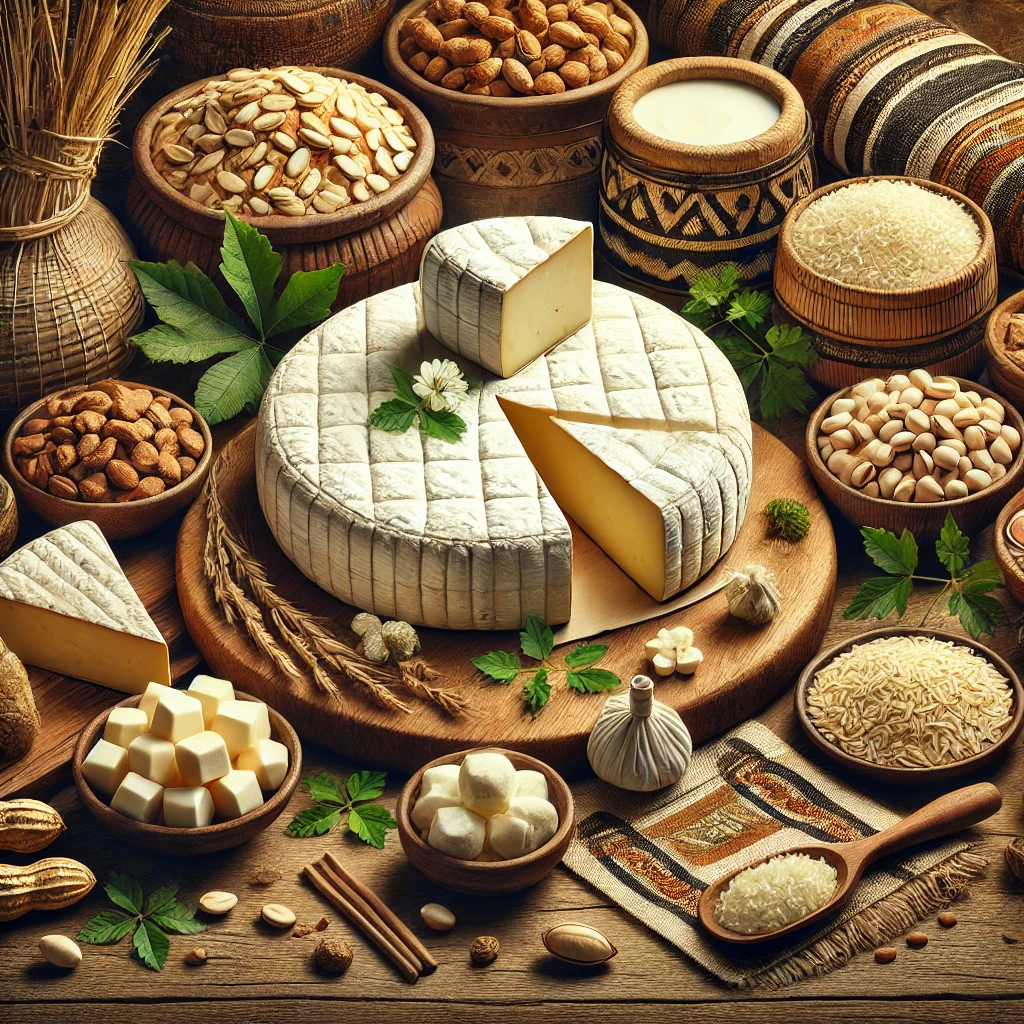
When people think of cheese, West Africa rarely comes to mind. Yet in rural parts of Liberia, small-scale dairy traditions exist that are deeply rooted in daily life. Farmhouse cheese from Liberia is not a commercial product or a standardized cheese with a protected name. Instead, it represents a home-based, traditional way of turning fresh milk into nourishing food, shaped by climate, resources, and community knowledge.
This cheese is made in villages and farming households where milk is available in modest amounts. It reflects practicality rather than luxury, offering protein and sustenance while preserving cultural foodways. In this comprehensive guide, we explore Liberian farmhouse cheese—its origins, preparation, taste, uses, and why it remains an important expression of tradition.
Dairy and Farming Life in Liberia
Liberia’s landscape includes forests, savannas, and agricultural communities where mixed farming is common. While fishing and crop cultivation dominate the national diet, livestock such as cattle, goats, and sheep play a supportive role, particularly in inland and rural areas.
Milk production in Liberia is:
-
Small-scale and seasonal
-
Primarily for household use
-
Rarely industrial or commercial
Farmhouse cheese emerged as a practical response to short-term milk abundance, allowing families to transform fresh milk into a food that could be shared and enjoyed over several days.
What Is Liberian Farmhouse Cheese?
Liberian farmhouse cheese is best described as a fresh or lightly preserved cheese made using simple methods. It is not aged in the European sense and is typically consumed soon after production.
Key characteristics include:
-
Made from cow’s or goat’s milk
-
Soft to semi-firm texture
-
Mild, lightly salty flavor
-
Minimal processing
Because there is no single recipe, the cheese varies from household to household, reflecting local conditions and personal knowledge.
Historical Roots of Farmhouse Cheesemaking in Liberia
Cheesemaking knowledge in Liberia developed through:
-
Indigenous experimentation with milk preservation
-
Influence from neighboring West African pastoral cultures
-
Practical adaptation rather than formal training
Without refrigeration, rural households relied on heat, acidification, salting, and draining to safely handle milk. Cheesemaking became an extension of daily food preparation rather than a specialized craft.
Traditional Production Methods
Milk Collection
Fresh milk is collected by hand, usually from cows or goats raised by the household or community. Clean handling is essential, as the cheese depends on natural processes.
Coagulation
Milk is gently heated and curdled using:
-
Natural acidic agents (such as sour whey or plant extracts)
-
Or spontaneous fermentation
Commercial rennet is rarely used in traditional settings.
Draining
Curds are placed in cloth, woven baskets, or simple containers to drain whey. Pressing is light, resulting in a soft structure.
Salting
Salt may be added lightly to improve flavor and slow spoilage.
Fresh Consumption
The cheese is usually eaten within one to three days, sometimes the same day it is made.
Taste and Texture Profile
Liberian farmhouse cheese is valued for its simplicity and nourishment:
-
Flavor: Mild, milky, gently tangy
-
Aroma: Fresh dairy, clean and natural
-
Texture: Soft to semi-firm, slightly crumbly
-
Finish: Light, savory, and comforting
It is not sharp or aged, making it suitable for all ages.
How Farmhouse Cheese Is Eaten in Liberia
With Staple Foods
The cheese is commonly eaten alongside:
-
Rice
-
Cassava-based dishes
-
Boiled yams or plantains
It adds protein and richness to otherwise plant-heavy meals.
In Simple Cooking
Farmhouse cheese may be lightly warmed or added to hot dishes, where it softens without fully melting.
As a Shared Food
Cheese is often shared within families or among neighbors, reinforcing social bonds.
With Sauces and Stews
Small pieces of cheese may be eaten with vegetable or palm-oil-based stews.
Local Pairings and Accompaniments
Rather than formal pairings, Liberian farmhouse cheese complements everyday foods:
-
Grains: Rice, maize
-
Roots: Cassava, yam
-
Vegetables: Greens, okra
-
Condiments: Light chili sauces, fermented seasonings
-
Drinks: Water, herbal infusions
These combinations emphasize nourishment and balance.
Farmhouse Cheese vs Imported Cheeses
| Feature | Liberian Farmhouse Cheese | Imported Cheese |
|---|---|---|
| Production | Home-based | Industrial |
| Texture | Soft | Firm to hard |
| Aging | None | Short to long |
| Availability | Local | Imported |
| Cultural role | Daily nourishment | Occasional |
Farmhouse cheese serves a very different purpose from imported dairy products.
Nutritional Value
Liberian farmhouse cheese provides:
-
Protein for muscle and energy
-
Calcium for bone health
-
Natural dairy fats
Because it is minimally processed, it retains much of milk’s original nutrition.
Cultural Significance
Farmhouse cheese in Liberia represents self-reliance and continuity. It is not produced for prestige or profit but for family well-being. Cheesemaking knowledge is passed orally—through observation and participation—rather than written recipes.
This tradition reflects a broader Liberian food philosophy: use what is available, waste nothing, and feed the community.
Modern Changes and Challenges
Several factors threaten the continuation of farmhouse cheesemaking:
-
Urbanization and dietary shifts
-
Limited access to livestock in cities
-
Preference for imported foods
However, renewed interest in local food traditions and sustainable agriculture offers hope for preservation.
Why Liberian Farmhouse Cheese Matters
In a global food system focused on branding and export, Liberian farmhouse cheese reminds us that food heritage can be local, quiet, and deeply meaningful. Its value lies not in international recognition, but in daily nourishment and cultural identity.
For food historians and curious eaters, it offers insight into West Africa’s understated dairy practices.
Preserving the Tradition
Supporting rural farmers, documenting indigenous food knowledge, and valuing traditional diets are key to keeping farmhouse cheese traditions alive in Liberia.
Conclusion
Farmhouse cheese from Liberia is a humble but powerful expression of tradition. Soft, mild, and nourishing, it reflects generations of adaptation to climate, resources, and community needs.
Though rarely seen beyond rural areas, this cheese tells an important story—one of resilience, care, and cultural continuity. Appreciating Liberian farmhouse cheese means recognizing that some of the world’s most meaningful foods are not defined by labels, but by the lives they sustain.
FAQ: Farmhouse Cheese from Liberia
What is Liberian farmhouse cheese?
It is a traditional, home-made fresh cheese produced in rural Liberian communities.
What milk is used to make it?
Mostly cow’s or goat’s milk, depending on local availability.
What does it taste like?
Mild, milky, slightly tangy, and lightly savory.
How is it traditionally eaten?
With rice, cassava, yams, vegetables, or simple stews.
Is Liberian farmhouse cheese sold commercially?
No, it is mostly homemade and rarely found in formal markets.