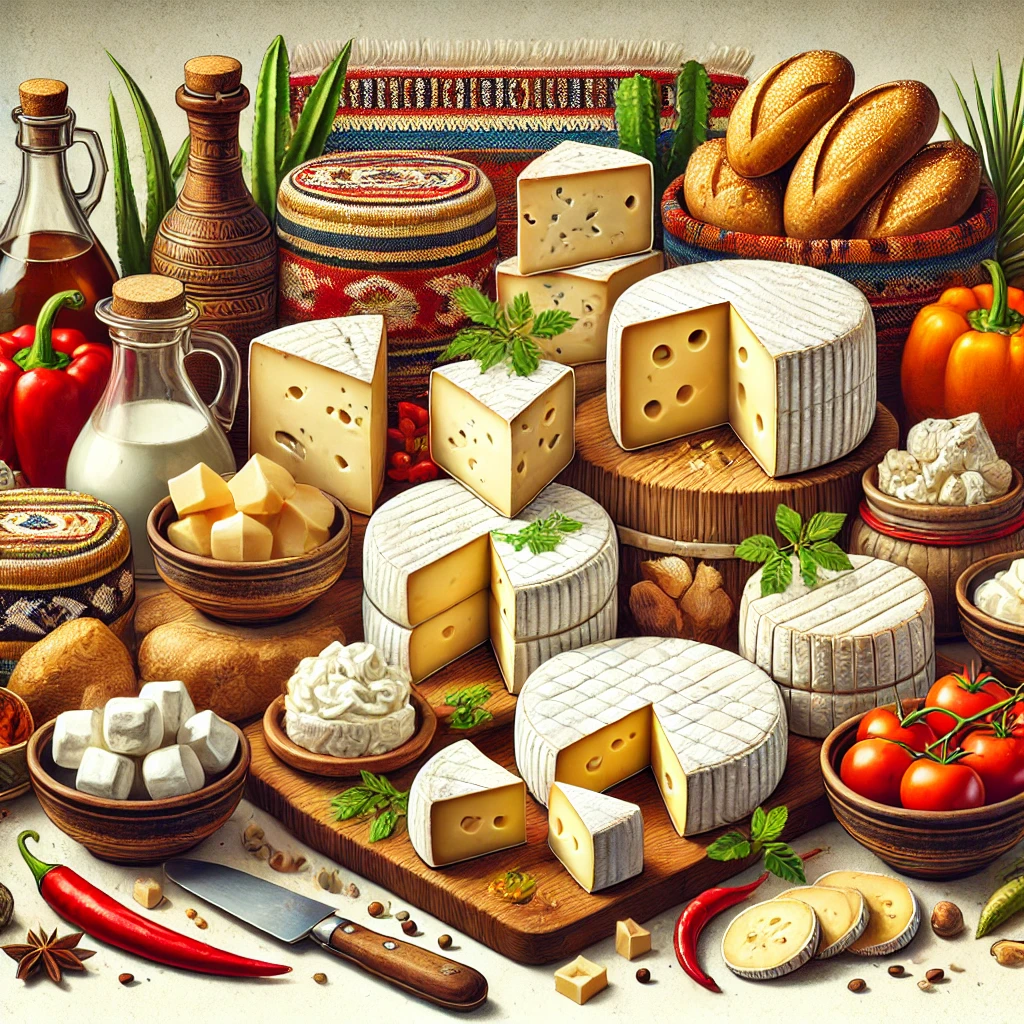
Haiti’s culinary identity is rooted in resilience, creativity, and the rich agricultural traditions of its people. While the country is most widely known for its flavorful dishes like griot, tassot, and pikliz, it also possesses a lesser-known but culturally important dairy tradition: fromage de lait de chèvre, or Haitian goat cheese.
Although Haiti is not traditionally considered a major cheese-producing nation, rural communities—especially in mountainous regions—have long relied on goats as a primary source of milk. From this milk, families produce various forms of fresh and semi-firm cheeses that reflect local taste preferences, resourcefulness, and cultural heritage.
This guide offers a deep look into the origins, production methods, varieties, taste profiles, uses, pairings, and cultural significance of Haitian goat cheese. Whether you’re a food enthusiast, a cheese collector, or simply curious about Caribbean dairy traditions, this article provides a comprehensive introduction to Haiti’s remarkable fromage de lait de chèvre.
🧀 What Is Fromage de Lait de Chèvre in Haiti?
Fromage de lait de chèvre refers to cheeses produced using fresh goat milk in rural Haitian communities. These cheeses are typically:
-
fresh or lightly aged,
-
mild to tangy,
-
handmade, and
-
crafted in small batches.
Goat cheese is prized in Haiti due to the adaptability of goats, which thrive even in challenging climates and terrains. As a result, goat milk is often more accessible than cow milk in many parts of the country.
Key Characteristics
| Feature | Description |
|---|---|
| Milk | 100% goat milk |
| Texture | Fresh, soft, crumbly, or semi-firm |
| Flavor | Tangy, mildly salty, earthy |
| Color | Bright white |
| Production | Small-scale, artisanal |
| Uses | Cooking, spreads, sauces, frying |
These cheeses bear similarities to fresh goat cheeses in Africa and the Mediterranean, yet they retain a uniquely Haitian character shaped by local ingredients and culinary practices.
🌄 Origins & Cultural Significance
In Haiti, cheese-making is strongly tied to rural resilience and sustainable living. Communities in mountainous areas such as Artibonite, Centre, Nord, and Sud-Est regions depend heavily on small-scale goat farming.
Cultural Importance
-
Food preservation: Cheese allows families to store milk in a more durable form.
-
Economic value: Goat cheese is sold in local markets, providing income for rural families.
-
Culinary tradition: Though simple, these cheeses appear in many household dishes.
-
Community identity: Cheese-making techniques are passed down through generations.
Like many Haitian traditions, goat cheesemaking blends practicality with cultural pride, making fromage de lait de chèvre an important part of local gastronomy.
🥛 How Haitian Goat Cheese Is Made
The production process is often rustic and hands-on, relying on natural acidity and minimal equipment.
1. Fresh Milk Collection
Goat milk is collected in small quantities daily. Freshness is key to good cheese-making.
2. Heating the Milk
The milk is gently warmed to encourage coagulation.
3. Curdling Process
Traditional curdling agents may include:
-
lemon juice,
-
vinegar,
-
soured milk,
-
or natural fermentation.
This creates soft white curds.
4. Straining the Curds
The curds are poured into:
-
cloth bags,
-
homemade perforated molds,
-
or baskets.
They drain until semi-firm.
5. Pressing
Light pressure removes additional whey and shapes the cheese.
6. Salting
A small amount of salt is added for flavor and preservation.
7. Optional Aging or Drying
Some cheeses are consumed immediately, while others are sun-dried for a stronger taste and firmer texture.
The result is a cheese crafted from pure goat milk and traditional hands-on techniques.
🌿 Varieties of Haitian Goat Cheese
Haiti does not have standardized cheese categories, but rural practices have created several distinctive styles. Here are the most common varieties:
⭐ 1. Fresh Haitian Goat Cheese (Fromage Frais)
-
Soft and spreadable
-
Mild acidity
-
Eaten with bread or cassava
-
Used to enrich sauces or dips
⭐ 2. Crumbly Goat Cheese
-
Drier and more grainy
-
Often used in salads
-
Added to hot dishes where it softens but does not fully melt
⭐ 3. Semi-Firm Sun-Dried Goat Cheese
-
Firmer texture
-
Stronger flavor
-
Often grated or sliced
-
Suitable for frying or grilling
⭐ 4. Herbed Goat Cheese (Localized Variants)
Some communities mix cheese with:
-
fresh herbs
-
garlic
-
pepper
-
thyme
These cheeses are flavorful and ideal for spreading.
⭐ 5. Market-Style Goat Cheese Wheels
Small circular cheeses sold in rural markets, sometimes wrapped in banana leaves to preserve freshness and shape.
🧂 Taste & Texture Profile
Haitian goat cheese has a flavor profile rooted in the natural diet and environment of local goats.
Flavor Notes
-
tangy and slightly acidic
-
earthy, reflecting the natural grazing of goats
-
mildly salty
-
deeper and sharper when dried
Texture Notes
-
fresh: soft, creamy
-
crumbly: delicate, gritty
-
dried: firm, chewy, sometimes slightly flaky
The combination of freshness and simplicity gives Haitian goat cheese a clean, honest taste.
🍽 Culinary Uses in Haitian Cuisine
Despite being lesser known, goat cheese plays an exciting role in various Haitian dishes.
⭐ Traditional Uses
1. Spreads for Bread and Cassava (Kasav)
Fresh goat cheese is spread on:
-
warm bread
-
cassava flatbreads
-
crackers
A touch of honey or sugar creates a delightful sweet-salty pairing.
2. Sauces and Dips
It enriches:
-
creamy sauces for vegetables
-
fish preparations
-
spicy dips
3. Stuffed Vegetables
Cheese is used in:
-
stuffed peppers
-
tomato-based dishes
4. Fried Goat Cheese
Dried varieties are fried for a crispy outside and soft interior, similar to halloumi.
5. Market Snacks
In rural markets, cheese is often eaten fresh as a simple, nutritious snack.
⭐ Modern & International Uses
-
goat cheese salads
-
omelets
-
pasta dishes
-
goat cheese croquettes
-
sandwiches and wraps
Its mild tang works beautifully in both traditional and contemporary recipes.
🥂 Pairings for Haitian Goat Cheese
Food Pairings
| Food | Why It Works |
|---|---|
| Honey | complements tangy cheese with sweetness |
| Mango & tropical fruits | acidity + sweetness balance goat flavor |
| Avocado | creamy contrast |
| Tomatoes | enhances freshness |
| Plantains | sweet-savory harmony |
Beverage Pairings
-
Haitian coffee
-
ginger tea
-
light rum cocktails
-
citrus-infused water
-
crisp white wines
Refreshing drinks highlight the cheese’s bright, tangy notes.
🧊 Storage & Shelf Life
Because Haitian goat cheese is typically fresh, it must be stored properly.
Storage Tips
-
refrigerate immediately
-
wrap in breathable cloth or parchment
-
keep fresh cheese separate from strong odors
-
dried cheese can be stored in a cool, dry space
Shelf Life
| Type | Duration |
|---|---|
| Fresh cheese | 2–3 days refrigerated |
| Dried cheese | 1–2 weeks |
| Salted cheese | up to 3 weeks |
To enjoy the best flavor, consume fresh versions promptly.
🌍 Haitian Goat Cheese vs Other Regional Cheeses
| Cheese | Region | Similarity | Difference |
|---|---|---|---|
| Wagashi | West Africa | fresh, handmade | wagashi is firmer |
| Queso fresco | Latin America | mild & crumbly | goat flavor distinguishes Haitian cheese |
| Chèvre | France | goat cheese | French chèvre is often more aged and complex |
| Halloumi | Cyprus | can be fried | halloumi is saltier and more elastic |
Haitian goat cheese offers a tropical and rustic expression of traditional goat cheesemaking.
⭐ Cultural Importance
Fromage de lait de chèvre symbolizes:
-
resourcefulness of rural Haitian families
-
preservation of local milk resources
-
intergenerational food knowledge
-
the blending of African, Caribbean, and modern influences
Cheesemaking also empowers women in rural communities who often oversee dairy production and market sales.
⭐ Conclusion
Fromage de lait de chèvre is a shining example of Haiti’s culinary resilience—simple, delicious, and deeply rooted in tradition. Whether enjoyed fresh with cassava, fried until golden, or used in flavorful sauces, Haitian goat cheese reflects the country’s diversity, creativity, and rich agricultural heritage.
As international interest in traditional cheeses continues to grow, Haitian goat cheese stands ready to be recognized as a distinctive and valuable dairy specialty.
FAQs – Haitian Goat Cheese
1. What is Haitian goat cheese made from?
It is made from fresh goat milk, traditionally processed by rural communities.
2. Is Haitian goat cheese similar to chèvre?
Yes, but it is usually fresher, less aged, and more rustic in flavor.
3. How is it eaten?
As spreads, fried snacks, in sauces, or paired with cassava and bread.
4. Does it melt?
Most versions soften but do not melt completely, especially dried varieties.
5. Where can I buy Haitian goat cheese?
Primarily in local Haitian markets or from small village producers.