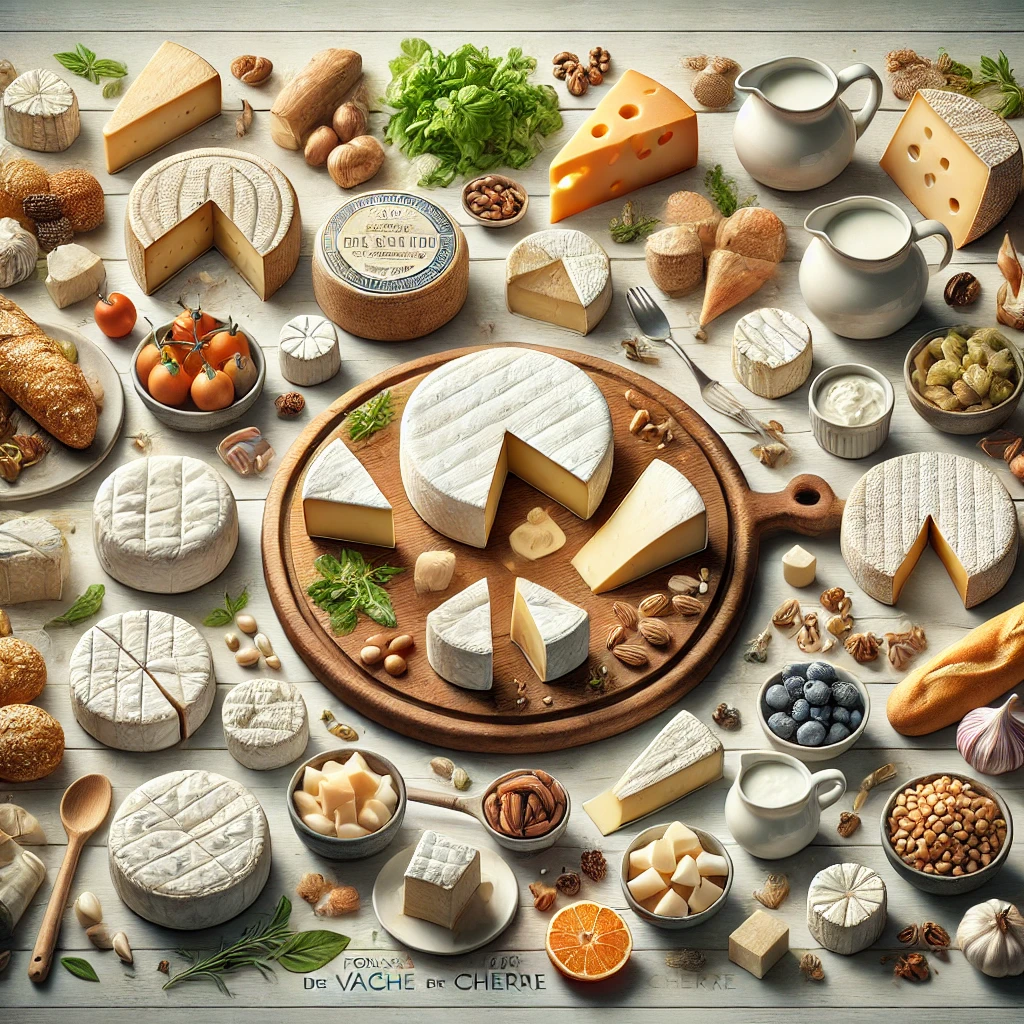
In the world of cheese, each region and culture offers its own interpretation of dairy craftsmanship. Among the most versatile and flavor-rich cheeses are those made from a blend of cow’s milk and goat’s milk—known in French as fromage de lait de vache et chèvre. These mixed-milk cheeses bring together the best of both worlds: the creamy sweetness of cow’s milk and the bright, tangy complexity of goat’s milk.
Found in numerous culinary traditions—from rural farms in Europe to artisanal dairies in Africa, the Middle East, and Latin America—mixed-milk cheeses have a rich identity shaped by local climate, milk availability, and cheese-making heritage. Their unique properties make them stand out in both traditional cuisine and modern gastronomy.
This comprehensive guide explores their origins, taste profile, nutritional value, production methods, varieties, culinary uses, pairings, and storage tips. Whether you’re a cheese enthusiast, chef, or food blogger, this article will help you understand why mixed-milk cheeses deserve a spotlight on the global stage.
🧀 What Is Fromage de Lait de Vache et Chèvre?
Fromage de lait de vache et chèvre refers to cheeses produced using a blend of cow’s milk and goat’s milk, often in various proportions depending on:
-
flavor preference,
-
regional milk availability,
-
and desired texture or aging style.
The mixture creates cheeses with distinctive characteristics that differ from pure cow or goat cheeses.
Key Characteristics
| Feature | Description |
|---|---|
| Milk | Blend of cow and goat milk |
| Texture | Soft, semi-soft, semi-hard, or hard |
| Flavor | Creamy, tangy, mildly sweet, aromatic |
| Color | White to pale yellow |
| Aging | Fresh to long-aged |
| Uses | Cooking, snacking, baking, salads |
Mixed-milk cheeses appear in many forms—fresh crumbles, creamy spreads, semi-firm blocks, or aged wheels with robust flavor.
🌄 Origins & Cultural Background
Cheesemakers around the world have long blended cow and goat milk to enhance flavor, improve texture, or compensate for seasonal milk shortages. This practice is especially common in regions where:
-
goats are more adapted to mountainous or arid climates,
-
cows provide abundant milk during rainy seasons,
-
artisanal cheese production relies on natural grazing and small herds.
Examples include:
-
Mediterranean countries like Greece, Turkey, and Italy
-
Balkan and Caucasus regions
-
North and West Africa
-
Caribbean and Latin American communities
Mixed-milk cheeses often bridge the sensory gap between the mild familiarity of cow cheese and the distinctive brightness of goat milk, making them appealing to a broader audience.
🥛 How Mixed Cow–Goat Cheese Is Made
While production varies by style, several universal steps define the process.
1. Milk Selection & Proportioning
Cheesemakers choose ratios such as:
-
70% cow / 30% goat,
-
50% cow / 50% goat,
-
or even 80% goat / 20% cow depending on the desired taste.
2. Heating the Milk
Milk is warmed gently to encourage bacterial activity.
3. Adding Starter Cultures
Cultures determine acidity, flavor, and texture.
4. Coagulation
Rennet or acidic agents are added to form curds.
5. Cutting the Curds
Curds are sliced to release whey and influence density.
6. Draining & Pressing
Curds are drained through molds, cloth, or baskets.
7. Salting
Salt is applied via brine or dry rubbing.
8. Aging (Optional)
Fresh cheeses are ready immediately, while others mature for weeks or months.
The blending of milks requires finesse—slight changes in proportion can dramatically alter aroma, texture, and finish.
🧂 Taste & Texture Profile
Combining cow and goat milk results in cheeses with layers of flavor and a distinctive mouthfeel.
Flavor Notes
-
mild sweetness from cow milk
-
tanginess and aromatic sharpness from goat milk
-
grassy or earthy undertones
-
slight acidity that cleans the palate
Texture Notes
-
fresh versions: soft, moist, spreadable
-
semi-soft: elastic and creamy
-
aged varieties: dense, firm, sometimes crumbly
The balance of milks creates cheeses that are more complex than pure cow cheese yet gentler than pure goat cheese.
🌍 Popular Varieties of Mixed Cow–Goat Cheeses
While each region has local specialties, several categories are recognizable worldwide:
⭐ 1. Fresh Mixed-Milk Cheese
-
soft and spreadable
-
lightly tangy
-
used on bread, salads, and breakfast dishes
⭐ 2. Semi-Fresh (Brined) Cheeses
-
slightly firmer
-
stored in light brine
-
similar to feta but milder
⭐ 3. Semi-Hard Mixed-Milk Cheese
-
usually aged for several weeks
-
rich, buttery texture
-
used for grating, slicing, or melting
⭐ 4. Aged Artisanal Wheels
-
robust flavor
-
nutty and aromatic
-
excellent for cheese boards
⭐ 5. Herbed or Spiced Cheeses
Flavored with:
-
thyme
-
rosemary
-
garlic
-
pepper
-
smoked paprika
These are ideal for cooking and snacking.
🍽 Culinary Uses
Mixed-milk cheeses are incredibly versatile due to their balanced flavor and melt-friendly properties.
⭐ Traditional Uses
-
crumbled over salads
-
served with olives, bread, and tomatoes
-
used in savory pastries
-
mixed into omelets and scrambles
-
sliced for breakfast platters
⭐ Modern & Fusion Uses
-
topping for pizzas and flatbreads
-
filling for pastas and ravioli
-
ingredient in gourmet burgers
-
paired with grilled vegetables
-
featured on cheese boards with fruit and nuts
Whether fresh or aged, these cheeses elevate everyday meals.
🥂 Pairings for Mixed Cow–Goat Cheeses
Food Pairings
| Food | Why It Works |
|---|---|
| Honey | enhances tangy-sweet contrast |
| Figs & grapes | complement creamy textures |
| Olives | bring a savory balance |
| Tomatoes & herbs | brighten flavors |
| Cured meats | contrast richness with saltiness |
Beverage Pairings
-
crisp white wines (Sauvignon Blanc, Pinot Grigio)
-
rosé wines
-
light red wines
-
herbal teas
-
citrus-infused drinks
These beverages help highlight the cheese’s freshness and subtle acidity.
🧊 Storage & Shelf Life
Proper storage ensures the cheese retains its flavor and quality.
Storage Tips
-
wrap semi-hard varieties in cheese paper
-
refrigerate fresh cheeses in airtight or semi-airtight containers
-
avoid freezing (affects texture)
-
store brined cheeses in their liquid
Shelf Life
| Type | Duration |
|---|---|
| Fresh mixed-milk cheese | 3–5 days |
| Semi-soft | 1–2 weeks |
| Aged cheese | 1–3 months |
Fresh cheeses are best consumed quickly, while aged varieties last longer with proper care.
🌿 Nutritional Benefits
Mixed-milk cheeses combine the strengths of both cow and goat milk.
Nutritional Highlights
-
high-quality protein
-
calcium and phosphorus
-
beneficial fatty acids
-
easier digestion compared to pure cow cheese (thanks to goat milk)
-
rich in vitamins A, B2, and B12
Goat milk’s smaller fat globules can make these cheeses more gut-friendly.
⭐ Mixed Milk Cheese vs Cow or Goat Cheese Alone
| Feature | Cow Milk Cheese | Goat Milk Cheese | Mixed-Milk Cheese |
|---|---|---|---|
| Flavor | mild, sweet | tangy, aromatic | balanced, complex |
| Texture | creamy | firmer | depends on ratio |
| Digestibility | moderate | easier | improved |
| Versatility | high | moderate | very high |
Mixed-milk cheeses offer the best compromise between approachability and flavor depth.
⭐ Conclusion
Fromage de lait de vache et chèvre is an exceptional category of cheese that blends creaminess with character, tradition with innovation, and simplicity with complexity. Whether enjoyed fresh on bread, melted into hearty dishes, or savored as an aged delicacy, these cheeses demonstrate the remarkable potential of combining cow and goat milk.
Artisanal producers around the world continue to refine and innovate within this category, creating cheeses that reflect regional identity, natural terroir, and generations of knowledge. As global interest in authentic dairy experiences grows, mixed-milk cheeses are earning a well-deserved place in modern gastronomy.
FAQs – Fromage de Lait de Vache et Chèvre
1. What makes mixed cow–goat cheese unique?
Its blend of creamy sweetness and tangy complexity creates a balanced, versatile flavor.
2. Is it easier to digest than cow milk cheese?
Yes—goat milk improves digestibility due to smaller fat globules.
3. Can mixed-milk cheese be used for melting?
Many semi-soft varieties melt beautifully, perfect for cooking.
4. What is the best ratio of cow to goat milk?
Common ratios include 70/30 or 50/50, depending on desired strength of goat flavor.
5. How should fresh mixed-milk cheese be stored?
Refrigerate in an airtight container and consume within a few days.