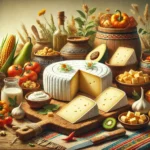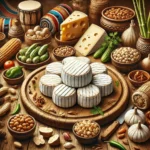
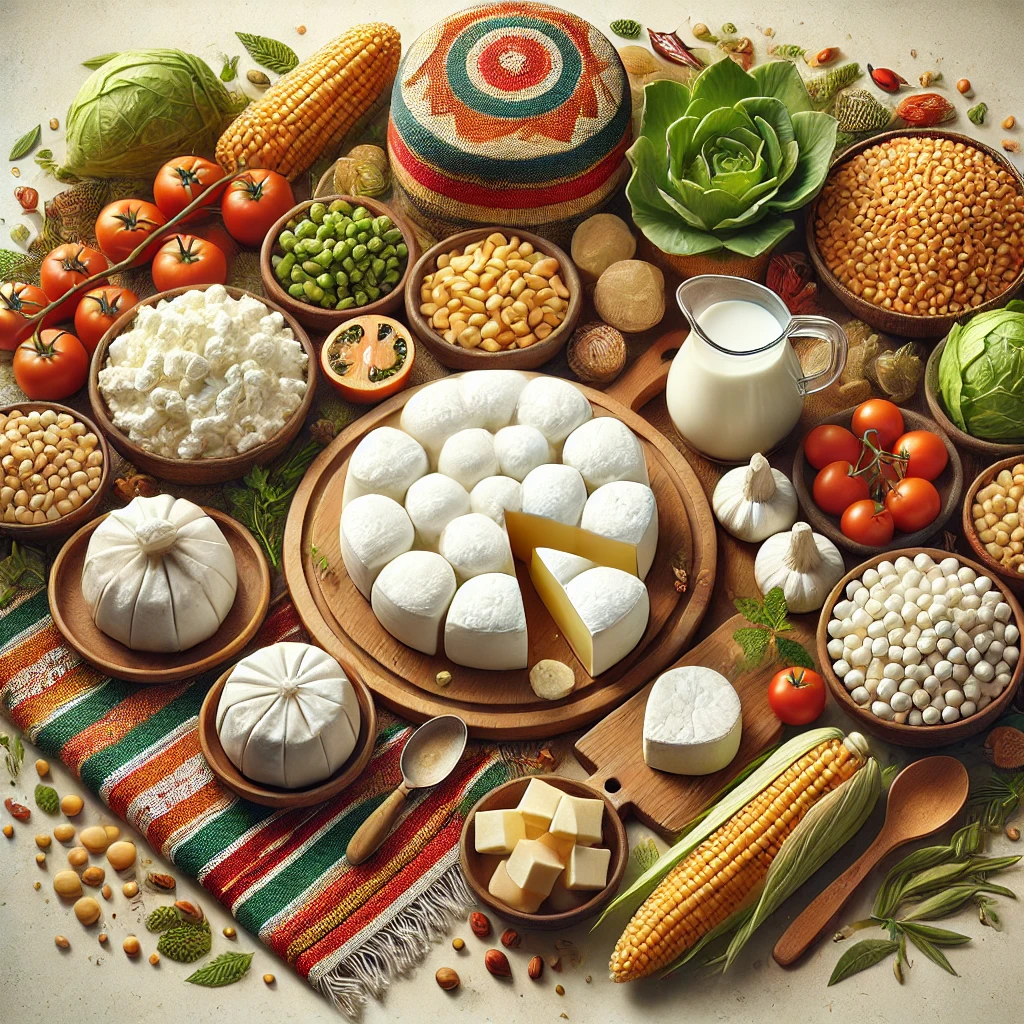
Kenya’s food identity is rooted in pastoral cattle culture, vibrant stews, and grain-based staples—not European-style cheesemaking. Yet as dairy innovation expands across East Africa, Fromage Nyoyo—an emerging Kenyan cheese category—has begun attracting culinary attention. Unlike historic cheeses from the Alps or Mediterranean, Fromage Nyoyo is modern, evolving, and shaped more by Kenyan milk abundance than by aging cellars or brine vats.
Kenya is home to one of Africa’s most productive dairy sectors, with robust cow herds in Rift Valley, Central Highlands, Kiambu, and Nakuru counties. While milk has long been consumed fresh, fermented, or as yogurt (mala), cheese remained an afterthought until global food exchange, tourism demands, and local dairy experimentation opened space for Kenyan cheese identity. Among these efforts, Fromage Nyoyo has become symbolic of a Kenyan-made cheese movement.
🧀 What Is Fromage Nyoyo?
Fromage Nyoyo is a fresh, soft, cow’s milk cheese developed and adapted in modern Kenyan dairy hubs. While not centuries old or culturally anchored like Swiss Gruyère or Italian Fontina, it represents Kenya’s attempt at establishing a local cheese style rooted in:
-
abundant cow’s milk production
-
improving dairy preservation systems
-
domestic market demand for non-imported cheese
Its name blends French cheesemaking terminology (“fromage”) with Kenyan usage, reflecting both aspiration and localization.
Key Characteristics
| Attribute | Description |
|---|---|
| Texture | soft, mild, smooth, slightly crumbly |
| Milk | fresh cow’s milk (highland herds) |
| Flavor | light, creamy, subtly tangy |
| Color | clean white |
| Aging | minimal to none |
| Salt | low to moderate |
The cheese prioritizes freshness over curing and is meant to be enjoyed within days.
🐄 Dairy Roots: Why Nyoyo Exists in Kenya
Kenya has historically used milk primarily as:
-
fresh boiled milk
-
sour milk (mursik among Kalenjin, mala nationwide)
-
butterfat for cooking
-
tea enrichment (chai na maziwa)
Cheese didn’t develop in traditional systems because:
-
fermentation favored drinking, not curd solidifying
-
warm climate limited aging capability
-
pastoral cattle mobility discouraged static dairy infrastructure
Fromage Nyoyo emerges in a context of rapid dairy modernization—cooling facilities, pasteurization, and growing culinary schools.
🌍 Kenyan Regional Production Influence
Rift Valley
-
home to large dairy herds
-
milk rich in fat and hillside grasses
-
ideal source for mild, fresh cheese
Central Kenya (Nyeri, Kiambu)
-
strong dairy cooperatives
-
well-structured collection systems
Nairobi & Hospitality Circuit
-
hotel-driven experimentation
-
demand from international visitors
Fromage Nyoyo’s identity is urban-commercial, not ancient-rural.
🥣 How Fromage Nyoyo Is Made
It mirrors global fresh cheese techniques with Kenyan milk profiles.
Basic Method
-
Fresh cow’s milk is heated
-
Coagulated using:
-
rennet
-
mild acid (like lemon or vinegar)
-
-
Curd is cut and strained
-
Light salting
-
Pressed gently
-
Sold fresh (1–3 days)
No brining, smoking, aging, or rind washing is standard yet.
Why It Works in Kenya
-
rapid production fits high milk supply
-
no long-term storage or cave-aging needed
-
affordable and accessible dairy format
🧂 Flavor Notes & Texture Profile
Flavor
-
delicate, dairy-sweet
-
faint tang from milk acidity
-
less salty than Mediterranean brined cheeses
Texture
-
soft, spreadable if fresh
-
sliceable when pressed slightly longer
-
crumbly edges but moist interior
Compared to other fresh cheeses:
-
more flavorful than paneer
-
less tangy than feta
-
softer than queso blanco
🍽 Culinary Uses in Kenyan Cuisine
Fromage Nyoyo adapts easily to Kenyan food culture.
Everyday Use
| Pairing | Role |
|---|---|
| ugali | soft contrast to maize density |
| chapati | spreadable protein note |
| rice & beans | creamy lift |
| sukuma wiki (greens) | salt-fat balance |
| nyama choma | cooling dairy finish |
In Modern Kenyan Menus
-
grilled vegetable wraps
-
chapati-cheese rolls
-
avocado toast with Nyoyo crumbles
-
fusion pizza toppings
Chefs in Nairobi restaurants use it as a local alternative to mozzarella or ricotta.
🥗 International Fusion
Kenya sits at crossroads of tourism and diaspora trade, so Nyoyo enters:
-
brunch plates
-
mezze platters
-
continental breakfast buffets
-
safari lodges
It performs best as a fresh, creamy accent rather than a dominant feature.
🧊 Storage & Shelf Life
Because it lacks aging, preservation must be strict.
Storage Tips
-
store chilled at low fridge temperature
-
wrap in breathable cheese paper
-
avoid plastic for long periods (moisture buildup)
Shelf Life
| Condition | Duration |
|---|---|
| fresh | 2–3 days |
| firm-pressed | up to 5 days |
🌎 Comparison with Global Fresh Cheeses
| Cheese | Similarity | Difference |
|---|---|---|
| Ricotta | soft & mild | Nyoyo slightly firmer |
| Paneer | sliceable | Nyoyo creamier, lighter |
| Queso Fresco | crumbly white | Nyoyo sweeter milk finish |
| Akkawi | table cheese | Nyoyo less salty |
| Feta | brined white | Nyoyo not tangy or brined |
Nyoyo stands in the low-tang, high-freshness category.
⭐ Final Summary
Fromage Nyoyo is not an ancient cheese—it is a modern Kenyan dairy evolution, embodying local milk abundance and emerging gastronomic creativity. While East African pastoral history prioritized milk drinking over cheese aging, today’s culinary modernization has made space for a cheese that is:
-
fresh
-
accessible
-
mild
-
culturally adaptable
-
proudly Kenyan-made
Nyoyo demonstrates Kenya’s growing confidence in defining its own cheese identity rather than importing Western models.
FAQs — Fromage Nyoyo Kenya
1. Is Fromage Nyoyo a traditional Kenyan cheese?
No, it is a modern, developing cheese born from new dairy systems.
2. What milk is used?
Fresh Kenyan cow’s milk from Rift Valley and Central Highlands dairies.
3. Is it similar to feta?
Only in color. Nyoyo is less salty and not brine-cured.
4. How do you eat it?
With ugali, chapati, sukuma wiki, grilled meats, and fusion brunch dishes.
5. Does it melt?
It softens but does not stretch like mozzarella.