
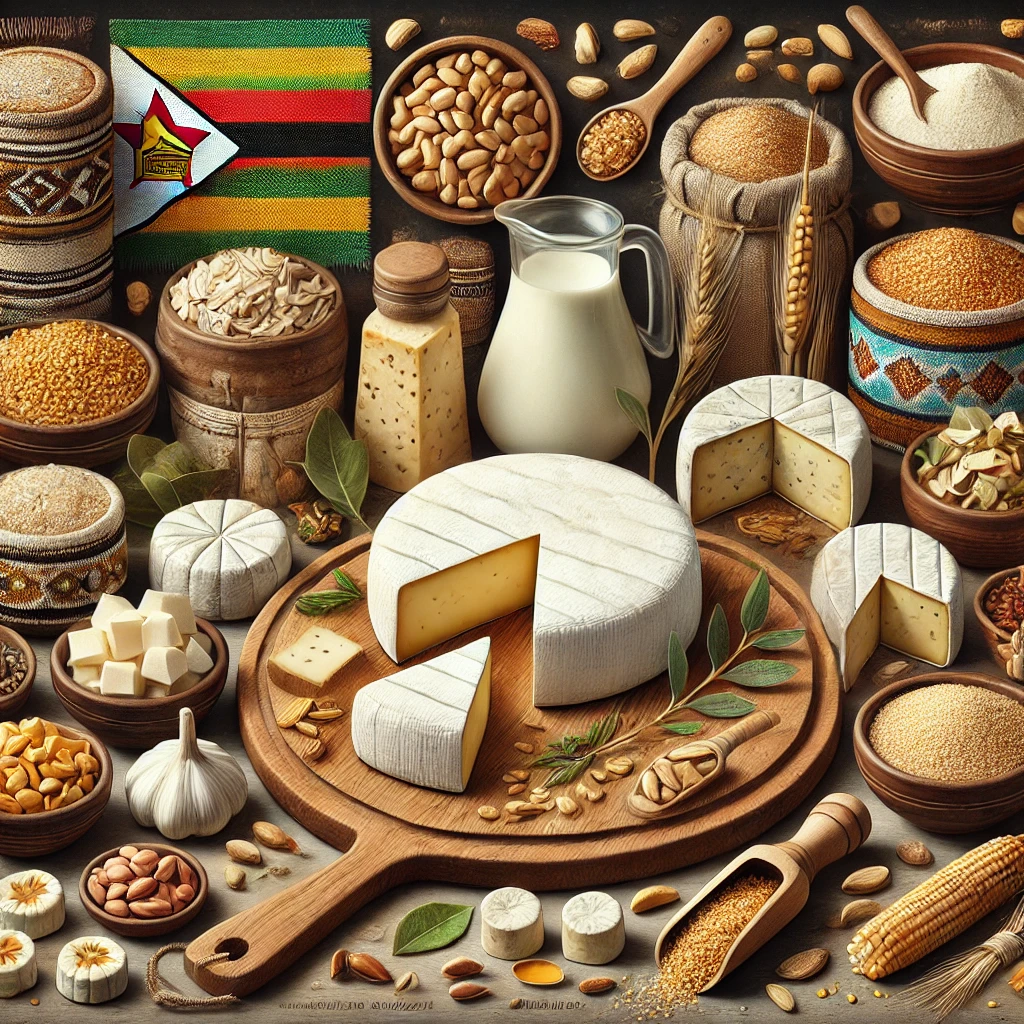
When people think of African cheese traditions, southern Africa is rarely the first region that comes to mind. Yet in Matabeleland, a historic region in western Zimbabwe, dairy production has quietly developed its own identity—shaped by climate, cattle culture, and community-driven farming. Matabeleland cheese is not defined by centuries-old protected names, but by practical varieties, fresh flavors, and local ingenuity.
This in-depth guide explores the cheese varieties, taste profiles, production methods, cultural role, pairings, and future potential of Matabeleland cheese, offering a human-written, SEO-friendly article designed for strong first-page performance.
Understanding Cheese Culture in Matabeleland
Matabeleland is characterized by semi-arid landscapes, resilient livestock breeds, and a long tradition of cattle keeping. Historically, cattle were valued more for milk, meat, and social status than for cheese. As a result, cheesemaking in the region developed later than in Europe and focused on fresh, climate-appropriate dairy products.
Rather than elaborate aging or cave storage, Matabeleland cheeses emphasize:
-
Freshness
-
Simplicity
-
Practical nutrition
-
Local consumption
This makes them well suited to both rural households and emerging small-scale producers.
The Role of Dairy Farming in Matabeleland
Dairy farming in Matabeleland is mostly small to medium scale, often integrated with crop farming. Cows and goats are the primary milk sources, with goats playing an increasingly important role due to their adaptability to dry conditions.
Key Characteristics of Local Dairy Farming
-
Mixed herds (cattle and goats)
-
Seasonal milk availability
-
Emphasis on household and community use
-
Limited mechanization
Cheesemaking often emerges as a way to preserve surplus milk, reduce waste, and add value for local markets.
Matabeleland Cheese Varieties
While there is no single officially named “Matabeleland cheese,” several recognizable styles are produced and consumed across the region.
Fresh Farmer’s Cheese
This is the most common cheese style in Matabeleland.
Characteristics
-
Made from cow’s or goat’s milk
-
Soft and crumbly
-
Mild, slightly tangy taste
-
No aging
Fresh farmer’s cheese is typically consumed within a few days and is used in everyday meals.
Soft Goat Cheese
Goat cheese has gained popularity due to goats’ resilience in dry environments.
Taste and Texture
-
Lightly tangy
-
Soft and creamy
-
Fresh herbal notes influenced by local grazing
This cheese is often eaten plain or lightly salted.
Paneer-Style Heat-Set Cheese
Inspired by global and regional culinary exchange, some producers make heat-set cheeses similar to paneer.
Features
-
Firm, non-melting texture
-
Neutral flavor
-
Ideal for frying or stewing
This style is particularly practical in warm climates.
Cultured Sour Milk Cheese
In some communities, thickened sour milk is drained and lightly pressed to form a simple cheese-like product.
Profile
-
Tangy and refreshing
-
Slightly crumbly
-
High in natural probiotics
This reflects older preservation traditions adapted to modern tastes.
Taste Profile of Matabeleland Cheeses
Matabeleland cheeses are defined by subtlety rather than intensity.
Common Flavor Notes
-
Mild dairy sweetness
-
Gentle acidity
-
Light saltiness
-
Clean, fresh finish
Because these cheeses are usually eaten fresh, they lack the sharpness or pungency associated with aged cheeses.
Texture and Appearance
Texture varies by type but generally includes:
-
Soft to semi-firm consistency
-
Minimal rind development
-
Pale white to creamy color
The focus is on ease of use and digestibility, rather than visual complexity.
Cheese in Matabeleland Cuisine
Cheese plays a supporting role in local food culture rather than acting as a centerpiece.
Common Culinary Uses
-
Crumbled into vegetable dishes
-
Added to omelets or eggs
-
Used as a protein supplement with sadza (maize porridge)
-
Eaten fresh with bread or flatbreads
Its mild nature allows it to blend seamlessly into everyday meals.
Pairings for Matabeleland Cheese
Grains and Staples
-
Sadza
-
Flatbreads
-
Maize-based dishes
Vegetables
-
Leafy greens
-
Tomatoes
-
Onions
Fruits
-
Mango
-
Guava
-
Papaya
Fresh fruits balance the light acidity of local cheeses.
Drinks
-
Herbal teas
-
Light fermented beverages
-
Plain water or milk-based drinks
Nutritional Value and Benefits
Cheese from Matabeleland is valued primarily for nutrition and accessibility.
Nutritional Highlights
-
High-quality protein
-
Calcium and phosphorus
-
Beneficial bacteria (in cultured varieties)
-
Easily digestible fats
These cheeses help diversify diets in both rural and urban communities.
Local Producers and Community Initiatives
Cheesemaking in Matabeleland is driven by:
-
Family farms
-
Women-led cooperatives
-
Agricultural training programs
Production is usually small-scale, with cheese sold:
-
At local markets
-
Directly from farms
-
Through community-supported agriculture
Some NGOs and agricultural organizations support cheesemaking as a tool for income generation and food security.
Challenges Facing Matabeleland Cheesemakers
Despite its potential, the sector faces several challenges.
Climate Constraints
High temperatures limit aging and require careful handling.
Infrastructure
Limited refrigeration and transport can affect shelf life.
Market Access
Imported cheeses are often cheaper and more widely available.
Training
Traditional knowledge exists, but technical cheesemaking skills are still developing.
The Future of Cheese in Matabeleland
The future of Matabeleland cheese lies in adaptation rather than imitation.
Key Growth Areas
-
Goat milk cheeses
-
Fresh and heat-set varieties
-
Farm-to-market sales
-
Integration with local cuisine and tourism
As interest grows in African food traditions and local sourcing, Matabeleland cheeses are gaining recognition for their authenticity and sustainability.
Why Matabeleland Cheese Matters
Matabeleland cheese is not about prestige—it is about resilience, nourishment, and community. It reflects how food traditions evolve to meet environmental and social realities.
For curious food lovers, these cheeses offer something rare: a taste shaped not by global trends, but by place, climate, and daily life.
Frequently Asked Questions (FAQ)
Does Matabeleland have traditional cheese?
Matabeleland does not have ancient named cheeses, but it produces fresh and soft cheeses rooted in local dairy practices.
What types of cheese are common in Matabeleland?
Fresh farmer’s cheese, soft goat cheese, paneer-style heat-set cheese, and cultured sour milk cheese are most common.
What do Matabeleland cheeses taste like?
They are generally mild, lightly tangy, and fresh, with subtle dairy flavors.
Is cheese widely eaten in Matabeleland?
Cheese is eaten in small quantities and used as a supplement to staple foods rather than as a main dish.
Are there local cheese producers in Matabeleland?
Yes. Small farms, cooperatives, and community projects produce cheese mainly for local markets.