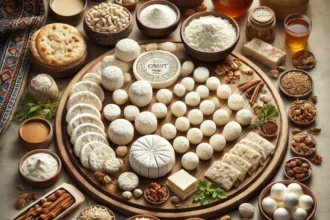

Ricotta cheese is one of the world’s most adaptable and widely loved dairy products. Soft, light, and gently sweet, it appears in cuisines across Europe, the Americas, and beyond—used in both savory and sweet dishes. While often associated with Italian cooking, ricotta’s story is global, shaped by local milk, traditions, and tastes.
Unlike aged cheeses that demand patience and precision, ricotta celebrates freshness and simplicity. It bridges the gap between cheese and dairy ingredient, equally at home in pasta fillings, desserts, spreads, and baked dishes. This global guide explores what ricotta cheese is, how it’s made, its taste and texture, international varieties, culinary uses, pairings, and nutritional value, giving you a complete understanding of this versatile cheese.
What Is Ricotta Cheese?
Ricotta is a fresh whey cheese, traditionally made from the leftover whey produced during the cheesemaking process. Its name comes from the Italian word ricotta, meaning “recooked,” referring to the reheating of whey to extract remaining proteins.
Key characteristics of ricotta include:
-
Soft, moist, grainy texture
-
Mild, milky flavor
-
Bright white color
-
No aging or rind
Although modern versions may be made directly from milk, traditional ricotta remains a whey-based cheese.
How Ricotta Cheese Is Made
Traditional Whey-Based Ricotta
After cheeses like mozzarella or provolone are made, the leftover whey is reheated. When acid is added, the remaining proteins coagulate and rise to the surface, forming soft curds that are skimmed off and drained.
Modern Milk-Based Ricotta
In many countries, ricotta is made directly from cow’s milk, sometimes with added cream, to achieve a richer and more consistent texture. While technically different, this style is widely accepted as ricotta in global markets.
Key Production Features
-
No long aging
-
Minimal processing
-
High moisture content
-
Intended for immediate consumption
This process gives ricotta its signature lightness.
Taste and Texture Profile
Ricotta is prized for its delicate, neutral character:
-
Flavor: Mild, milky, lightly sweet
-
Aroma: Fresh dairy
-
Texture: Soft, slightly grainy, creamy when whipped
-
Finish: Clean and refreshing
Because it is not salty or sharp, ricotta adapts easily to both sweet and savory preparations.
Global Varieties of Ricotta
Ricotta changes subtly across regions depending on milk type and culinary tradition.
Italian Ricotta (Traditional Benchmark)
-
Milk: Whey from cow, sheep, goat, or buffalo milk
-
Texture: Light and slightly grainy
-
Taste: Clean, mildly sweet
Popular subtypes include:
-
Ricotta di vacca (cow’s milk)
-
Ricotta di pecora (sheep’s milk, richer and slightly tangy)
Italy also produces ricotta salata, a salted and dried version used for grating.
American Ricotta
-
Milk: Cow’s milk (often milk-based, not whey)
-
Texture: Creamier and denser
-
Taste: Mild and slightly richer
Commonly used in lasagna, cheesecakes, and baked dishes.
Mediterranean & Middle Eastern Ricotta-Style Cheeses
While not always called ricotta, similar fresh whey cheeses appear across the region, used in pastries, dumplings, and savory pies.
Latin American Adaptations
In countries like Argentina and Brazil, ricotta-style cheeses are widely used in:
-
Filled pasta
-
Baked dishes
-
Light desserts
These versions are typically soft, fresh, and unsalted.
How Ricotta Is Used Around the World
Italian Cuisine
Ricotta is a cornerstone of Italian cooking:
-
Lasagna and baked pasta
-
Ravioli and tortellini fillings
-
Cannoli and desserts
-
Gnocchi and savory pies
Its lightness balances rich sauces and meats.
European Baking
Ricotta appears in:
-
Cheesecakes
-
Tarts
-
Sweet breads
It adds moisture without heaviness.
American Home Cooking
In the U.S., ricotta is popular in:
-
Lasagna
-
Toasts and spreads
-
Breakfast bowls
-
Savory bakes
Whipped ricotta has become especially trendy.
Modern Global Cuisine
Chefs worldwide use ricotta for:
-
Stuffed vegetables
-
Savory pancakes
-
Fusion dishes
-
Healthy protein-rich meals
Its neutrality makes it a creative canvas.
Sweet vs Savory Uses of Ricotta
Sweet Applications
-
Mixed with honey or sugar
-
Combined with fruit and nuts
-
Used in pastries and desserts
Savory Applications
-
Seasoned with herbs, garlic, or lemon
-
Paired with vegetables and grains
-
Used as a filling or topping
Ricotta transitions effortlessly between both worlds.
Best Pairings for Ricotta Cheese
Savory Pairings
-
Olive oil
-
Fresh herbs (basil, thyme, parsley)
-
Spinach and greens
-
Roasted vegetables
-
Pasta and bread
Sweet Pairings
-
Honey
-
Berries
-
Citrus zest
-
Chocolate
-
Nuts
Drink Pairings
-
Light white wines
-
Sparkling wine
-
Herbal teas
These pairings highlight ricotta’s subtle flavor.
Ricotta vs Other Fresh Cheeses
| Feature | Ricotta | Cottage Cheese | Cream Cheese |
|---|---|---|---|
| Texture | Soft, grainy | Chunky | Smooth, dense |
| Flavor | Mild, milky | Tangy | Rich, fatty |
| Fat Content | Low–moderate | Low | High |
| Sweet Use | Excellent | Limited | Moderate |
| Savory Use | Excellent | Good | Good |
Ricotta stands out for balance and versatility.
Nutritional Value of Ricotta Cheese
Ricotta is often considered a lighter cheese option:
-
High-quality protein
-
Calcium and phosphorus
-
Lower fat than many aged cheeses
-
Naturally gluten-free
Sheep’s milk ricotta is richer, while cow’s milk versions are lighter—allowing flexibility based on dietary needs.
Freshness and Storage Tips
Buying Ricotta
-
Choose bright white color
-
Avoid excessive liquid or sour smell
-
Check production date
Storage
-
Keep refrigerated
-
Use within a few days of opening
-
Drain excess liquid before use if needed
Ricotta is best enjoyed fresh.
Ricotta in Modern Health-Focused Diets
Ricotta has gained popularity among:
-
Fitness enthusiasts
-
Home cooks seeking lighter meals
-
Vegetarian and flexitarian diets
Its protein content and mild flavor make it ideal for nutritious, satisfying dishes without heaviness.
Common Myths About Ricotta
-
❌ “Ricotta is just a filler cheese”
-
❌ “Ricotta has no flavor”
In reality, ricotta’s value lies in its subtlety and adaptability, not intensity.
Why Ricotta Cheese Endures Worldwide
Ricotta remains globally popular because it is:
-
Easy to make
-
Easy to use
-
Easy to love
It adapts to cultures, cuisines, and trends without losing its identity.
Conclusion
Ricotta cheese is a global culinary essential—simple yet endlessly versatile. From traditional Italian kitchens to modern fusion restaurants, it plays a vital role in both comfort food and creative cooking.
Its mild taste, soft texture, and nutritional balance allow ricotta to cross borders and meal types with ease. Whether baked into lasagna, whipped onto toast, folded into desserts, or enjoyed fresh with olive oil and herbs, ricotta proves that some of the world’s most beloved foods succeed through simplicity.
FAQ: Ricotta Cheese – A Global Guide
What is ricotta cheese made from?
Traditionally from whey, though modern versions are often made from milk.
Is ricotta cheese healthy?
Yes, it is high in protein and generally lower in fat than aged cheeses.
Can ricotta be used in sweet dishes?
Absolutely. It is widely used in desserts, pastries, and sweet fillings.
How long does ricotta cheese last?
Once opened, it should be consumed within a few days.
Is ricotta cheese the same worldwide?
No. Texture and richness vary depending on milk type and region.